Best mineral sunscreen
Best mineral sunscreens for rosacea
Mineral-only SPF that cleared the screen, with the cast trade-off named on every card.
Top pick
La Roche-Posay Anthelios Mineral Zinc Oxide Sunscreen SPF 50
Calm & Cream
Sun is the trigger most people report. This is the step to get right first.
Last updated
Some links on this page are affiliate links. If you buy through one, we may earn a commission at no extra cost to you - it is what funds the site. It does not change what gets recommended or in what order. Full disclosure.
Sun exposure is one of the triggers people with rosacea report most consistently, and the National Rosacea Society lists sun among its trigger factors alongside wind, cold and heat. Daily sunscreen is the closest thing this category has to a non-negotiable.
It is also the step people abandon first, because sunscreen on reactive skin can sting, can cast gray, and can pill under everything. All three are solvable, and which solution you need depends on why the last one failed.
Mineral filters - zinc oxide and titanium dioxide - sit on the skin surface and are not absorbed to any meaningful degree. Chemical filters absorb UV within the skin and convert it to heat. Neither is inherently unsafe; the reason mineral is the default recommendation here is narrower and more practical.
There is no untinted zinc sunscreen that does not cast. The cast is the filter doing its job - a white mineral powder that reflects and scatters light will be visible on skin, and the higher the load, the more visible. Anyone telling you a high-zinc formula is invisible is describing their own skin tone, not the product.
The stated SPF assumes 2mg per square centimeter of skin, which for a face is roughly a third of a teaspoon - about two finger-lengths of product squeezed onto your index and middle fingers. Nearly everyone applies less than half of that, which means nearly everyone is getting roughly the square root of the SPF on the bottle. If you take one thing from this hub, take that.
Reapply every two hours outdoors, and after swimming or heavy sweating. Indoors away from windows, a single morning application is realistic for most people.
Passes the screen
Flagged
Botanical sunscreens are where this screen bites hardest. Australian Gold's Botanical tinted face SPF 50 is a mineral formula with a genuinely good tint, widely recommended for rosacea - and it contains eucalyptus globulus leaf extract, which carries a perfuming function. That is a flag, so it does not clear our screen. It is a judgment about our criteria, not a claim the product will harm you.
Best mineral sunscreen
Mineral-only SPF that cleared the screen, with the cast trade-off named on every card.
Top pick
La Roche-Posay Anthelios Mineral Zinc Oxide Sunscreen SPF 50
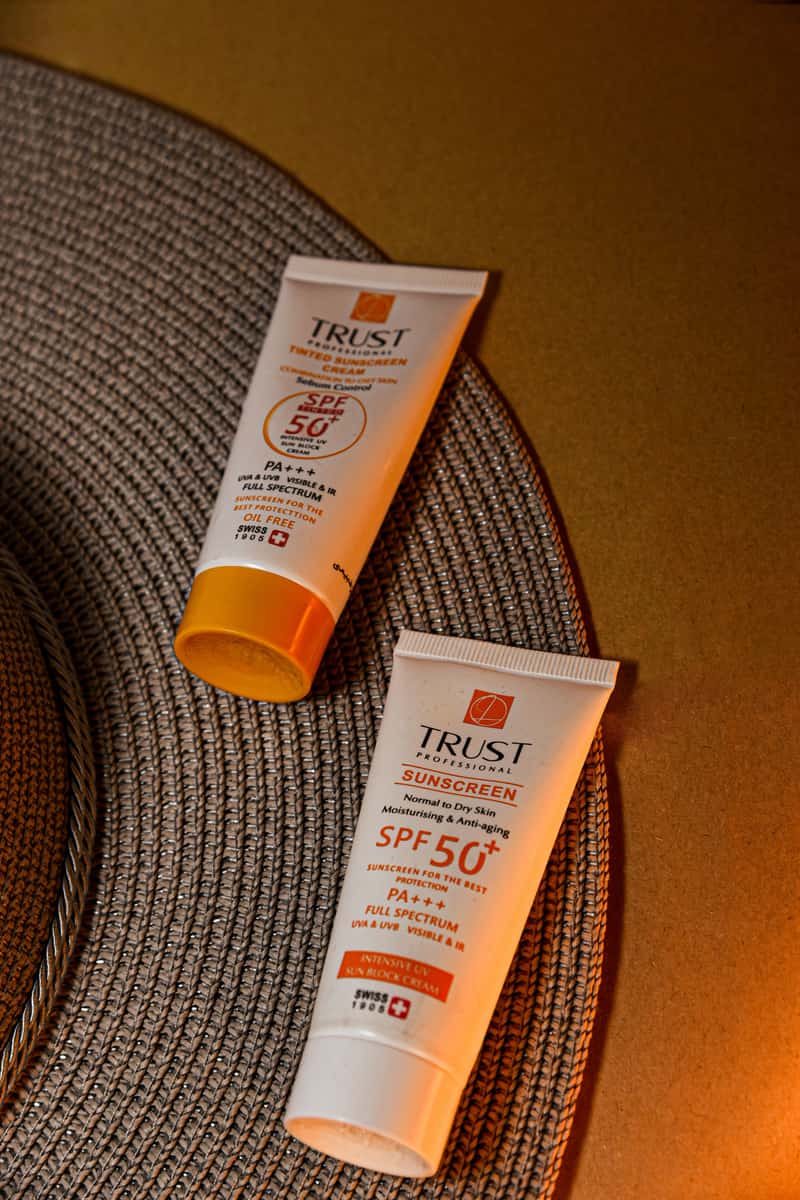
Best tinted sunscreen
Tinted mineral SPF that clears the screen, and the popular botanical one that does not.
Best for no white cast
What actually causes the cast, and the fragrance-free formulas that minimize it.
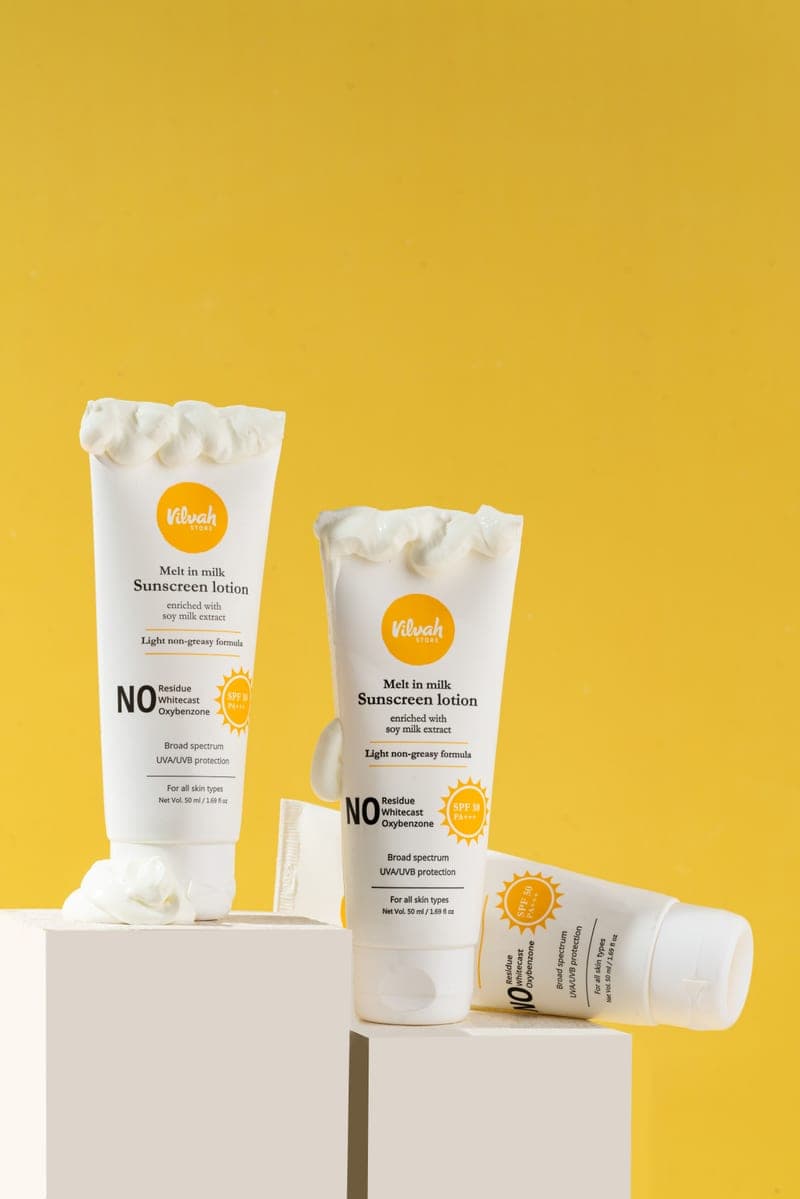
Best fragrance-free sunscreen
SPF that is genuinely fragrance-free, including the botanical ones that are not.
Best without niacinamide
Niacinamide-free SPF for people who flush from it, with the labels checked.
Top pick
La Roche-Posay Anthelios Mineral Zinc Oxide Sunscreen SPF 50
review
The most-recommended rosacea sunscreen, reviewed with the two caveats stated up front.
review
A line-by-line review of the Anthelios mineral fluid, cast and all.
comparison
The honest comparison: what each filter type does, and why mineral is the default here.
guide
Which mineral filter covers more UVA, which casts less, and what to look for on a panel.
verdict
What daily SPF actually changes for rosacea, and what it does not.
Usually, for practical reasons rather than safety ones. Zinc oxide and titanium dioxide are rarely contact irritants and are not absorbed meaningfully, while some chemical filters are recognized causes of photoallergic reactions. If a chemical sunscreen has always been fine on your skin, there is no strong reason to switch away from it.
SPF 30 as a floor, with broad-spectrum UVA coverage. SPF 50 is worth it if you are outdoors for long stretches, but the difference between 30 and 50 is much smaller than the difference between applying enough and applying a thin smear.
UV exposure is a widely reported trigger, so daily protection reduces flare frequency for a lot of people - not just sunburn risk. It is preventative rather than therapeutic: it will not clear existing redness. See does sunscreen help rosacea.
Often yes, and it is one of the better swaps available. A tinted mineral SPF gives you sun protection, visible-light protection from the iron oxides, and enough color correction to reduce the look of redness - in one fragrance-free step instead of three products.
Zinc oxide covers a broader range of UVA, so a zinc-led formula is the stronger choice if you are picking on protection alone. Titanium dioxide casts slightly less and feels lighter. Many formulas use both. There is a full comparison at zinc oxide vs titanium dioxide.