Routines & Flare Care
Best Korean skincare for rosacea
The philosophy fits reactive skin almost perfectly. The fragrance habit does not.
By Michael W. · Last updated
The short answer
Purito Centella Unscented Serum is the best Korean product for rosacea: centella asiatica extract at 49% plus the three isolated centella actives, in a fragrance-free base, where most centella products use a trace. Illiyoon Ceramide Ato Concentrate Cream is the barrier step - a bio-identical ceramide with cholesterol, in a large cheap tube. ETUDE SoonJung pH 6.5 Whip Cleanser is a fourteen-ingredient foaming wash built on glucoside surfactants rather than sulfates. The thing to know before you shop: the Korean aisle is unusually fragranced, and most of what gets recommended for redness fails on that line alone.
Some links on this page are affiliate links. If you buy through one, we may earn a commission at no extra cost to you - it is what funds the site. It does not change what gets recommended or in what order. Full disclosure.
Korean skincare and rosacea should be a better match than they usually turn out to be. The underlying philosophy of K-beauty is barrier-first - the goal is a calm, hydrated, intact surface rather than a stripped and corrected one - and that is precisely the right goal for reactive skin. The category also takes soothing actives seriously in a way the Western drugstore does not: centella asiatica, madecassoside and panthenol are mainstream ingredients in Korea at concentrations that are actually doing something, while a US cream is more likely to carry a trace of aloe and a claim.
And then there is the fragrance. The Korean market treats sensory experience as part of the product, and scent is a large part of that. Working through the K-beauty products most often recommended for redness, the single commonest reason one fails this site's screen is not a harsh active or a bad surfactant - it is parfum, or an aromatic plant extract doing the same job. That is the honest shape of this page: the philosophy fits, the aisle mostly does not, and three products came through.
The screen
Every product on this page had to clear all of the following before it was considered on its merits. This is the exclusion step, and it runs before any recommendation.
- No added fragrance or parfum anywhere in the ingredient list.
- No essential oils, including ones declared under a botanical name.
- No denatured alcohol, witch hazel, menthol, camphor or peppermint.
- No physical scrub particles.
- Sold in the US right now, from a brand that publishes its full ingredient list.
- Every remaining flagged ingredient is named on the product card rather than quietly left out.
Ingredient lists last checked 2026-09-29. Formulas change - if you spot a discrepancy, the published list on the brand's own site wins and we want to know.
Quick picks
Every product here cleared the screen. Tap a row for the full write-up.
| # | Product | Best for | Fragrance | Price |
|---|---|---|---|---|
| 1 | 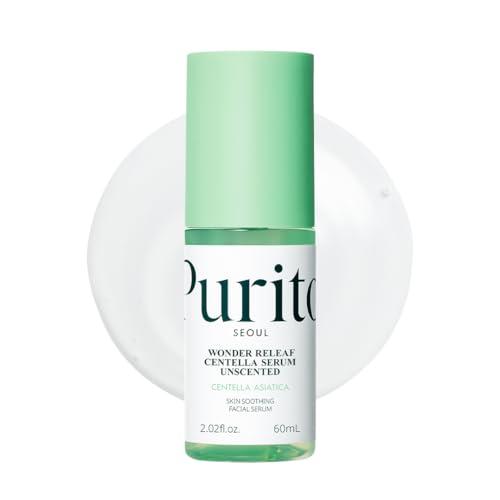 Purito Centella Unscented Serum Centella asiatica extract at 49%, plus the three isolated centella actives, in a fragrance-free base. | Centella at a concentration that is actually doing something | Free | |
| 2 | 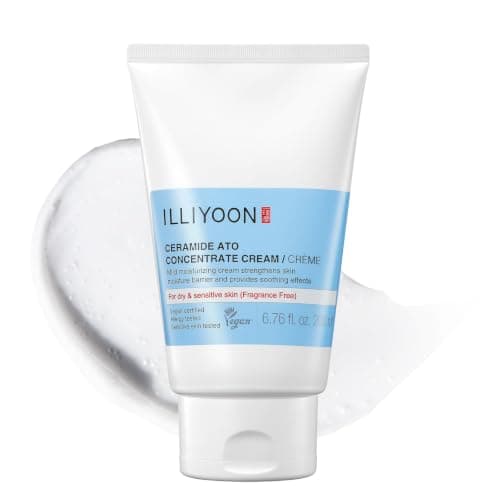 Illiyoon Ceramide Ato Concentrate Cream Fragrance-free and essential-oil-free, with a bio-identical ceramide plus cholesterol - the lipid pairing that actually rebuilds a barrier. | Ceramides and cholesterol in a large, cheap tube | Free | |
| 3 | 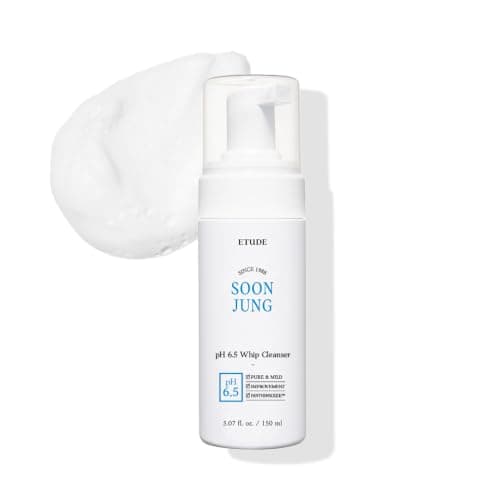 Etude SoonJung pH 6.5 Whip Cleanser Fourteen ingredients, fragrance-free, built on lauryl glucoside and disodium cocoyl glutamate rather than sulfates. | A low-pH foaming cleanser that does not strip | Free |
#ad - Amazon links are affiliate links. Prices come from the Amazon API, are refreshed daily, and disappear rather than go stale - the button shows the current number or it asks you to check.
The K-beauty ingredient glossary, and what each one is worth
| Ingredient | What the marketing says | What is actually supported |
|---|---|---|
| Centella asiatica / cica | Calms redness and repairs skin | The best-supported soothing botanical there is - but only at real concentrations, which most products do not reach |
| Madecassoside | The active fraction of centella | An isolated compound with soothing support; better than a whole-plant extract |
| Panthenol (pro-vitamin B5) | Deep hydration and healing | Genuine humectant and soothing agent, well evidenced on irritated skin |
| Ceramide PC-104 | Rebuilds the moisture barrier | A bio-identical ceramide; works properly when cholesterol is alongside it, as it is here |
| Propolis | Soothing, antibacterial glow | Bee-derived, and a documented contact allergen - a poor bet on reactive skin |
| Snail mucin | Repair and regeneration | Popular and generally well tolerated; the repair claims outrun the evidence |
| Heartleaf / houttuynia cordata | Calming for sensitive skin | A botanical extract with thin evidence; no reason to seek it out |
| Rice and ferment extracts | Brightening and softening | Cosmetic effects; nothing relevant to the mechanisms of rosacea |
Two rows deserve a second look before you shop. Centella is the reason most people with redness end up in the Korean aisle at all, and it is a defensible reason - of the soothing botanicals, it has the most supportive literature. The catch is dose. A product can list centella asiatica extract in position twenty-eight and market itself as a cica cream, and that product is not doing what the research describes. The one pick below that avoids this problem does so by declaring 49%.
Propolis is the row to be actively careful about. It appears constantly in Korean products sold for sensitive and irritated skin, it is bee-derived, and it has a real contact-allergy record. If you have rosacea and you are trying a new category, it is a poor place to take an avoidable risk.
The picks, in order
1. Centella at a concentration that is actually doing something
Purito Centella Unscented Serum
Product photo from Amazon.
Centella asiatica extract at 49%, plus the three isolated centella actives, in a fragrance-free base. Most centella products use a trace amount; this one does not. It also contains niacinamide.
What is in it
- Centella asiatica extract 49%
- Asiaticoside, asiatic acid, madecassic acid
- Ceramide NP
- Niacinamide
Best for
Centella at a concentration that is actually doing something
Strengths
- 49% centella extract plus asiaticoside, asiatic acid and madecassic acid
- Ceramide NP and sodium hyaluronate in the base
- No added fragrance - the 'unscented' in the name is accurate
- Light serum texture
Trade-offs
- Contains niacinamide
- A long ingredient list with several peptides and plant extracts
Who should skip it: If you are in the middle of a flare and stripping back to essentials, a 30-ingredient serum is the wrong move - come back to it when things are calm.
#ad How we are funded - price as of November 18, 2026
Ingredient list read at INCIDecoder - Purito Centella Unscented Serum.
2. Ceramides and cholesterol in a large, cheap tube
Illiyoon Ceramide Ato Concentrate Cream
Product photo from Amazon.
Fragrance-free and essential-oil-free, with a bio-identical ceramide plus cholesterol - the lipid pairing that actually rebuilds a barrier. The trade against the Etude cream is a much longer list that includes four botanical extracts.
What is in it
- Ceramide PC-104 (hydroxypropyl bispalmitamide MEA)
- Cholesterol
- Glycerin
- Panax ginseng root extract
Best for
Ceramides and cholesterol in a large, cheap tube
Strengths
- Ceramide PC-104 with cholesterol, the two lipids a damaged barrier needs most
- No fragrance, masking fragrance or essential oils on the published list
- Silicone-based slip rather than plant butters, so no comedogenicity question
- Sold in a large tube - the cheapest per ounce of the three Korean picks
Trade-offs
- Thirty ingredients, including ginseng root, magnolia flower and perilla seed extracts
- No panthenol, unlike both Etude products
- The silicone content pills under some mineral sunscreens
Who should skip it: If you have reacted to botanical extracts before, the Etude cream has four fewer of them - or step outside the Korean aisle entirely to Avene Tolerance Control.
#ad How we are funded - price as of November 18, 2026
Ingredient list read at INCIDecoder - Illiyoon Ceramide Ato Concentrate Cream.
3. A low-pH foaming cleanser that does not strip
Etude SoonJung pH 6.5 Whip Cleanser
Product photo from Amazon.
Fourteen ingredients, fragrance-free, built on lauryl glucoside and disodium cocoyl glutamate rather than sulfates. It is the rare foaming cleanser we can recommend for rosacea-prone skin, because the foam comes from gentle surfactants rather than from a detergent load.
What is in it
- Lauryl glucoside
- Disodium cocoyl glutamate
- Panthenol
- Madecassoside
Best for
A low-pH foaming cleanser that does not strip
Strengths
- Fourteen ingredients, no fragrance, no essential oils, no sulfates
- Glucoside and amino-acid surfactants - the gentlest foaming system available
- Panthenol and madecassoside left behind after rinsing
- Formulated at pH 6.5, close to skin's own surface pH
Trade-offs
- It does foam, and some rosacea-prone skin does better with no foam at all
- Citric acid is used as the pH adjuster, which a few very reactive people notice
- Import-dependent availability in the US
Who should skip it: If foam of any kind leaves your face tight, use a non-foaming cream cleanser instead - the ranked list is on our cleanser roundups.
#ad How we are funded - price as of November 18, 2026
Ingredient list read at SkinCarisma - Etude House Soon Jung pH 6.5 Whip Cleanser.
What we screened out, and why
These are products you will find recommended elsewhere for this exact search. Each one is excluded here for a specific, checkable reason - not because it is a bad product, but because it does not clear the screen above.
Cica balms and creams with added fragrance
The cica category is the one most often recommended to people with rosacea, and it is also where added fragrance is most common - the color-correcting tiger-grass balms especially. Centella is a good ingredient. It does not buy a pass for parfum sitting on the same list, and on reactive skin the fragrance will outweigh the centella.
Hydrating toners and essences with alcohol denat
A large share of Korean toners use denatured alcohol for the fast-drying, non-sticky finish the category is known for. That finish is dehydration, and it is the opposite of what a compromised barrier needs. The full argument is at alcohol in skincare and rosacea.
Sheet masks
Twenty minutes of occlusion over a serum you did not choose, usually fragranced, usually with a long botanical list, applied to a face that is already reacting. The format is the problem as much as any single formula - you cannot remove one ingredient from a sheet mask.
Peeling gels and exfoliating 'gommage' products
These work by rolling the product and some surface cells off under friction. Mechanical exfoliation over dilated vessels is one of the few things that reliably makes rosacea worse, and the gentle presentation of this category hides that.
Korean sunscreens, as a category, on this page
Not a formula objection - several are excellent, and some are fragrance-free. We could not identify a Korean MINERAL sunscreen that cleared our fragrance screen and is reliably stocked in the US, and mineral filters are this site's default for rosacea. So the sunscreen step here points at best mineral sunscreens for rosacea rather than at a Korean product we cannot stand behind.
The full list of what we flag, what each ingredient is and where the evidence is genuinely mixed lives on ingredients to avoid with rosacea.
How to choose between these three
- 1You want the soothing step that K-beauty is actually good at. Purito Centella Unscented Serum. Centella extract at 49% plus asiaticoside, asiatic acid and madecassoside, with ceramide NP in the base. It contains niacinamide and runs to a long ingredient list, so it is the wrong thing to start mid-flare.
- 2You want the barrier step. Illiyoon Ceramide Ato Concentrate Cream. Ceramide PC-104 with cholesterol, fragrance-free, in a large tube that is the cheapest per ounce of the three. The trade is thirty ingredients including four botanical extracts.
- 3You want a foaming cleanse that does not strip. ETUDE SoonJung pH 6.5 Whip Cleanser. Fourteen ingredients, lauryl glucoside and disodium cocoyl glutamate instead of sulfates, with panthenol and madecassoside. It does foam, which not every rosacea-prone face wants.
Used together those three are a complete routine minus the sunscreen - cleanse, treat, moisturize - which is a far more sensible shape than the ten-step version and is roughly what a Korean dermatologist would be likely to suggest for a reactive face anyway. Two of the three contain niacinamide, which is this site's standing caveat: it helps most people and flushes a minority, and the way to establish which you are is at is niacinamide good for rosacea.
The sunscreen problem, stated plainly
Korean sunscreens have an excellent reputation, and much of it is earned - the textures are genuinely better than the Western equivalents, and the finish is the reason a lot of people wear sunscreen daily who otherwise would not. For rosacea specifically there is a complication, and it is worth being direct about rather than glossing: this site's default for reactive skin is a mineral filter, because avobenzone and octinoxate are the filters most often reported as stinging, and the Korean sunscreens that get recommended for sensitive skin are mostly not mineral-only.
We looked for a Korean mineral sunscreen that was fragrance-free on its published list and reliably stocked in the US, and did not find one we could stand behind. Rather than fill the slot with something that only half fits, the sunscreen step on this page points outside the Korean aisle: the ranked mineral options are at best mineral sunscreens for rosacea, and if the white cast is what has stopped you wearing them, best tinted sunscreens for rosacea solves that specific problem.
If you already wear a Korean chemical sunscreen daily and your skin is fine with it, there is no reason to change on our say-so - a sunscreen you actually wear beats a mineral one you skip. The comparison, with the evidence on both sides, is at mineral vs chemical sunscreen for rosacea.
A three-step Korean routine for rosacea-prone skin
- Morning: water only, or the whip cleanser if your skin feels greasy. A full cleanse in the morning is usually redundant on a face that was cleansed the night before.
- Morning: the Illiyoon cream on damp skin, then mineral sunscreen. Give the cream a full minute before the SPF goes on - the silicone content will pill if you rush it.
- Evening: one gentle cleanse with the whip cleanser, lukewarm water, fingers only. No cloths, no brushes, no peeling gels.
- Evening: the Purito serum, once your skin is dry to the touch. Start twice a week rather than nightly - 49% centella is a real dose and a long list is a lot of new variables at once.
- Evening: the Illiyoon cream over it. The serum is the treatment layer; the cream is what keeps the water in.
- Nothing else for eight weeks. No toner, no essence, no masks, no exfoliation. Add one product at a time after that if you still want to.
The toner and essence steps are the two most people expect to see here, and leaving them out is deliberate rather than an oversight. On a routine that already contains a decent moisturizer, a watery layer that evaporates is the most redundant thing you can add, and the Korean toner aisle is where denatured alcohol and fragrance most often enter a routine that was otherwise careful. The full case is at do you need a toner with rosacea.
How to screen a Korean product yourself
- 1Find the full INCI list, not the 'key ingredients' panel. The marketing panel on a K-beauty box lists the five things the brand wants you to notice. The INCI list is the one that has to be complete.
- 2Search it for parfum and fragrance first. This single check eliminates most of the aisle, including a lot of products marketed for sensitive skin.
- 3Then search for the aromatic plant oils. Lavender, tea tree, citrus peel, eucalyptus, rose and geranium oils all do the work of fragrance and are frequently present in products that technically declare no parfum. The reasoning is at essential oils and rosacea.
- 4Check for alcohol denat in the first five ingredients. Fatty alcohols such as cetearyl alcohol are harmless and commonly confused with it.
- 5Count the botanical extracts. Not a disqualifier, but each one is a variable, and on a face that reacts unpredictably variables are expensive.
- 6Check the centella position if centella is why you are buying it. Near the top or with a declared percentage means something; position twenty-eight does not.
That sequence is the same one this site applies to every product in every aisle, and it transfers - it works on a Korean cica cream, a French pharmacy balm and a US drugstore lotion equally well. The general version, with what each line on a label is legally allowed to mean, is at how to read a skincare label, and the full flagged list is at ingredients to avoid with rosacea.
One practical note on buying. Korean products reach the US through importers as well as through the brands' own channels, which means pack sizes, formula revisions and stock all move around more than they do for a drugstore product. Illiyoon and ETUDE both reformulate periodically. Check the list on the box you actually receive against the one linked on each card below, and if they differ, trust the box.
How we chose
Published ingredient lists read on each brand's own site, on INCIDecoder and on SkinCarisma, with the source linked on every pick, screened for added fragrance, masking fragrance, essential oils and the flagged ingredients on our avoid list. Availability and the exact listing title were confirmed through the Amazon Product API before any product was featured; a fourth Korean cream was dropped from this page at that stage because the live US listing carries a different product name from the ingredient list we verified, and we were not willing to assume the two are the same formula. We do not claim wear-test results we have not run. Prices are pulled from the Amazon API, refreshed daily and stamped with the date they were read. Method at how we choose.
Questions people ask
Is Korean skincare good for rosacea?
The philosophy suits it well - K-beauty is barrier-first and takes soothing actives such as centella and panthenol seriously. The problem is fragrance, which is far more common in the Korean aisle than in the Western sensitive-skin ranges, and which is the commonest reason a recommended product fails a rosacea screen.
What is the best Korean product for rosacea?
Purito Centella Unscented Serum, for the soothing step - 49% centella extract plus the three isolated centella actives, fragrance-free. For the barrier step, Illiyoon Ceramide Ato Concentrate Cream pairs a bio-identical ceramide with cholesterol.
Is cica cream good for rosacea?
Centella is the best-supported soothing botanical, so the ingredient is a reasonable choice - but most cica products use a trace amount, and the color-correcting tiger-grass balms frequently carry added fragrance. Check the position of centella on the list and check for parfum before you buy.
Should I do a 10-step Korean routine if I have rosacea?
No. A long layered routine is the worst structure for skin that reacts unpredictably, because when something goes wrong you have ten suspects. Three products, changed one at a time, will teach you more in two months than ten will in a year.
Are Korean sunscreens okay for rosacea?
Many are well formulated and the textures are genuinely better than the Western equivalents. The caveat for rosacea is that most are not mineral-only, and mineral filters are the safer default here because avobenzone and octinoxate are the filters most often reported as stinging. A sunscreen you actually wear still beats one you skip.
Is snail mucin safe with rosacea?
It is generally well tolerated and the repair claims run ahead of the evidence. It is not on our flagged list. Propolis, which appears alongside it in a lot of Korean soothing products, is a more considered risk - it is a documented contact allergen.