Mineral SPF & Sun Protection
Is zinc oxide sunscreen good for sensitive skin?
Yes, and it is the one filter you could reasonably pick on its own.
By Michael W. · Last updated
The short answer
Yes. Zinc oxide is the gentlest UV filter available for sensitive skin: it sits on the surface rather than absorbing, it is one of only two filters the FDA proposes as generally recognised as safe and effective, and it is the only single filter covering the full UVA range on its own. The caveats are cosmetic rather than safety - white cast, a heavier feel, and the fact that the base around the zinc can still be irritating.
Some links on this page are affiliate links. If you buy through one, we may earn a commission at no extra cost to you - it is what funds the site. It does not change what gets recommended or in what order. Full disclosure.
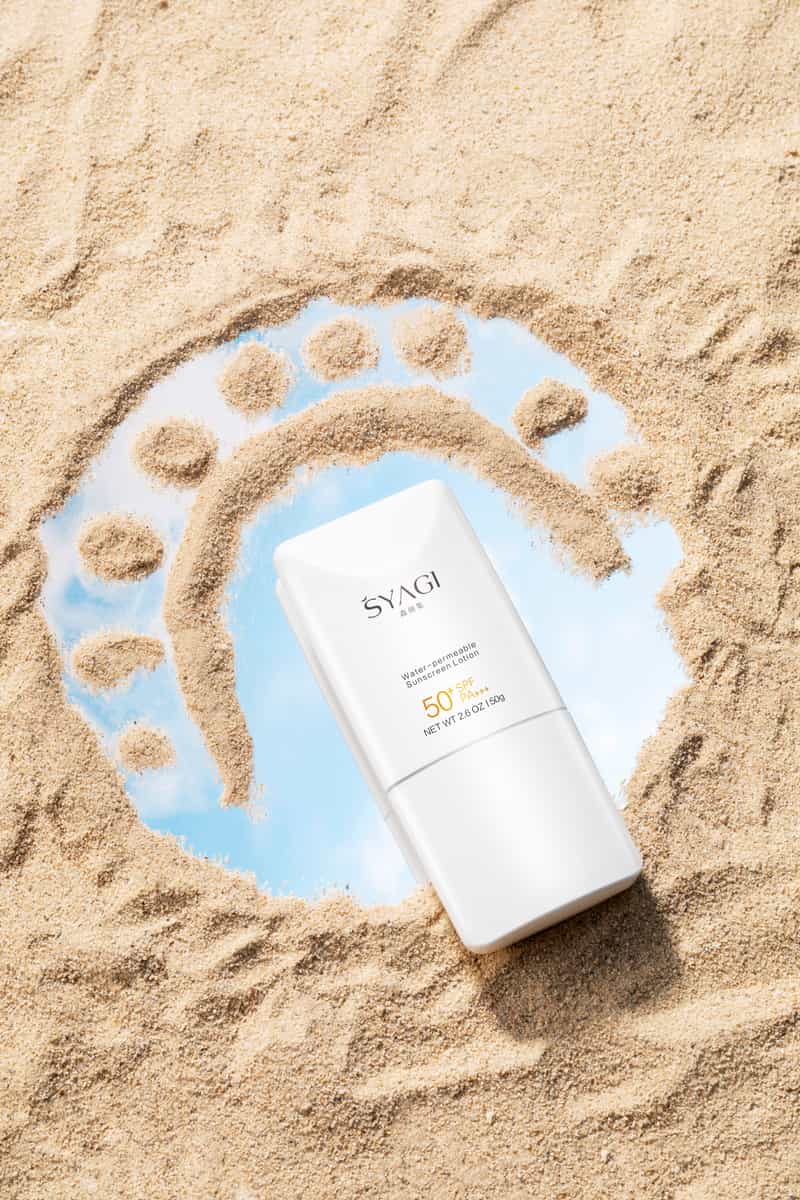
Yes - and it is worth knowing why, because the reason is not the one most articles give. Zinc oxide is good for sensitive skin because of where it sits and what it covers, not because it is natural or mineral. Those words are marketing. The mechanism is the argument.
Zinc oxide is a particulate that stays on the skin surface and scatters and absorbs ultraviolet light there. Chemical filters diffuse into the upper layers of the stratum corneum and convert UV to heat inside your skin. On a face that is inflamed, flushing or barrier-damaged, keeping the filter outside produces fewer stinging responses - and that is the whole of the sensitive-skin case.
The three reasons zinc oxide wins
- 1It stays on the surface. Less absorption means less of the burning sensation people with rosacea report from chemical filters, and it is the reason mineral sunscreen is the standard recommendation for reactive skin.
- 2It is one of two filters the FDA proposes as generally recognised as safe and effective. Zinc oxide and titanium dioxide are in that category; the chemical filters are still under review for additional safety data. That is a regulatory distinction, not a safety alarm.
- 3It covers the whole UVA range alone. Zinc oxide is the only single filter that provides meaningful protection across UVB, short UVA and long UVA1. Titanium dioxide is strong on UVB and weaker at the long UVA end, which is why formulas pair them.
That third point is the one that matters most for persistent facial redness. Long UVA1 wavelengths penetrate deepest and are the band most implicated in the chronic vascular and connective-tissue change that shows up as fixed redness and visible vessels. A filter that covers it on its own is a genuine advantage, and the detail is at zinc oxide vs titanium dioxide.
The three caveats
| Caveat | What it actually is | How to get around it |
|---|---|---|
| White cast | Zinc particles scatter visible light as well as UV | An iron oxide tint, or a low-viscosity fluid applied thinly |
| Heavier feel | A high filter load needs a substantial base | A fluid rather than a cream; two thin layers rather than one thick one |
| The base can still irritate | Zinc is inert; fragrance, alcohol and essential oils are not | Read the full list, not just the Active Ingredients panel |
The third row is the one that catches people out. A sunscreen can be 20% zinc oxide and still be a bad choice for sensitive skin if the base is built on denatured alcohol and lavender oil - which describes a surprising amount of the natural sunscreen shelf. Zinc oxide being gentle does not make the product around it gentle. The things to scan for are at sunscreen ingredients to avoid with rosacea.
How much zinc oxide do you need?
Less than you might assume, and the percentage is not the thing to optimise. A sunscreen with 19.5% zinc oxide can be SPF 30 while one with 11% total mineral filter reaches SPF 50, because the base formulation, the particle dispersion and the film it forms do an enormous amount of the work. The SPF number on the front already accounts for all of that, which is why it is the better figure to shop on.
What the percentage does tell you is roughly how much cast to expect. A high single-filter zinc load will show on most skin tones; a lower combined mineral load in a well-dispersed fluid often will not.
The picks, in order
1. Zinc-only SPF with a moisturizer built in
Vanicream Facial Moisturizer SPF 30
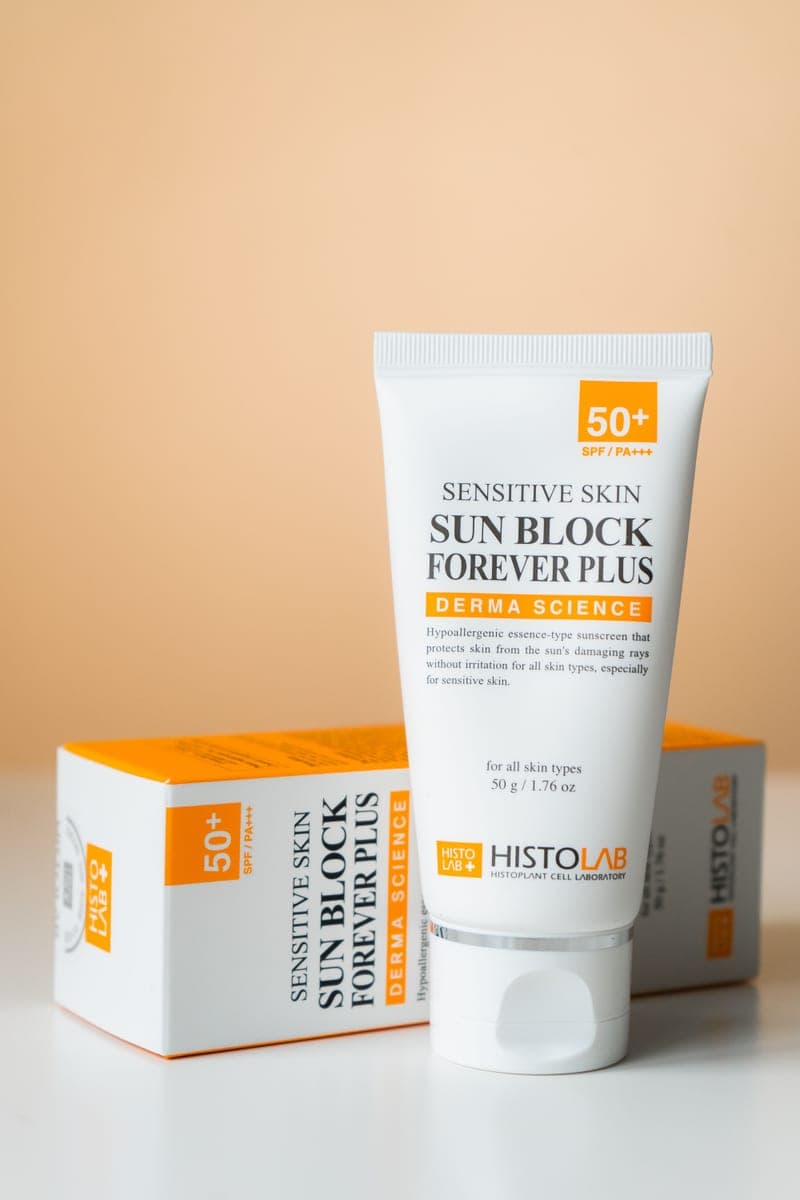
Illustrative photo - not the product.
Zinc oxide at 19.5% - the highest single-filter load here - with five ceramides and squalane in the base. It is a moisturizer and a sunscreen in one step, which is exactly what a short routine needs.
Filters: Zinc oxide 19.5%
What is in it
- Zinc oxide 19.5%
- Ceramides EOP, NG, NP, AS and AP
- Squalane
- Glycerin
Best for
Zinc-only SPF with a moisturizer built in
Strengths
- Zinc oxide only at 19.5% - no titanium dioxide, no chemical filters
- Five ceramides plus squalane, so it moisturizes properly
- No fragrance, masking fragrance, lanolin, parabens or formaldehyde releasers
- Collapses two steps into one
Trade-offs
- SPF 30, not 50 - you need to reapply more attentively
- A high zinc load means a real white cast
Who should skip it: If you are outdoors for hours or want SPF 50, step up to a dedicated high-SPF mineral formula.
Ingredient list read at Vanicream - Mineral Facial Moisturizer with SPF 30.
2. Mineral-only SPF 50 that still spreads
La Roche-Posay Anthelios Mineral Zinc Oxide Sunscreen SPF 50
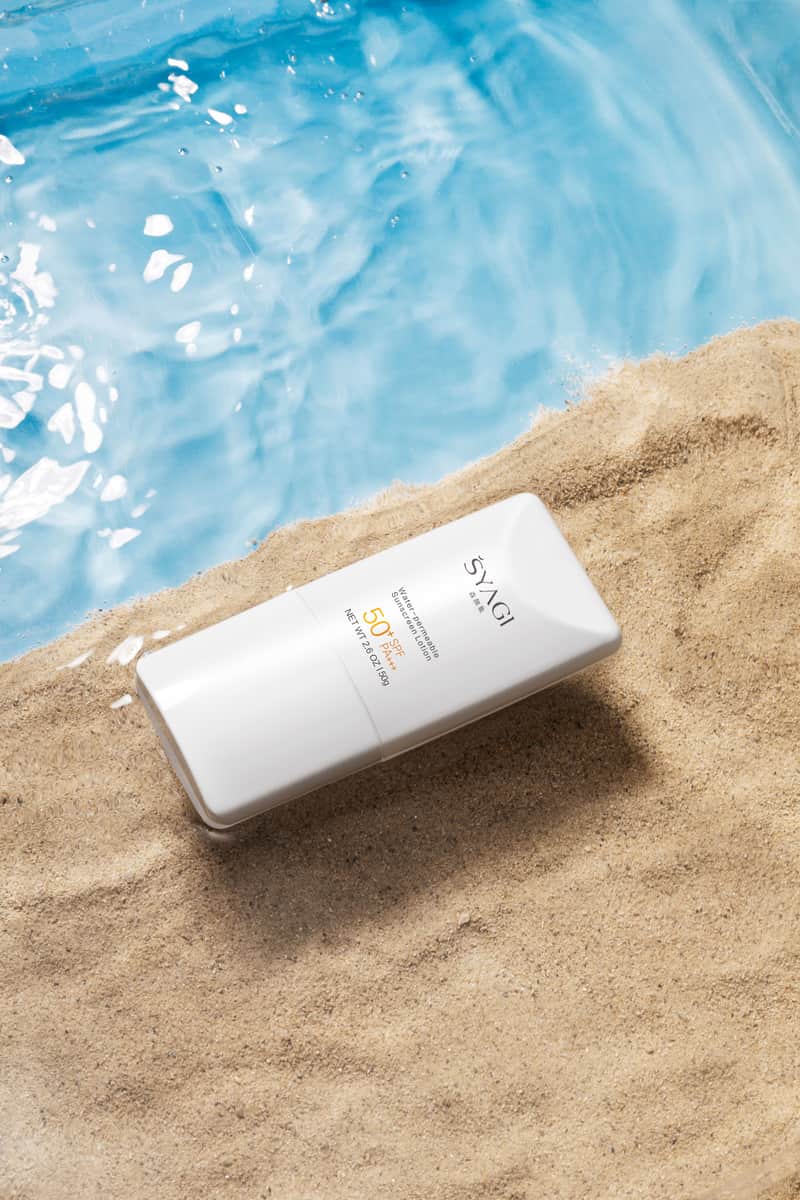
Illustrative photo - not the product.
Mineral-only filters at SPF 50, fragrance-free, in a fluid base that actually spreads instead of dragging. The trade is a visible cast on deeper skin tones, which the tinted version solves.
Filters: Titanium dioxide 6%, zinc oxide 5%
What is in it
- Titanium dioxide 6%
- Zinc oxide 5%
- Dimethicone
Best for
Mineral-only SPF 50 that still spreads
Strengths
- 100% mineral - titanium dioxide 6% and zinc oxide 5%, no chemical filters
- SPF 50 with a genuinely light fluid texture
- No added fragrance
- Layers under makeup without pilling
Trade-offs
- Leaves a white cast on medium and deep skin tones
- The fluid finish is matte - dry skin needs moisturizer under it
Who should skip it: If a white cast is a dealbreaker, go straight to a tinted mineral formula - untinted zinc always casts.
Ingredient list read at INCIDecoder - La Roche-Posay Anthelios Mineral Zinc Oxide Sunscreen SPF 50.
3. High-SPF mineral for long days outside
Blue Lizard Sensitive Mineral Sunscreen SPF 50+
Illustrative photo - not the product.
Mineral-only at SPF 50+, fragrance-free and paraben-free, in a water-resistant base. It is the one to take on a hike rather than the one to wear under makeup.
Filters: Zinc oxide 10%, titanium dioxide 8%
What is in it
- Zinc oxide 10%
- Titanium dioxide 8%
- Tocopheryl acetate
Best for
High-SPF mineral for long days outside
Strengths
- Mineral only - zinc oxide 10% and titanium dioxide 8%
- SPF 50+ with water resistance
- No fragrance, no parabens, no chemical filters
- Large bottle - practical for face and body
Trade-offs
- Thick and noticeably casting
- Contains beeswax, so it is not vegan
Who should skip it: Not the pick for daily wear under makeup - it is too heavy. Use a fluid mineral for that.
Ingredient list read at INCIDecoder - Blue Lizard Sensitive Mineral Sunscreen SPF 50+.
Zinc oxide if you have rosacea specifically
Everything above applies, with one addition: sun is the most consistently reported trigger in the National Rosacea Society's patient surveys, so for rosacea the question is less whether zinc oxide is gentle and more whether you will wear it every day. A mineral sunscreen that stays in the cupboard because of the cast protects nothing, which is why a tinted formula is frequently the right answer even though it is less minimal on paper.
The ranked options are at best zinc oxide sunscreens for sensitive skin, the tinted question is at does tinted sunscreen help rosacea, and the yes-or-no on sunscreen itself is at does sunscreen help rosacea.
The short version
- Zinc oxide is the gentlest filter available for sensitive skin, because it stays on the surface rather than absorbing.
- It is the only single filter covering long UVA, which is the band that matters most for persistent redness.
- Its drawbacks are cosmetic, not safety-related: cast and weight.
- The base matters as much as the filter. Check the full list for fragrance, essential oils and denatured alcohol.
- Non-nano is a finish choice, not a safety one.
How we chose
The regulatory position comes from the FDA's sunscreen monograph work, and the trigger data from the National Rosacea Society's published patient surveys. Product ingredient lists and Active Ingredients panels were read on each brand's own site and on INCIDecoder, with the source linked on every card. No prices are printed because we have no live price feed. Method at how we choose.
Questions people ask
Is zinc oxide sunscreen good for sensitive skin?
Yes. It stays on the skin surface rather than absorbing into it, which produces fewer stinging reactions than chemical filters on inflamed or barrier-damaged skin, and it is one of only two filters the FDA proposes as generally recognised as safe and effective.
Is zinc oxide better than titanium dioxide?
For sensitive and rosacea-prone skin, yes, if you have to choose one. Zinc oxide covers the full UVA range including long UVA1 on its own, while titanium dioxide is stronger on UVB and weaker at the long UVA end. Most good formulas use both.
Does zinc oxide sunscreen clog pores?
Zinc oxide itself does not. The esters used to disperse it in some formulas can feel congesting, so if you clog easily, look for a zinc sunscreen dispersed in silicone rather than in isopropyl palmitate or a similar ester.
Is non-nano zinc oxide safer?
There is no good evidence that it is. The real difference is cosmetic - larger particles scatter more visible light, so non-nano formulas look whiter and feel heavier. Neither size is understood to penetrate intact skin meaningfully.
How much zinc oxide should a sunscreen have?
The percentage matters less than the SPF, because the base formulation and film-forming properties do much of the work. Shop on the SPF number and the broad-spectrum claim; read the percentage as a rough guide to how much white cast to expect.