Ingredients & Triggers
Is shea butter good for rosacea?
An excellent body emollient and a questionable face one. The distinction is the whole answer.
By Michael W. · Last updated
The short answer
Mostly yes on the body, cautiously on the face. Shea butter is a fatty emollient rich in oleic and stearic acid with a very low contact-allergy rate, and it is genuinely good at reducing water loss on dry, cracked skin. The caveats are specific rather than vague: it is mildly comedogenic, which matters on the central face where rosacea papules cluster, and unrefined shea has a nutty smell that some brands cover with fragrance. La Roche-Posay Cicaplast Baume B5 is shea used well in a targeted balm, Lipikar AP+ is the body wash version, and Vanicream Moisturizing Skin Cream is the shea-free alternative.
Some links on this page are affiliate links. If you buy through one, we may earn a commission at no extra cost to you - it is what funds the site. It does not change what gets recommended or in what order. Full disclosure.
Shea butter gets lumped in with the botanical ingredients this site is cautious about, and it does not quite belong there. Butyrospermum parkii butter is a fat, not an extract - it has no essential-oil fraction, no fragrance compounds of the kind that trigger contact dermatitis, and a documented allergy rate low enough that it is used in products aimed at atopic skin. The nut allergy question comes up constantly and the reassuring answer is the accurate one: shea is a tree fruit butter and reactions in nut-allergic people are rare.
So the question is not whether shea butter is an irritant. It is whether a heavy oleic-acid-rich fat is the right thing to put on a rosacea-prone central face, and there the answer genuinely depends on which part of your face and which part of your body you mean.
What shea butter does, and where the caveats sit
| Property | The detail | Relevant to rosacea? |
|---|---|---|
| Emollient and occlusive | High stearic and oleic acid content; reduces transepidermal water loss | Yes - genuinely useful on dry, cracked skin |
| Contact allergy rate | Low in published patch-test series | Reassuring, including for most nut allergies |
| Comedogenicity | Rated mildly comedogenic; oleic acid is the reason | Yes - the main caution on a central face |
| Natural smell | Unrefined shea is distinctly nutty | Indirectly - some brands mask it with parfum |
| Vitamin E and triterpene content | Present; antioxidant activity in assays | Unproven as a rosacea benefit on skin |
| Effect on flushing or vessels | None | No - nothing topical does this |
| Feeds Malassezia | Oleic acid does | Yes, if you are fungal-acne-prone |
Rows three and seven are the two that change a decision. Mild comedogenicity is not a problem on shins or elbows and is a real consideration across a nose, chin and cheeks that already produce papules. And oleic acid is one of the fatty acids Malassezia metabolises, which is why shea-rich creams are a poor fit for anyone whose bumps turn out to be fungal rather than rosacea papules.
Where shea butter belongs in a rosacea routine
- 1On the body, freely. Hands, arms, legs, feet. This is what shea is best at and there is no central-face objection to weigh.
- 2On the face, as a targeted repair layer. Cracked patches, the nostril rim after a flare, a raw area that needs occlusion for two or three days. La Roche-Posay Cicaplast Baume B5 is built for exactly this.
- 3In a body wash, where it offsets what washing removes. Lipikar AP+ carries shea and glycerin for that reason. Note it also contains niacinamide.
- 4Not as your daily all-over face cream, if you get papules. A lighter ceramide cream does the barrier job without the comedogenic question.
- 5Not at all, if your bumps are fungal. Oleic acid feeds Malassezia - choose a silicone or squalane-based cream instead.
- 6Not in an unrefined, fragranced balm. The fragrance, not the shea, is the disqualifier there.
If you want the barrier benefit without the comedogenicity question entirely, the answer is petrolatum rather than a plant butter - it is the most reliable occlusive available, it is non-comedogenic, and it has no fatty-acid profile for anything to metabolise. The case for it, including why it has a worse reputation than it deserves, is at is petroleum jelly good for rosacea.
The screen
Every product on this page had to clear all of the following before it was considered on its merits. This is the exclusion step, and it runs before any recommendation.
- No added fragrance or parfum anywhere in the ingredient list.
- No essential oils, including ones declared under a botanical name.
- No denatured alcohol, witch hazel, menthol, camphor or peppermint.
- No physical scrub particles.
- Sold in the US right now, from a brand that publishes its full ingredient list.
- Every remaining flagged ingredient is named on the product card rather than quietly left out.
Ingredient lists last checked 2026-09-29. Formulas change - if you spot a discrepancy, the published list on the brand's own site wins and we want to know.
Quick picks
Every product here cleared the screen. Tap a row for the full write-up.
| # | Product | Best for | Fragrance | Price |
|---|---|---|---|---|
| 1 | 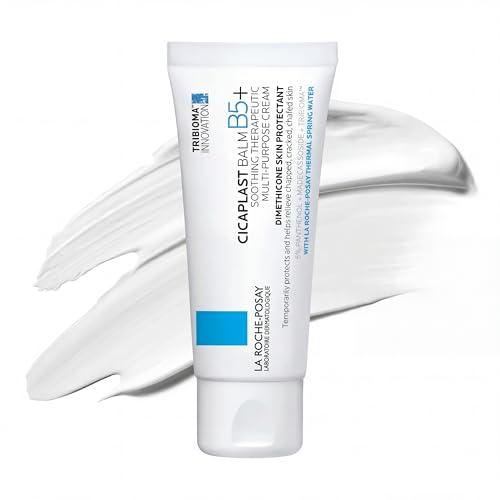 La Roche-Posay Cicaplast Baume B5 A thick fragrance-free balm with panthenol, madecassoside and shea butter. | A rescue balm for the worst two days of a flare | Free | |
| 2 | 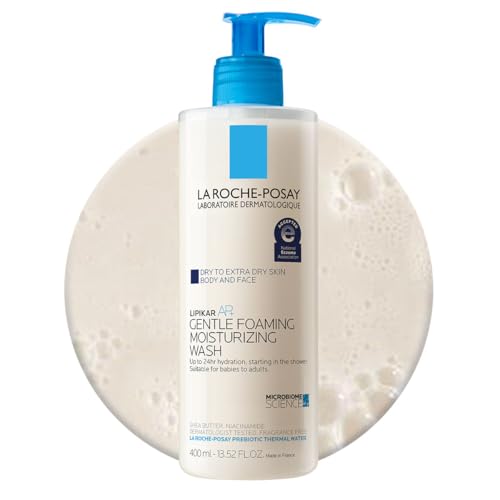 La Roche-Posay Lipikar AP+ Gentle Moisturizing Body Wash Twenty ingredients, no fragrance and no essential oils, with shea butter and glycerin carrying the comfort. | Very dry, eczema-prone body skin | Free | |
| 3 | 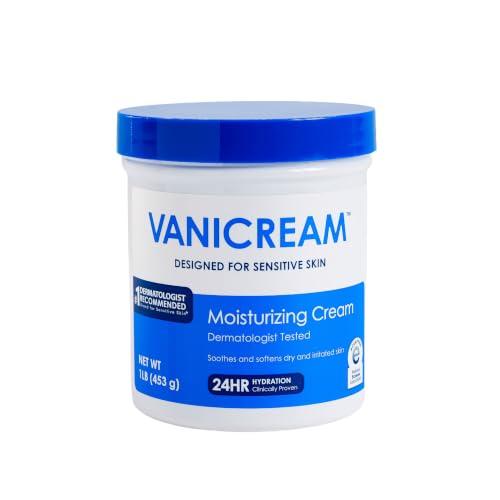 Vanicream Moisturizing Skin Cream Eleven ingredients, petrolatum second on the list, and no fragrance, essential oils or botanicals anywhere. | A barrier rebuild with nothing else in the way | Free |
#ad - Amazon links are affiliate links. Prices come from the Amazon API, are refreshed daily, and disappear rather than go stale - the button shows the current number or it asks you to check.
The picks, in order
1. A rescue balm for the worst two days of a flare
La Roche-Posay Cicaplast Baume B5
Product photo from Amazon.
A thick fragrance-free balm with panthenol, madecassoside and shea butter. This is a short-term repair layer for raw, stinging patches, not a daily moisturizer for the whole face.
What is in it
- Panthenol
- Madecassoside
- Shea butter
- Glycerin
Best for
A rescue balm for the worst two days of a flare
Strengths
- Panthenol and madecassoside - both well studied for irritated skin
- No added fragrance
- Thick enough to act as an overnight occlusive layer
- A small tube lasts a long time in spot use
Trade-offs
- Heavy and slightly tacky - not a daily all-over cream
- Contains chlorhexidine digluconate, which a small number of people react to
Who should skip it: If you want one cream for everyday use, this is not it - it is a targeted repair layer.
#ad How we are funded - price as of November 18, 2026
Ingredient list read at INCIDecoder - La Roche-Posay Cicaplast Baume B5.
2. Very dry, eczema-prone body skin
La Roche-Posay Lipikar AP+ Gentle Moisturizing Body Wash
Product photo from Amazon.
Twenty ingredients, no fragrance and no essential oils, with shea butter and glycerin carrying the comfort. One thing to know before you buy: it contains niacinamide, which helps most people and flushes a minority.
What is in it
- Glycerin
- Shea butter
- Niacinamide
- Vitreoscilla ferment
Best for
Very dry, eczema-prone body skin
Strengths
- No fragrance, masking fragrance or essential oils on the published list
- Shea butter and glycerin, so it cleans without stripping
- The brand states it is accepted by the National Eczema Association
- Foams properly, which makes it easy to use on a whole body
Trade-offs
- Sodium laureth sulfate is third on the list - the harshest surfactant in this lineup
- Contains niacinamide, a genuine flushing trigger for a minority of people with rosacea
- Costs noticeably more per ounce than the drugstore picks
Who should skip it: Anyone who has flushed from niacinamide before. Your own history beats any general recommendation, and there are four niacinamide-free options on this page.
#ad How we are funded - price as of November 18, 2026
Ingredient list read at INCIDecoder - La Roche-Posay Lipikar Wash AP+.
3. A barrier rebuild with nothing else in the way
Vanicream Moisturizing Skin Cream
Product photo from Amazon.
Eleven ingredients, petrolatum second on the list, and no fragrance, essential oils or botanicals anywhere. It is an occlusive that seals water in. It is not elegant and it is not trying to be.
What is in it
- Petrolatum
- Sorbitol
- Glyceryl Stearate
- Simethicone
Best for
A barrier rebuild with nothing else in the way
Strengths
- Eleven ingredients total
- Petrolatum-led - the most reliable occlusive there is
- No fragrance, essential oils or botanical extracts
- Sold in a large tub; cost per ounce is very low
Trade-offs
- Heavy and slightly waxy - it sits on skin rather than sinking in
- No soothing or barrier actives beyond the occlusion itself
Who should skip it: If you wear makeup daily or your skin is oily, this will feel like too much - use it at night only, or pick a lighter cream.
#ad How we are funded - price as of November 18, 2026
Ingredient list read at INCIDecoder - Vanicream Moisturizing Skin Cream.
The shea-free alternatives, and when to choose them
- Vanicream Moisturizing Skin Cream. Eleven ingredients, petrolatum-led, no plant butters or oils at all. The default if you want occlusion without any botanical content.
- Squalane-based creams. Squalane is a single, stable lipid rather than a mixed fat, and it is not comedogenic. The detail is at is squalane good for rosacea.
- Ceramide creams. They repair rather than simply seal, which is a different and often better mechanism - ranked at best ceramide creams for rosacea.
- Dimethicone-based lotions. Inert, non-comedogenic, nothing for Malassezia to feed on.
- Colloidal oatmeal creams. If the appeal of shea was soothing rather than sealing, this is the better-evidenced route.
The honest summary is that shea butter is a good ingredient in the wrong place a lot of the time. Nobody with rosacea needs to avoid it, and very few people need it on their face every day. If you already own a shea-rich cream and your skin is fine with it, there is no reason to stop - the full list of what does warrant avoiding is at ingredients to avoid with rosacea.
How we chose
Published ingredient lists read on each brand's own site and on INCIDecoder, with the source linked on every pick, screened for added fragrance, masking fragrance, essential oils and the flagged ingredients on our avoid list. Statements about shea butter's fatty-acid profile, allergy rate and comedogenicity reflect the published cosmetic-science position; where no rosacea-specific evidence exists for a benefit we say so rather than filling the gap. Prices are pulled from the Amazon API, refreshed daily and stamped with the date they were read. Method at how we choose.
Questions people ask
Is shea butter good for rosacea?
On the body, yes - it is a reliable emollient with a very low allergy rate. On a rosacea-prone face, use it as a targeted repair layer rather than a daily all-over cream, because it is mildly comedogenic in exactly the central-face area where papules cluster.
Can shea butter cause a reaction if I have a nut allergy?
Rarely. Shea is a tree fruit butter rather than a true nut, it contains very little protein, and documented reactions in nut-allergic people are uncommon. If you have a severe allergy, patch test anyway.
Does shea butter clog pores?
It is rated mildly comedogenic, largely because of its oleic acid content. That is a non-issue on arms and legs and a genuine consideration on a nose, chin and cheeks that already produce bumps.
Is raw unrefined shea butter better for sensitive skin?
Not usually. Unrefined shea has a strong nutty smell, and the products that use it often add fragrance to cover it - which is a worse trade for reactive skin than the refined version would have been.
What should I use instead of shea butter on my face?
Petrolatum if you want pure occlusion, squalane if you want a single clean lipid, or a ceramide cream if you want barrier repair rather than sealing. All three avoid the comedogenicity question.