Mineral SPF & Sun Protection
What sunscreen is safe for rosacea?
Four checks, one label, under a minute - and most of the aisle fails on the first one.
By Michael W. · Last updated
The short answer
A sunscreen is safe for rosacea if it passes four checks: mineral filters only in the Active Ingredients panel, no fragrance or essential oils in the ingredient list, no denatured alcohol high in the list, and SPF 30 or above. La Roche-Posay Anthelios Mineral SPF 50, EltaMD UV Physical SPF 41 and CeraVe 100% Mineral SPF 30 all pass, and the method matters more than the three names because formulas change.
Some links on this page are affiliate links. If you buy through one, we may earn a commission at no extra cost to you - it is what funds the site. It does not change what gets recommended or in what order. Full disclosure.
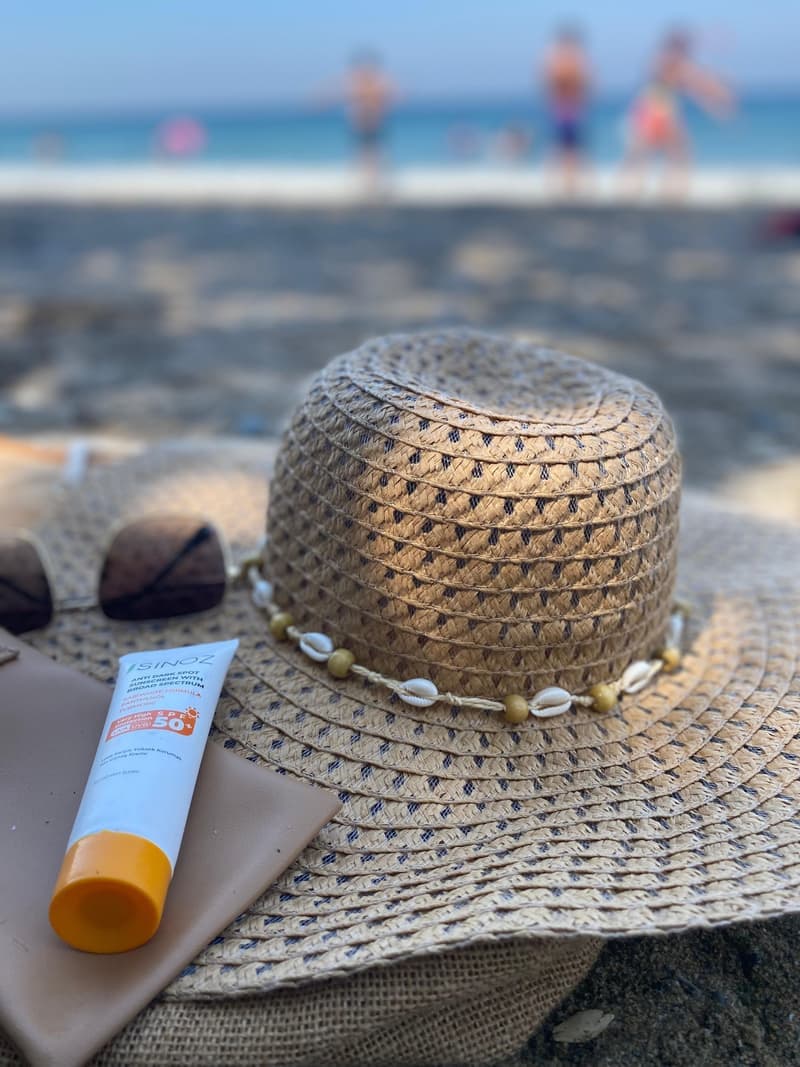
The useful answer to this question is not a product name, it is a procedure - because the specific products change, the formulas get reformulated, and the thing you want is the ability to pick up any bottle and decide. Sunscreen is regulated as an over-the-counter drug in the US, which means every bottle carries a Drug Facts panel that declares exactly what is in it. Four checks against that panel and the ingredient list settle it.
Run them in this order, because the first one eliminates most of the aisle and takes five seconds.
Check 1: mineral filters only
Find the Active Ingredients panel. If the only entries are zinc oxide and titanium dioxide, it is a mineral sunscreen. If you see avobenzone, octinoxate, octisalate, homosalate, octocrylene or oxybenzone, it is chemical or hybrid - whatever the front of the bottle says about minerals.
Mineral filters sit on the skin surface and scatter UV. Chemical filters absorb into the upper layers and convert UV to heat, which is the mechanism behind the stinging a lot of people with rosacea report within a minute of applying one. The full argument, including the case for the better chemical formulas, is at mineral vs chemical sunscreen for rosacea.
Check 2: no fragrance, anywhere
Scan the full ingredient list - not the Active Ingredients panel, the long one underneath - for Fragrance, Parfum, Aroma, and for any botanical name followed by oil. Lavandula angustifolia oil is fragrance. Citrus limon peel oil is fragrance. A product can be labelled fragrance-free and still carry an essential oil declared under its botanical name, which is the single most common way the front and the back of a bottle disagree.
Fragrance is the most common cause of cosmetic contact allergy, and the National Rosacea Society names fragranced cosmetics among the products that may trigger a flare. The difference between the two label words is at fragrance-free vs unscented.
Check 3: no denatured alcohol high in the list
Alcohol Denat., SD Alcohol 40 or Ethanol in the first handful of ingredients means a formula built to evaporate fast and feel weightless. It achieves that by dissolving skin lipids on the way out. This is extremely common in the lightweight Asian and mattifying sunscreens that otherwise look ideal for an oily, flushed face.
Alcohol far down a list, as a solvent in a trace quantity, is a different matter and not worth worrying about. Position is what tells you which one you are looking at - the method for reading it is at how to read a skincare ingredient label.
Check 4: SPF 30 minimum, broad spectrum
SPF 30 is the floor. SPF 50 is better if you are outdoors for long stretches or if persistent facial redness is your main complaint, because the long UVA wavelengths are the ones most involved in chronic vascular change. The words broad spectrum on the front are a regulated claim in the US and mean the product passed a UVA protection test - a high SPF number without them tells you about UVB only.
| Check | Where to look | Pass | Fail |
|---|---|---|---|
| Filters | Active Ingredients panel | Zinc oxide, titanium dioxide only | Avobenzone, octinoxate, oxybenzone |
| Fragrance | Full ingredient list | No fragrance, parfum, aroma or botanical oil | Any of those present |
| Alcohol | First five ingredients | Absent, or far down the list | Alcohol Denat. near the top |
| Strength | Front of pack | SPF 30+ and broad spectrum | Below 30, or no broad-spectrum claim |
The picks, in order
1. Mineral-only SPF 50 that still spreads
La Roche-Posay Anthelios Mineral Zinc Oxide Sunscreen SPF 50
Illustrative photo - not the product.
Mineral-only filters at SPF 50, fragrance-free, in a fluid base that actually spreads instead of dragging. The trade is a visible cast on deeper skin tones, which the tinted version solves.
Filters: Titanium dioxide 6%, zinc oxide 5%
What is in it
- Titanium dioxide 6%
- Zinc oxide 5%
- Dimethicone
Best for
Mineral-only SPF 50 that still spreads
Strengths
- 100% mineral - titanium dioxide 6% and zinc oxide 5%, no chemical filters
- SPF 50 with a genuinely light fluid texture
- No added fragrance
- Layers under makeup without pilling
Trade-offs
- Leaves a white cast on medium and deep skin tones
- The fluid finish is matte - dry skin needs moisturizer under it
Who should skip it: If a white cast is a dealbreaker, go straight to a tinted mineral formula - untinted zinc always casts.
Ingredient list read at INCIDecoder - La Roche-Posay Anthelios Mineral Zinc Oxide Sunscreen SPF 50.
2. Tinted mineral SPF with no niacinamide
EltaMD UV Physical Broad-Spectrum SPF 41
Illustrative photo - not the product.
Mineral-only and tinted with iron oxide, so the cast problem largely disappears. It is also the EltaMD that does not contain niacinamide, which matters if that ingredient flushes you.
Filters: Zinc oxide and titanium dioxide (mineral only)
What is in it
- Zinc oxide
- Titanium dioxide
- Iron oxide (tint)
- Quercetin
Best for
Tinted mineral SPF with no niacinamide
Strengths
- Mineral filters only - no chemical UV absorbers
- Iron oxide tint cancels the white cast and adds visible-light coverage
- No niacinamide, unlike the better-known UV Clear
- No added fragrance
Trade-offs
- One tint shade - it will not match every skin tone
- Thick; it needs working in
Who should skip it: If your skin tone is much deeper or much fairer than the single shade, an untinted mineral plus your own tint will look better.
Ingredient list read at INCIDecoder - EltaMD UV Physical Broad-Spectrum SPF 41.
3. The cheapest mineral-only face SPF that is worth using
CeraVe 100% Mineral Sunscreen SPF 30
Illustrative photo - not the product.
Mineral-only filters and ceramides at a drugstore price. It does contain niacinamide, so it is not the pick if that is your trigger - but for most people it is the best value here.
Filters: Titanium dioxide 6%, zinc oxide 5%
What is in it
- Titanium dioxide 6%
- Zinc oxide 5%
- Ceramides
- Niacinamide
Best for
The cheapest mineral-only face SPF that is worth using
Strengths
- 100% mineral filters - titanium dioxide 6%, zinc oxide 5%
- Ceramides in the base
- No added fragrance
- The lowest price of any mineral SPF on this page
Trade-offs
- Contains niacinamide
- SPF 30 and a noticeable cast
Who should skip it: Skip if niacinamide flushes you - the La Roche-Posay mineral fluid is the closest niacinamide-free swap.
Ingredient list read at INCIDecoder - CeraVe 100% Mineral Sunscreen SPF 30.
Three that pass, and why they are examples rather than answers
The three products above all pass the four checks on their currently published lists. They are here to show what a pass looks like, not to replace the checks - the Cetaphil cleanser elsewhere on this site is a good example of why. It was reformulated and now contains niacinamide, so a recommendation made two years ago would be wrong for anyone who flushes from it today.
If you want the ranked versions rather than the method, best mineral sunscreens for rosacea is the main roundup, and dermatologist-recommended sunscreen for rosacea covers what clinicians tend to reach for.
What safe does not mean
- It does not mean it will not sting. A barrier that is already inflamed can sting at anything for the first few days, including water. Patch test - the method is at how to patch test.
- It does not mean reef-safe, natural or clean. Those are marketing categories, and the natural end of the sunscreen aisle is where the essential oils are.
- It does not mean you can apply less. The tested SPF assumes about two fingers' worth for a face and neck. Most people apply a quarter of that.
- It does not replace shade and a hat. Sun is the most reported rosacea trigger, and a wide brim does more between noon and three than any reapplication schedule.
And if sunscreen is the thing that stings no matter which one you buy, the problem is usually a specific ingredient rather than sunscreen as a category. The list of what to scan for is at sunscreen ingredients to avoid with rosacea.
How we chose
The four checks come from the FDA's own sunscreen labelling requirements, which make the Active Ingredients panel and the broad-spectrum claim verifiable rather than promotional, and from the National Rosacea Society's published guidance on cosmetic triggers. Product lists were read on each brand's own site and on INCIDecoder, with the source linked on every card. Method at how we choose.
Questions people ask
What sunscreen is safe for rosacea?
One that passes four checks: mineral filters only in the Active Ingredients panel, no fragrance or essential oils in the ingredient list, no denatured alcohol high in the list, and SPF 30 or higher with a broad-spectrum claim. La Roche-Posay Anthelios Mineral SPF 50 is a straightforward example.
Is chemical sunscreen bad for rosacea?
Not dangerous, but more likely to sting. Chemical filters absorb into the upper skin layers and convert UV to heat, and on an inflamed face that produces a burning response more often than a mineral filter sitting on the surface does.
Is SPF 30 enough for rosacea?
It is the sensible floor, and SPF 30 applied properly outperforms SPF 50 applied thinly. If you spend long periods outdoors or persistent redness is your main complaint, SPF 50 with a high zinc load is worth the heavier texture.
Can I trust a sunscreen labelled for sensitive skin?
Only as a starting point. Sensitive skin on the front is a positioning claim with no regulatory definition behind it, and plenty of products carrying it contain chemical filters, fragrance or both. The Drug Facts panel settles it.
Why does every sunscreen sting my face?
Usually one of three things: chemical filters, denatured alcohol high in the formula, or an essential oil. It can also be a barrier that is damaged enough to sting at anything, in which case settle the barrier for two weeks with a bland moisturizer first and then retry.