Mineral SPF & Sun Protection
Does tinted sunscreen help rosacea?
Yes, and for two different reasons that get confused with each other.
By Michael W. · Last updated
The short answer
Yes, on two counts. Cosmetically the tint cancels the white cast of a mineral filter and visually neutralises some redness, which is the reason most people buy it. Separately, the iron oxides that create the tint absorb visible light, and visible light is a plausible contributor to facial redness that ordinary sunscreen filters do not block at all.
Some links on this page are affiliate links. If you buy through one, we may earn a commission at no extra cost to you - it is what funds the site. It does not change what gets recommended or in what order. Full disclosure.
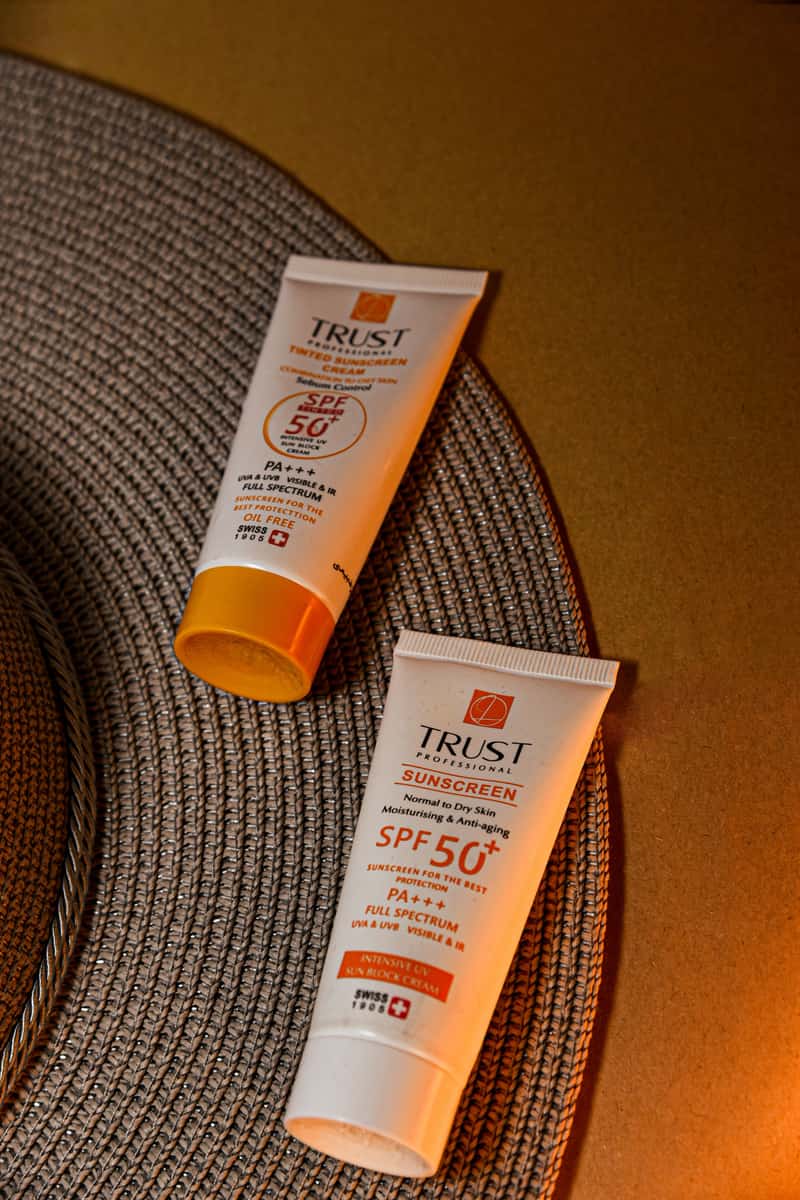
There are two completely different claims hiding inside this question, and most answers only cover the first. The first is cosmetic: an untinted mineral sunscreen leaves a grey-white film on skin, and the tint cancels it. The second is not cosmetic at all: the iron oxides used to create that tint absorb visible light, which conventional UV filters do not meaningfully block.
For rosacea, both matter, and they matter for different people. If your complaint is that mineral sunscreen makes you look ashen on top of red, the tint solves it today. If your interest is whether tinted sunscreen does something a non-tinted one cannot, the iron oxide answer is the one to read.
What the tint is made of
The tint in a mineral sunscreen is almost always iron oxides - the same pigments used in foundation, listed as iron oxides or CI 77491, CI 77492 and CI 77499. They are inert mineral pigments with a long cosmetic history and no fragrance. On an ingredient screen like ours they are unremarkable, which is worth saying because tinted products are sometimes assumed to be riskier than untinted ones. They are not, by default.
| What it does | Untinted mineral SPF | Tinted mineral SPF |
|---|---|---|
| Blocks UVB | Yes | Yes |
| Blocks UVA | Yes | Yes |
| Absorbs visible light | Barely | Yes - this is what iron oxides add |
| White cast | Yes, always, at any zinc load | Largely cancelled |
| Visually evens redness | No - usually makes it look worse | Yes, noticeably |
| Shade matching | Not an issue | An issue - most come in one or two shades |
The visible-light part, stated carefully
Visible light - the part of sunlight you can see - is increasingly discussed as a contributor to pigmentation and to facial redness, and iron oxides are the ingredient class that does something about it. This is an active area rather than a settled one, and we are not going to overstate it. What we will say is that it is the only mechanism by which a tinted sunscreen could protect better than an untinted one with identical filters, and it is the reason the tint is not purely a cosmetic choice.
What a tint definitely does not do is treat rosacea. It covers redness while you are wearing it and the redness is unchanged underneath. If you want the thing that reduces how often you flare, that is daily protection in general - see does sunscreen help rosacea - plus working through your own trigger list.
The screen
Every product on this page had to clear all of the following before it was considered on its merits. This is the exclusion step, and it runs before any recommendation.
- No added fragrance or parfum anywhere in the ingredient list.
- No essential oils, including ones declared under a botanical name.
- No denatured alcohol, witch hazel, menthol, camphor or peppermint.
- No physical scrub particles.
- Sold in the US right now, from a brand that publishes its full ingredient list.
- Every remaining flagged ingredient is named on the product card rather than quietly left out.
Ingredient lists last checked 2026-09-29. Formulas change - if you spot a discrepancy, the published list on the brand's own site wins and we want to know.
Quick picks
Every product here cleared the screen. Tap a row for the full write-up.
| # | Product | Best for | Fragrance | Price |
|---|---|---|---|---|
| 1 | EltaMD UV Physical Broad-Spectrum SPF 41 Mineral-only and tinted with iron oxide, so the cast problem largely disappears. | Tinted mineral SPF with no niacinamide | Free | |
| 2 | 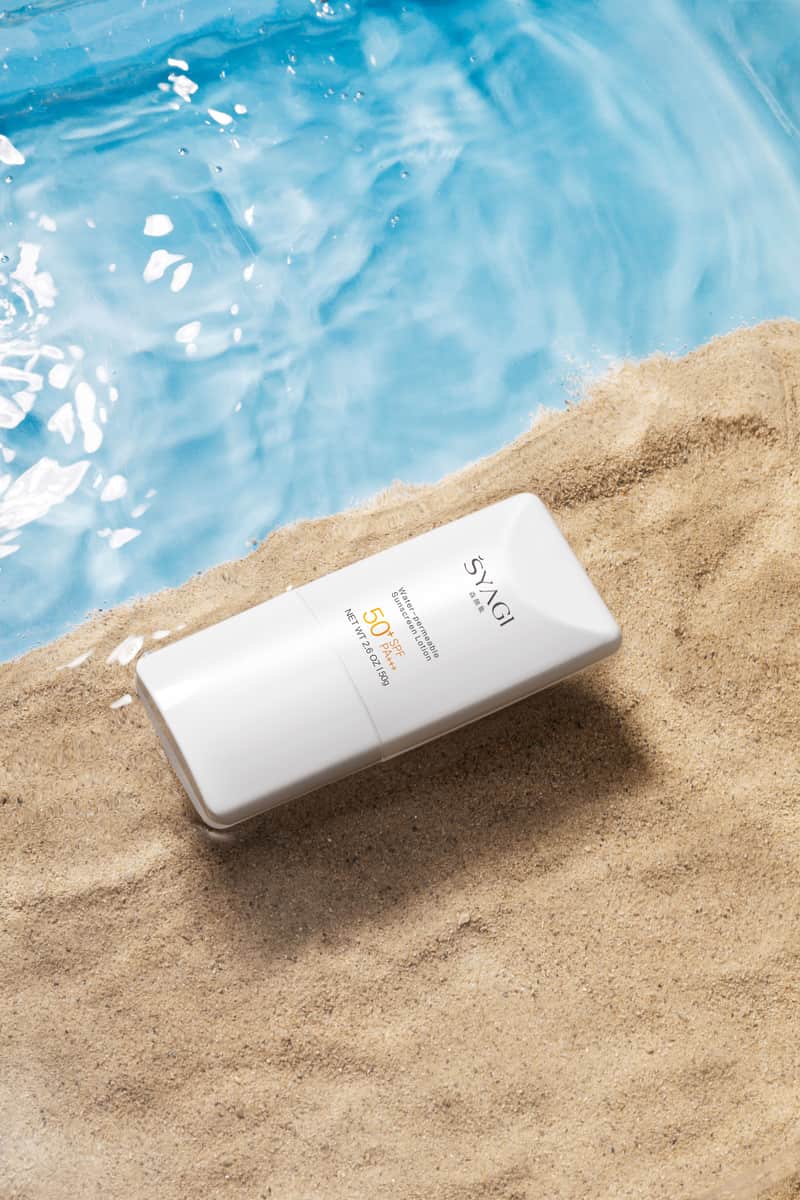 La Roche-Posay Anthelios Mineral Zinc Oxide Sunscreen SPF 50 Mineral-only filters at SPF 50, fragrance-free, in a fluid base that actually spreads instead of dragging. | Mineral-only SPF 50 that still spreads | Free | |
| 3 | 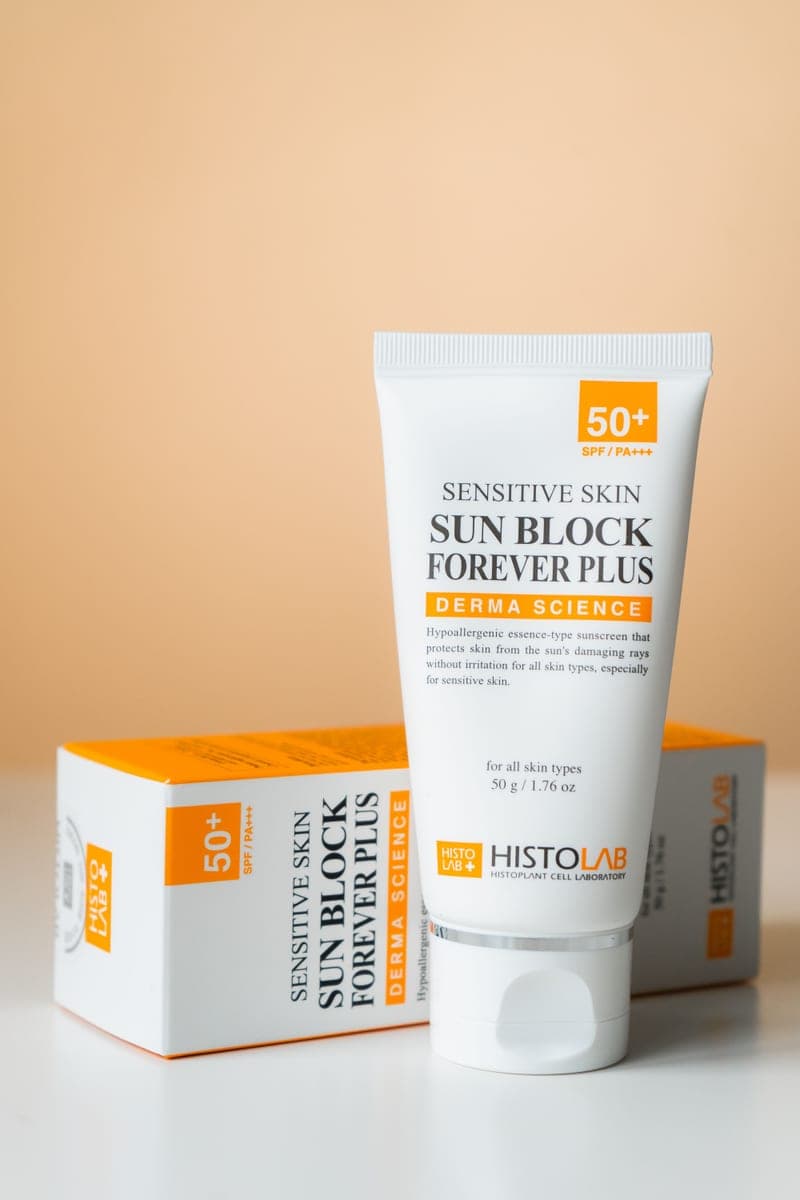 Vanicream Facial Moisturizer SPF 30 Zinc oxide at 19. | Zinc-only SPF with a moisturizer built in | Free |
#ad - Amazon links are affiliate links. We do not publish prices, because we have no live price feed and will not print a number we cannot verify.
The shade problem
Tinted mineral sunscreens are usually sold in one shade, occasionally two or three. One shade cannot match every skin tone, and a tint that is too dark or too orange looks worse than a white cast does. This is the single most common reason people abandon a tinted sunscreen, and it is worth knowing before you buy rather than after.
- If a single-shade tint matches you reasonably, a tinted mineral is the easiest answer in this whole category.
- If it does not, use an untinted mineral and put your own foundation or tinted moisturizer over the top. You still get the iron oxides, from the makeup.
- If you want the deepest coverage, a green-tinted primer under a neutral tint cancels red more effectively than a skin-tone tint alone.
- Whatever you choose, apply the sunscreen first and the colour second. Mixing a tint into your sunscreen in your palm thins the film.
The picks, in order
1. Tinted mineral SPF with no niacinamide
EltaMD UV Physical Broad-Spectrum SPF 41
Illustrative photo - not the product.
Mineral-only and tinted with iron oxide, so the cast problem largely disappears. It is also the EltaMD that does not contain niacinamide, which matters if that ingredient flushes you.
Filters: Zinc oxide and titanium dioxide (mineral only)
What is in it
- Zinc oxide
- Titanium dioxide
- Iron oxide (tint)
- Quercetin
Best for
Tinted mineral SPF with no niacinamide
Strengths
- Mineral filters only - no chemical UV absorbers
- Iron oxide tint cancels the white cast and adds visible-light coverage
- No niacinamide, unlike the better-known UV Clear
- No added fragrance
Trade-offs
- One tint shade - it will not match every skin tone
- Thick; it needs working in
Who should skip it: If your skin tone is much deeper or much fairer than the single shade, an untinted mineral plus your own tint will look better.
Ingredient list read at INCIDecoder - EltaMD UV Physical Broad-Spectrum SPF 41.
2. Mineral-only SPF 50 that still spreads
La Roche-Posay Anthelios Mineral Zinc Oxide Sunscreen SPF 50
Illustrative photo - not the product.
Mineral-only filters at SPF 50, fragrance-free, in a fluid base that actually spreads instead of dragging. The trade is a visible cast on deeper skin tones, which the tinted version solves.
Filters: Titanium dioxide 6%, zinc oxide 5%
What is in it
- Titanium dioxide 6%
- Zinc oxide 5%
- Dimethicone
Best for
Mineral-only SPF 50 that still spreads
Strengths
- 100% mineral - titanium dioxide 6% and zinc oxide 5%, no chemical filters
- SPF 50 with a genuinely light fluid texture
- No added fragrance
- Layers under makeup without pilling
Trade-offs
- Leaves a white cast on medium and deep skin tones
- The fluid finish is matte - dry skin needs moisturizer under it
Who should skip it: If a white cast is a dealbreaker, go straight to a tinted mineral formula - untinted zinc always casts.
Ingredient list read at INCIDecoder - La Roche-Posay Anthelios Mineral Zinc Oxide Sunscreen SPF 50.
3. Zinc-only SPF with a moisturizer built in
Vanicream Facial Moisturizer SPF 30
Illustrative photo - not the product.
Zinc oxide at 19.5% - the highest single-filter load here - with five ceramides and squalane in the base. It is a moisturizer and a sunscreen in one step, which is exactly what a short routine needs.
Filters: Zinc oxide 19.5%
What is in it
- Zinc oxide 19.5%
- Ceramides EOP, NG, NP, AS and AP
- Squalane
- Glycerin
Best for
Zinc-only SPF with a moisturizer built in
Strengths
- Zinc oxide only at 19.5% - no titanium dioxide, no chemical filters
- Five ceramides plus squalane, so it moisturizes properly
- No fragrance, masking fragrance, lanolin, parabens or formaldehyde releasers
- Collapses two steps into one
Trade-offs
- SPF 30, not 50 - you need to reapply more attentively
- A high zinc load means a real white cast
Who should skip it: If you are outdoors for hours or want SPF 50, step up to a dedicated high-SPF mineral formula.
Ingredient list read at Vanicream - Mineral Facial Moisturizer with SPF 30.
Why these three
EltaMD UV Physical is the tinted pick: mineral-only, iron oxide tint, and the EltaMD formula that does not contain niacinamide. The other two are the untinted bases worth wearing under your own colour - La Roche-Posay Anthelios Mineral for its texture and Vanicream Facial Moisturizer SPF 30 for its zinc-only filter and short list. A wider set of tinted options is at best tinted sunscreens for rosacea.
Taking it off
Iron oxides plus a mineral filter is a genuinely tenacious film and it needs more than water. A fragrance-free cleansing balm first, then a gentle cleanser - the options are at best cleansing balms for sensitive skin. Scrubbing tint off a rosacea-prone face with a washcloth undoes more than the sunscreen achieved.
Questions people ask
Does tinted sunscreen help rosacea?
Yes, in two ways. The tint cancels the white cast of a mineral filter and visually neutralises some redness while you wear it, and the iron oxides that create the tint absorb visible light, which standard UV filters do not block.
Is tinted sunscreen better than untinted for redness?
For appearance, clearly. For protection, slightly - the iron oxides add visible-light absorption that an untinted formula with the same filters does not have. Both block UVA and UVB equally well.
Are iron oxides safe for rosacea-prone skin?
They are inert mineral pigments with no fragrance and a long cosmetic history, and they are unremarkable on an ingredient screen. Tinted products are not inherently riskier than untinted ones.
What if the tint does not match my skin tone?
Use an untinted mineral sunscreen and apply your own foundation or tinted moisturizer over it. You still get the iron oxides, just from the makeup rather than the sunscreen, and the match will be better.
Does tinted sunscreen treat rosacea?
No. It covers redness while you wear it and the skin underneath is unchanged. What reduces flare frequency is daily sun protection over months, alongside identifying your own triggers.