Ingredients & Triggers
Is petroleum jelly good for rosacea?
Yes, and it is close to the most inert thing you can put on an angry face.
By Michael W. · Last updated
The short answer
Yes. Petrolatum is the most effective occlusive in cosmetics - it cuts water loss through the skin surface by around 98 percent - and it is one of the most inert ingredients available, with almost no allergy history. It does nothing about flushing, vessels or papules, and it supplies no barrier lipids, which is why a petrolatum-led cream usually beats straight ointment for daily use.
Some links on this page are affiliate links. If you buy through one, we may earn a commission at no extra cost to you - it is what funds the site. It does not change what gets recommended or in what order. Full disclosure.
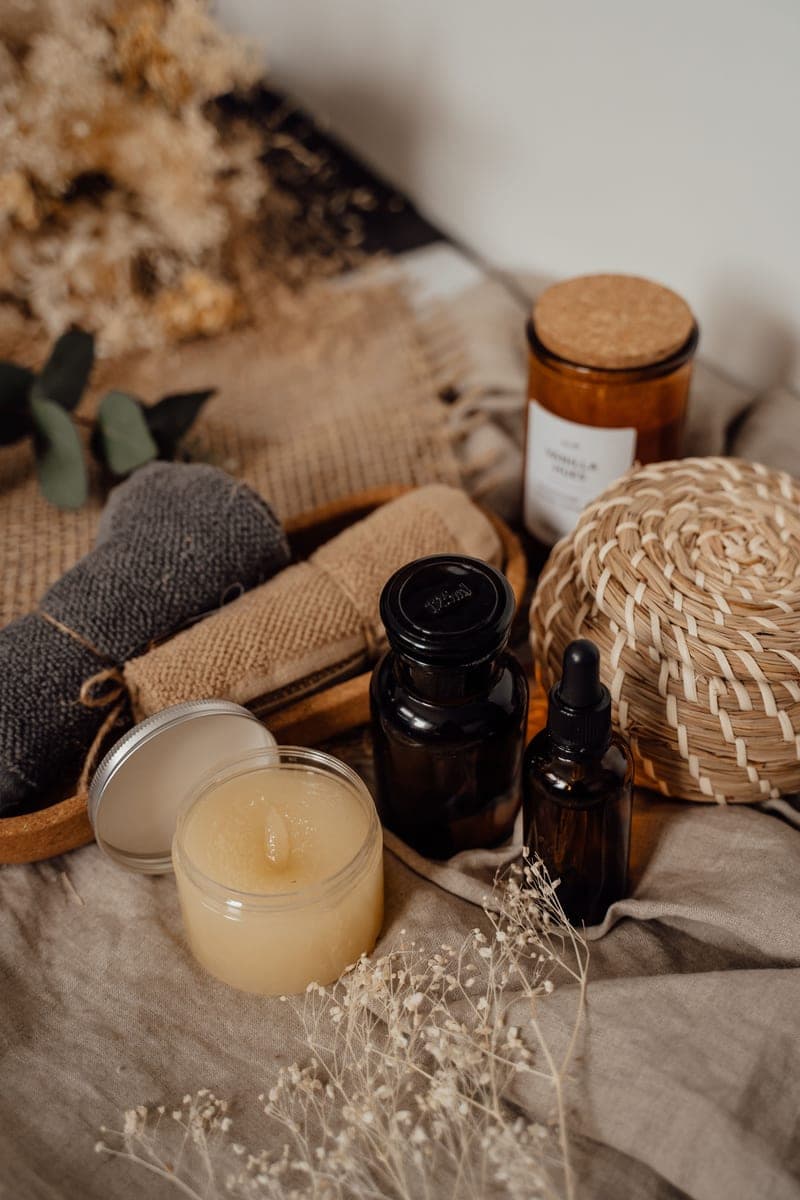
Yes, and it is one of the few genuinely uncontroversial answers on this site. Petrolatum reduces transepidermal water loss - the water evaporating out through your skin surface - by roughly 98 percent, which is far more than any other emollient in common use. It is also close to inert: it has essentially no contact-allergy history, no fragrance, no botanical extract and nothing that metabolises on skin.
For a condition where a damaged barrier drives a great deal of the stinging, flaking and persistent background redness, that combination is hard to beat. The honest caveats are about what it does not do, not about safety.
What petrolatum does
- Stops water leaving. It forms a continuous hydrophobic film across the skin surface. Water that would have evaporated stays in the upper layers instead, and hydrated skin is less reactive skin.
- Gives the barrier time to rebuild. Reducing water loss lets the enzymatic machinery that assembles the lipid matrix work in conditions it can actually work in.
- Adds almost no variables. Purified cosmetic petrolatum is a single hydrocarbon mixture. There is nothing in it to be allergic to, which is why it turns up in post-procedure aftercare.
- Costs almost nothing. A tub lasts months and is sold in every pharmacy.
What it does not do
| Claim | Reality |
|---|---|
| Reduces redness | Only the barrier-related component, over weeks. Nothing for flushing or vessels |
| Moisturizes | It holds water in. It does not add water, so apply it to damp skin |
| Repairs the barrier | It protects the barrier while the barrier repairs itself. It supplies no ceramides |
| Treats rosacea | No. It removes an insult; it does not treat anything |
| Suits everyone daily | It is greasy, and it sits under makeup badly |
That second row matters more than it sounds. Petrolatum on bone-dry skin seals in dryness. The standard instruction - apply to damp skin within a minute of rinsing - is the whole difference between it working and it not.
The three objections, answered
- 1Is it comedogenic? No, for most people. Cosmetic-grade petrolatum does not block pores in the way the online lists claim. It feels heavy, which is a different thing. The detail is at best non-comedogenic moisturizers for sensitive skin.
- 2Is it contaminated with hydrocarbons? Cosmetic and USP-grade petrolatum is refined to remove polycyclic aromatic hydrocarbons, and that refinement is what the grade designation means. Unrefined petroleum products are a different material entirely and are not what is in the tub.
- 3Does it suffocate skin? No. Skin does not respire through its surface in any way that matters, and petrolatum is not a sealed membrane - it slows water loss, it does not stop gas exchange.
There is one real limitation worth naming. Petrolatum supplies no barrier lipids - no ceramides, no cholesterol, no fatty acids. It protects while your skin rebuilds using its own materials. A formula that occludes and supplies lipids does both jobs, which is the practical case for a petrolatum-led cream over straight ointment. The ceramide side is at best ceramide creams for rosacea.
The picks, in order
1. A barrier rebuild with nothing else in the way
Vanicream Moisturizing Skin Cream
Illustrative photo - not the product.
Eleven ingredients, petrolatum second on the list, and no fragrance, essential oils or botanicals anywhere. It is an occlusive that seals water in. It is not elegant and it is not trying to be.
What is in it
- Petrolatum
- Sorbitol
- Glyceryl Stearate
- Simethicone
Best for
A barrier rebuild with nothing else in the way
Strengths
- Eleven ingredients total
- Petrolatum-led - the most reliable occlusive there is
- No fragrance, essential oils or botanical extracts
- Sold in a large tub; cost per ounce is very low
Trade-offs
- Heavy and slightly waxy - it sits on skin rather than sinking in
- No soothing or barrier actives beyond the occlusion itself
Who should skip it: If you wear makeup daily or your skin is oily, this will feel like too much - use it at night only, or pick a lighter cream.
Ingredient list read at INCIDecoder - Vanicream Moisturizing Skin Cream.
2. Barrier repair on a budget
CeraVe Moisturizing Cream
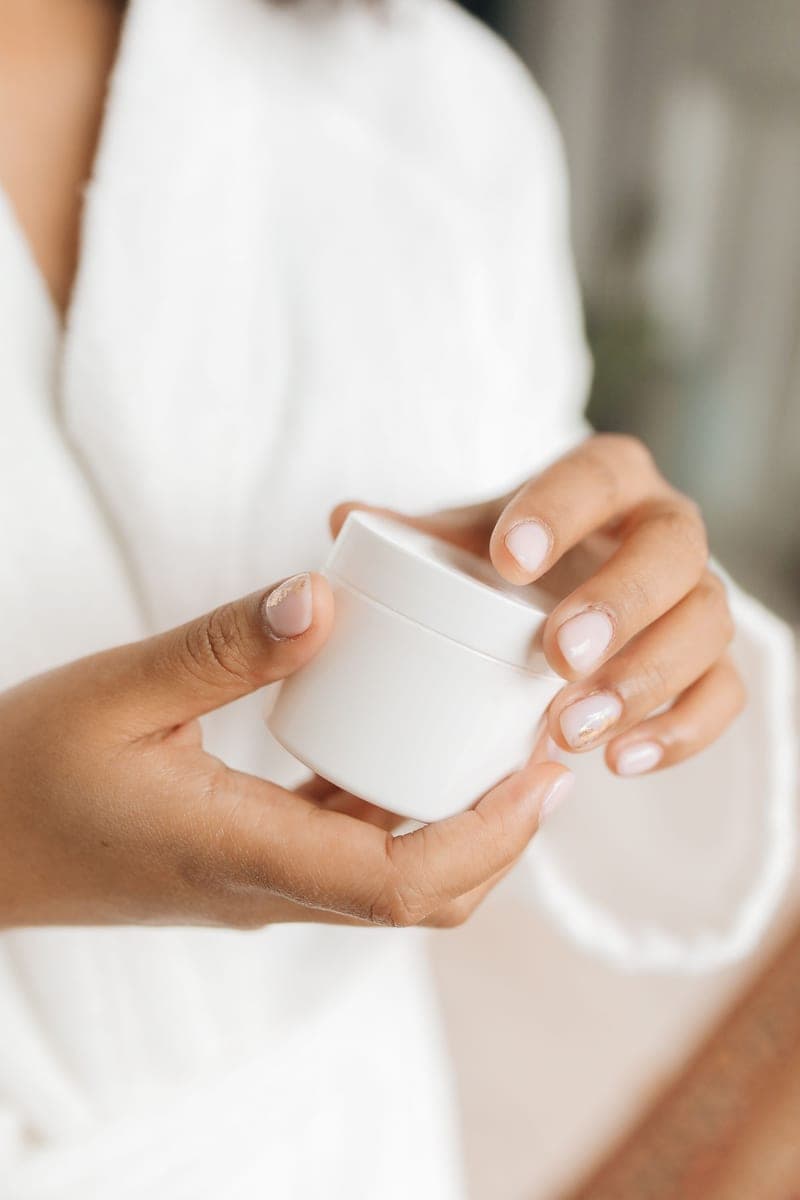
Illustrative photo - not the product.
Three ceramides plus cholesterol and petrolatum, no fragrance, in a tub big enough to use on your body too. This is the cream most dermatology offices hand out, and the formula earns it.
What is in it
- Ceramide NP, AP and EOP
- Petrolatum
- Sodium Hyaluronate
- Cholesterol
Best for
Barrier repair on a budget
Strengths
- Ceramides NP, AP and EOP with cholesterol - a complete lipid set
- Petrolatum for occlusion plus hyaluronic acid for water
- No added fragrance
- Very low cost per ounce in the large tub
Trade-offs
- Thick - it needs warming between your palms in winter
- The tub invites fingers into the product; the pump version is more hygienic
Who should skip it: Oily or acne-prone skin may find the richness too much for daytime; use the lotion version instead.
Ingredient list read at INCIDecoder - CeraVe Moisturizing Cream.
3. A rescue balm for the worst two days of a flare
La Roche-Posay Cicaplast Baume B5
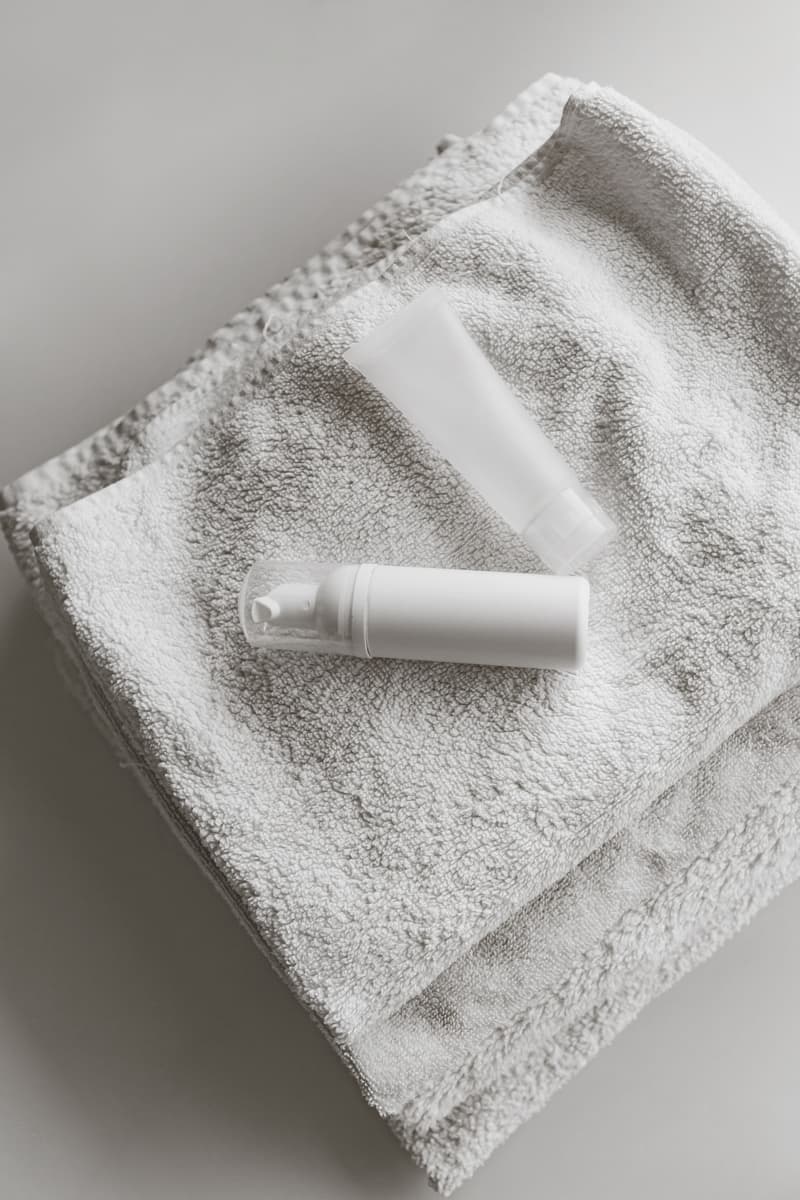
Illustrative photo - not the product.
A thick fragrance-free balm with panthenol, madecassoside and shea butter. This is a short-term repair layer for raw, stinging patches, not a daily moisturizer for the whole face.
What is in it
- Panthenol
- Madecassoside
- Shea butter
- Glycerin
Best for
A rescue balm for the worst two days of a flare
Strengths
- Panthenol and madecassoside - both well studied for irritated skin
- No added fragrance
- Thick enough to act as an overnight occlusive layer
- A small tube lasts a long time in spot use
Trade-offs
- Heavy and slightly tacky - not a daily all-over cream
- Contains chlorhexidine digluconate, which a small number of people react to
Who should skip it: If you want one cream for everyday use, this is not it - it is a targeted repair layer.
Ingredient list read at INCIDecoder - La Roche-Posay Cicaplast Baume B5.
Ointment or a petrolatum-led cream?
For most people, most of the time, the cream. An eleven-ingredient cream with petrolatum second on the list gives you nearly all of the occlusion in something you can actually spread over a whole face, and the better ones add lipids as well. Straight ointment earns its place in two situations: a raw, weeping or post-procedure patch, and overnight on skin that is too sore for anything else.
If what you want is the shortest possible ingredient list in a usable texture, that is the Vanicream cream above and the comparison with its main rival is at Vanicream vs CeraVe. If your skin is dry as well as reactive, the wider shortlist is at best moisturizers for rosacea and dry skin.
How to use it
- 1On damp skin, within a minute of rinsing. Not on dry skin.
- 2A thin layer. More does not occlude better; it just transfers onto your pillow.
- 3At night, unless you have no objection to the shine.
- 4Over a bland moisturizer, never over an acid or a retinoid.
- 5Not on an active crop of papules if it feels uncomfortable - a lighter fluid over sore bumps is kinder.
One note for anyone dealing with Malassezia folliculitis alongside rosacea: petrolatum is a hydrocarbon rather than a fatty acid, so the yeast cannot metabolise it. That makes it one of the few emollients available in that situation, and the rest of the list is at best moisturizers for rosacea and fungal acne.
How we chose
The occlusion figure and the inertness case come from the published dermatology literature on emollients and from the National Rosacea Society's guidance on gentle skin care. Product ingredient lists were read on each brand's own site and on INCIDecoder, with the source linked on every card. No prices are printed because we have no live price feed. Method at how we choose.
Questions people ask
Is petroleum jelly good for rosacea?
Yes. It is the most effective occlusive available, cutting water loss through the skin surface by around 98 percent, and it is almost inert - no fragrance, no botanicals and essentially no allergy history. It does nothing for flushing or visible vessels.
Is Vaseline safe to put on rosacea?
Plain white petrolatum is one of the safest things you can put on reactive skin. Check the specific product, though - some petroleum jelly variants are scented or carry added botanicals, and those are a different proposition.
Does petroleum jelly clog pores?
Not for most people. Cosmetic-grade petrolatum has a long record of use on compromised and post-procedure skin without causing comedones. It feels heavy, which is frequently mistaken for clogging.
Should I slug with rosacea?
You can, over a bland moisturizer. Do not slug over an exfoliating acid or a retinoid - the occlusive film increases how much penetrates and how long it stays there, which is the opposite of what reactive skin needs.
Is a petrolatum cream better than plain ointment?
For daily use, usually yes. A petrolatum-led cream spreads over a whole face, and the better ones add ceramides and humectants that straight ointment does not supply. Keep plain ointment for raw patches and the worst nights.