Actives & Treatments
Is squalane good for rosacea?
Yes, and it is more useful inside a cream than it is on its own.
By Michael W. · Last updated
The short answer
Yes. Squalane is a single, stable, odourless emollient with none of the fragrance compounds that make botanical oils a problem on reactive skin, and it is one of the few oils we would put on a rosacea-prone face. It is not a treatment for redness and it does not seal water in the way petrolatum does - which is why the best way to use it is inside a complete moisturizer rather than as a bare oil.
Some links on this page are affiliate links. If you buy through one, we may earn a commission at no extra cost to you - it is what funds the site. It does not change what gets recommended or in what order. Full disclosure.
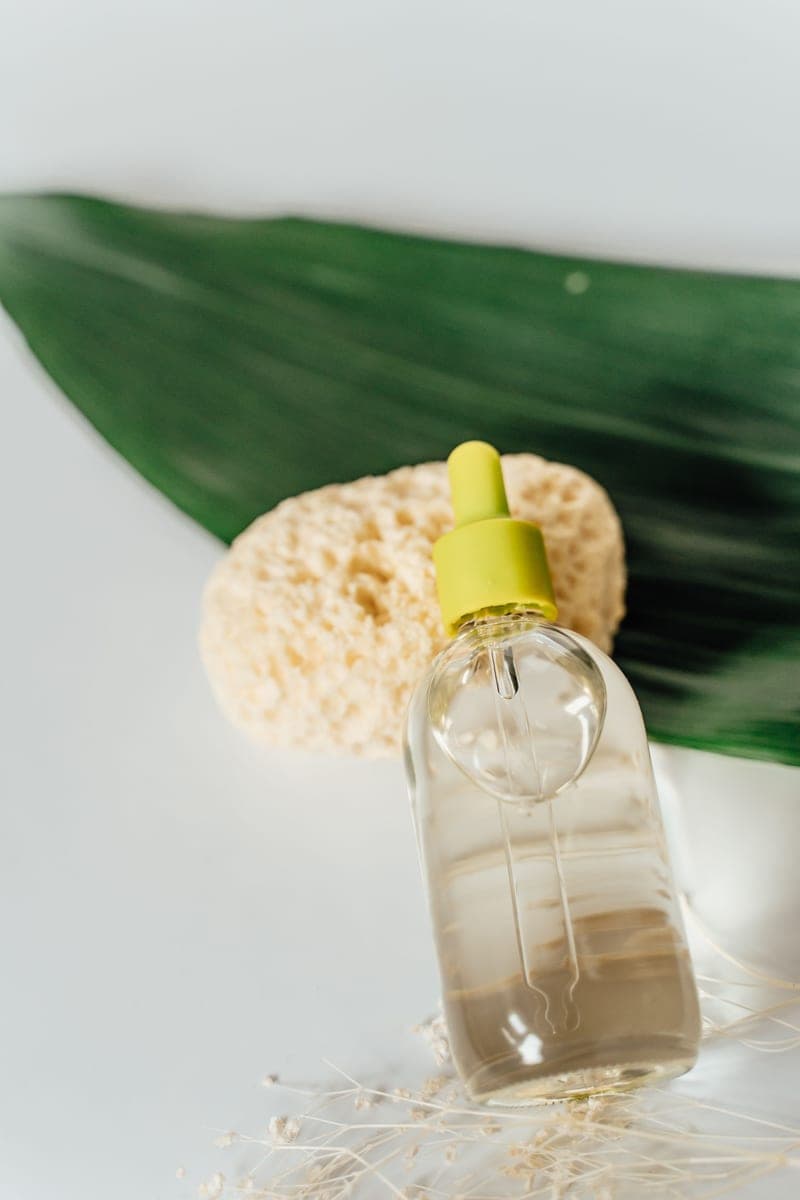
Squalane is the answer to a slightly different question than the one people usually ask. If the question is which face oil is safe to use with rosacea, squalane is the best available answer. If the question is what should I add to my routine to help my redness, the answer is almost certainly not an oil at all.
What makes it the good one is chemistry rather than marketing. Squalane is a single saturated hydrocarbon - a hydrogenated version of squalene, which your own sebum already contains. Because it is saturated it does not oxidise and go rancid, and because it is a single molecule it carries none of the terpenes, limonene or linalool that make rosehip, jojoba and every essential-oil blend a gamble on reactive skin.
Squalane against the other face oils
| Oil | Fragrance compounds? | Oxidises? | Suitable with rosacea? |
|---|---|---|---|
| Squalane | None | No - it is saturated | Yes |
| Rosehip oil | Yes, naturally present | Readily - the smell is the clue | Not our first choice |
| Jojoba oil | Low | Slowly | Usually tolerated |
| Marula, argan, sunflower | Low to moderate | Yes | Case by case |
| Coconut oil | Low | Slowly | Occlusive and comedogenic for many |
| Tea tree, lavender, peppermint oils | They are fragrance | Yes | No - these are on the flagged list |
The bottom row is the reason this page exists. A lot of natural face oils marketed for sensitive skin are essential-oil blends, and an essential oil is fragrance declared under a botanical name. That is the single most common way a fragrance-free claim leaks - the reasoning is at essential oils and rosacea.
What squalane actually does
- Emollient. Fills the gaps between surface skin cells, so skin feels smooth and less rough. This is its main job and it does it well.
- Mildly occlusive. It slows water loss somewhat. It is not petrolatum and it will not fix significant dryness alone.
- Spreads other ingredients. It is a good carrier, which is why formulators use it in creams and sunscreens.
- Does not treat redness. No anti-inflammatory mechanism, no effect on vessels, no effect on papules. Comfort, not correction.
- Does not feed Malassezia, unlike several fatty-acid-rich plant oils - relevant if fungal acne is part of your picture.
That list is honest about the limits. If your skin is dry and tight, an occlusive cream will do more than squalane oil will. If your skin is red and flushing, azelaic acid will do more. Squalane is the thing you use because it is comfortable and it will not set you off, which on reactive skin is a genuine virtue and not the same as being effective.
The screen
Every product on this page had to clear all of the following before it was considered on its merits. This is the exclusion step, and it runs before any recommendation.
- No added fragrance or parfum anywhere in the ingredient list.
- No essential oils, including ones declared under a botanical name.
- No denatured alcohol, witch hazel, menthol, camphor or peppermint.
- No physical scrub particles.
- Sold in the US right now, from a brand that publishes its full ingredient list.
- Every remaining flagged ingredient is named on the product card rather than quietly left out.
Ingredient lists last checked 2026-09-29. Formulas change - if you spot a discrepancy, the published list on the brand's own site wins and we want to know.
Quick picks
Every product here cleared the screen. Tap a row for the full write-up.
| # | Product | Best for | Fragrance | Price |
|---|---|---|---|---|
| 1 |  Avene Tolerance Control Soothing Skin Recovery Cream Fifteen ingredients, no fragrance, and no preservative in the ingredient declaration - it ships in a sterile pump instead. | Skin that reacts to almost everything, including preservatives | Free | |
| 2 | 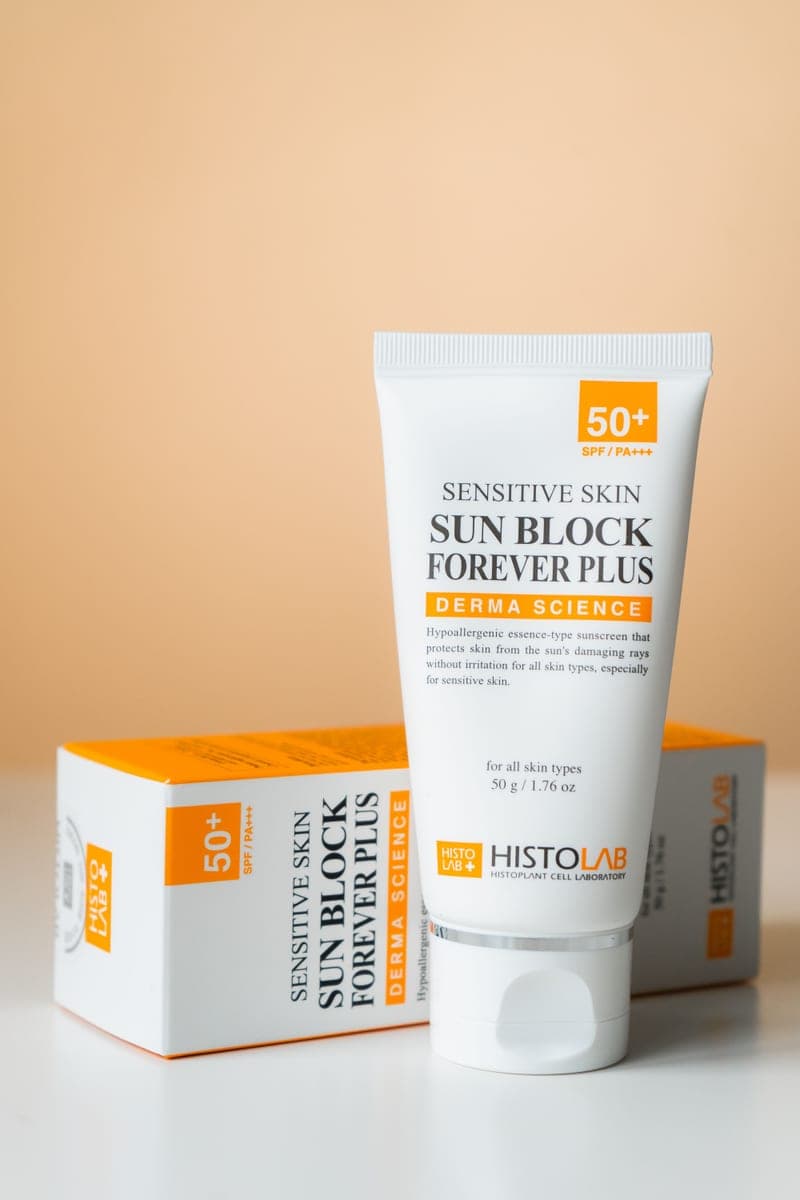 Vanicream Facial Moisturizer SPF 30 Zinc oxide at 19. | Zinc-only SPF with a moisturizer built in | Free | |
| 3 |  Eucerin Redness Relief Soothing Night Creme Fragrance-free and built around licochalcone A, the licorice-root flavonoid this range is known for. | Targeted redness work overnight | Free |
#ad - Amazon links are affiliate links. We do not publish prices, because we have no live price feed and will not print a number we cannot verify.
Why not just buy the bare oil?
You can, and a single-ingredient squalane oil is about as safe a product as exists in skincare. The reason we would not make it your purchase is that it gives you one function - emollience - when the same ingredient comes bundled with the functions you actually need in a complete formula. All three picks below contain squalane alongside the things it does not do by itself.
Avene Tolerance Control pairs squalane with glycerin in a fifteen-ingredient, preservative-free formula. Vanicream Facial Moisturizer SPF 30 pairs it with five ceramides and a zinc-only sunscreen, which collapses three steps into one. Eucerin Redness Relief Soothing Night Creme pairs it with licochalcone A, the one named redness active on this site - with the paraben and benzyl alcohol caveats stated on its card.
The picks, in order
1. Skin that reacts to almost everything, including preservatives
Avene Tolerance Control Soothing Skin Recovery Cream
Illustrative photo - not the product.
Fifteen ingredients, no fragrance, and no preservative in the ingredient declaration - it ships in a sterile pump instead. If you have reacted to preserved products, this is the one to try.
What is in it
- Avene thermal spring water
- Squalane
- Aquaphilus dolomiae extract filtrate
- Glycerin
Best for
Skin that reacts to almost everything, including preservatives
Strengths
- No preservative listed - sterile packaging does that job
- Fifteen ingredients, no fragrance, no essential oils
- Squalane and glycerin for comfort without heaviness
- The shortest list of any cream here after Vanicream
Trade-offs
- The most expensive per ounce of any pick on this page
- The sterile pump means you cannot scrape out the last of it
Who should skip it: If cost matters more than ingredient minimalism, the CeraVe or Vanicream creams do the barrier job for a fraction of the price.
Ingredient list read at INCIDecoder - Avene Tolerance Control Soothing Skin Recovery Cream.
2. Zinc-only SPF with a moisturizer built in
Vanicream Facial Moisturizer SPF 30
Illustrative photo - not the product.
Zinc oxide at 19.5% - the highest single-filter load here - with five ceramides and squalane in the base. It is a moisturizer and a sunscreen in one step, which is exactly what a short routine needs.
Filters: Zinc oxide 19.5%
What is in it
- Zinc oxide 19.5%
- Ceramides EOP, NG, NP, AS and AP
- Squalane
- Glycerin
Best for
Zinc-only SPF with a moisturizer built in
Strengths
- Zinc oxide only at 19.5% - no titanium dioxide, no chemical filters
- Five ceramides plus squalane, so it moisturizes properly
- No fragrance, masking fragrance, lanolin, parabens or formaldehyde releasers
- Collapses two steps into one
Trade-offs
- SPF 30, not 50 - you need to reapply more attentively
- A high zinc load means a real white cast
Who should skip it: If you are outdoors for hours or want SPF 50, step up to a dedicated high-SPF mineral formula.
Ingredient list read at Vanicream - Mineral Facial Moisturizer with SPF 30.
3. Targeted redness work overnight
Eucerin Redness Relief Soothing Night Creme
Illustrative photo - not the product.
Fragrance-free and built around licochalcone A, the licorice-root flavonoid this range is known for. Two things to weigh: it contains parabens and benzyl alcohol, both of which some people avoid.
What is in it
- Licochalcone A (Glycyrrhiza inflata root extract)
- Panthenol
- Squalane
- Glycerin
Best for
Targeted redness work overnight
Strengths
- Licochalcone A, the actual active behind the range
- No added fragrance
- Panthenol and squalane for comfort
- Sold in most US pharmacies
Trade-offs
- Contains methylparaben and propylparaben
- Contains benzyl alcohol, which a minority find stinging
Who should skip it: If you avoid parabens or have reacted to benzyl alcohol, pick a different redness cream - this one contains both.
Ingredient list read at INCIDecoder - Eucerin Redness Relief Night Cream.
Squalane or squalene?
One letter, real difference. Squalene is the unsaturated form that occurs in human sebum and in shark liver; it oxidises quickly, and oxidised squalene is itself irritating. Squalane is the hydrogenated, stable version, and it is what every cosmetic product means when it says squalane on the label. If a product genuinely lists squalene, that is worth a second look.
Modern cosmetic squalane is almost all plant-derived, usually from olives or sugarcane. Shark-derived squalane still exists in some supply chains, which is worth knowing if that matters to you - the brands that use plant sources generally say so.
Questions people ask
Is squalane good for rosacea?
Yes, as one of the few face oils worth using on rosacea-prone skin. It is a single stable molecule with no fragrance compounds and no oxidation problem. It soothes and smooths; it does not treat redness.
What face oil is best for rosacea?
Squalane, because it has no naturally occurring fragrance compounds and does not oxidise. Jojoba is usually tolerated. Avoid anything built on essential oils, which are fragrance under a botanical name.
Can squalane cause a flare?
It is one of the least likely ingredients to. Reactions are rare and usually trace to something else in the product rather than the squalane itself, which is why a single-ingredient oil is such a clean test.
Is squalane better than hyaluronic acid?
They do different jobs. Hyaluronic acid draws water into the surface; squalane helps keep it there and makes skin feel smooth. On dry reactive skin, using both and then sealing with a cream beats choosing between them.
Is squalane the same as squalene?
No. Squalene is unsaturated and oxidises readily, and oxidised squalene is irritating. Squalane is the hydrogenated, stable form, and it is what cosmetic products mean when they list squalane.