Routines & Flare Care
A skincare routine for rosacea and aging
The anti-aging playbook is built on ingredients rosacea does not tolerate. Here is the version that works.
By Michael W. · Last updated
The short answer
Sunscreen is the anti-aging step, and it is the same sunscreen rosacea already needs - so the two goals agree on the most important thing. For the rest: azelaic acid in the evening does real work on texture and tone without the retinoid penalty, a ceramide cream holds the barrier, and retinol is a later experiment rather than a starting point.
Some links on this page are affiliate links. If you buy through one, we may earn a commission at no extra cost to you - it is what funds the site. It does not change what gets recommended or in what order. Full disclosure.
The standard anti-aging routine is built on retinoids, glycolic acid and vitamin C. The standard rosacea routine avoids all three. That is not a coincidence - the ingredients that drive visible change do it by provoking turnover, and provoking reactive skin is how flares start.
So the routine below starts from what the two goals agree on, which turns out to be the single most effective anti-aging step there is, and then adds the things that do double duty. Nothing here is a compromise dressed up as a strategy: the order is chosen because the high-value steps happen to be the well-tolerated ones.
Step one: the sunscreen is the anti-aging routine
Ultraviolet exposure is the main extrinsic cause of skin aging - that is the standard position in the literature, and it is also why sun exposure is one of the most frequently reported rosacea triggers. One product addresses both, every morning, and there is no second thing that comes close to it.
This is worth sitting with, because people with rosacea often feel they have been locked out of anti-aging skincare. They have not. They have been locked out of the second tier of it. The first tier is a mineral sunscreen worn daily, which they were already supposed to be using, and the AAD's rosacea guidance recommends broad spectrum, SPF 30 or higher, water resistant - with zinc oxide, titanium dioxide or both if sunscreen irritates your skin.
Step two: azelaic acid instead of a retinoid
Retinoids are the most evidenced topical anti-aging ingredient there is: they promote keratinocyte proliferation, restrain transepidermal water loss, protect collagen against degradation and inhibit metalloproteinase activity. That is a real list and there is no honest way to pretend an alternative matches it.
Azelaic acid is nonetheless the right first move here, because it is the one active with good evidence in rosacea specifically and it does useful work on tone and texture at the same time. It normalizes keratinization, has anti-inflammatory activity, and has an effect on pigmentation - which covers a meaningful share of what people actually mean by aging, namely unevenness rather than wrinkles. The roundup is at best azelaic acid products for rosacea.
Expect stinging for the first week or two. That is normal, it usually settles, and the question of whether it means things are getting worse first is answered at does azelaic acid make rosacea worse before it gets better.
The screen
Every product on this page had to clear all of the following before it was considered on its merits. This is the exclusion step, and it runs before any recommendation.
- No added fragrance or parfum anywhere in the ingredient list.
- No essential oils, including ones declared under a botanical name.
- No denatured alcohol, witch hazel, menthol, camphor or peppermint.
- No physical scrub particles.
- Sold in the US right now, from a brand that publishes its full ingredient list.
- Every remaining flagged ingredient is named on the product card rather than quietly left out.
Ingredient lists last checked 2026-09-29. Formulas change - if you spot a discrepancy, the published list on the brand's own site wins and we want to know.
Quick picks
Every product here cleared the screen. Tap a row for the full write-up.
| # | Product | Best for | Fragrance | Price |
|---|---|---|---|---|
| 1 | 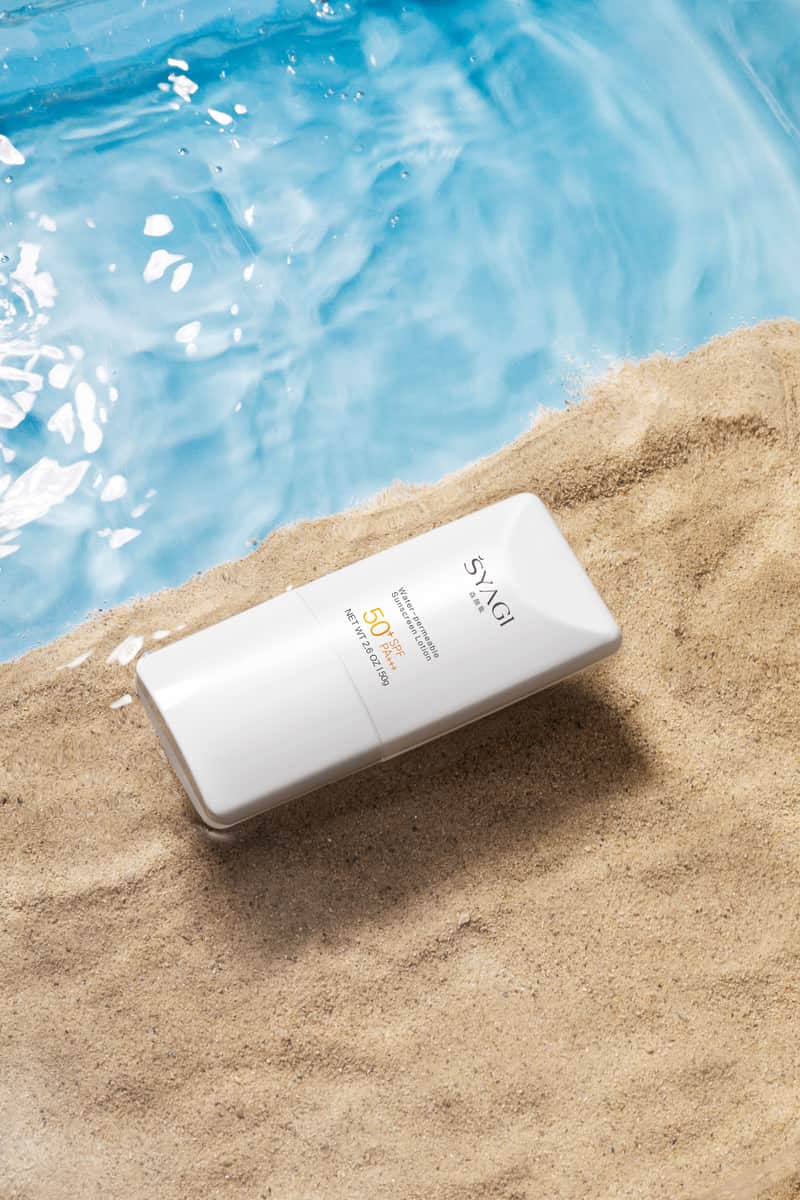 La Roche-Posay Anthelios Mineral Zinc Oxide Sunscreen SPF 50 Mineral-only filters at SPF 50, fragrance-free, in a fluid base that actually spreads instead of dragging. | Mineral-only SPF 50 that still spreads | Free | |
| 2 | The Ordinary Azelaic Acid Suspension 10% Actual azelaic acid at 10%, fragrance-free, for less than most cleansers cost. | True azelaic acid at the lowest price | Free | |
| 3 |  La Roche-Posay Toleriane Double Repair Face Moisturizer Light, fast-absorbing, fragrance-free, with ceramide NP and glycerin doing the barrier work. | Daily moisturizer that disappears under sunscreen | Free | |
| 4 |  Purito Centella Unscented Serum Centella asiatica extract at 49%, plus the three isolated centella actives, in a fragrance-free base. | Centella at a concentration that is actually doing something | Free |
#ad - Amazon links are affiliate links. We do not publish prices, because we have no live price feed and will not print a number we cannot verify.
The routine, in order
- 1Morning: rinse with lukewarm water. No cleanser for most people. If you wore a heavy occlusive overnight, use a bland cream cleanser.
- 2Morning: moisturizer. A fragrance-free ceramide cream, onto slightly damp skin.
- 3Morning: mineral sunscreen. Every day, indoors days included, because this is the step doing the anti-aging work.
- 4Evening: cleanse once, gently. Fingertips, lukewarm water, twenty to thirty seconds. The AAD's rosacea guidance names fingertips specifically - no cloths or sponges.
- 5Evening: azelaic acid, three nights a week to start. Build up only if nothing objects.
- 6Evening: moisturizer over the top. The same cream. Buffering the active with moisturizer underneath is also fine if it stings.
The picks, in order
1. Mineral-only SPF 50 that still spreads
La Roche-Posay Anthelios Mineral Zinc Oxide Sunscreen SPF 50
Illustrative photo - not the product.
Mineral-only filters at SPF 50, fragrance-free, in a fluid base that actually spreads instead of dragging. The trade is a visible cast on deeper skin tones, which the tinted version solves.
Filters: Titanium dioxide 6%, zinc oxide 5%
What is in it
- Titanium dioxide 6%
- Zinc oxide 5%
- Dimethicone
Best for
Mineral-only SPF 50 that still spreads
Strengths
- 100% mineral - titanium dioxide 6% and zinc oxide 5%, no chemical filters
- SPF 50 with a genuinely light fluid texture
- No added fragrance
- Layers under makeup without pilling
Trade-offs
- Leaves a white cast on medium and deep skin tones
- The fluid finish is matte - dry skin needs moisturizer under it
Who should skip it: If a white cast is a dealbreaker, go straight to a tinted mineral formula - untinted zinc always casts.
Ingredient list read at INCIDecoder - La Roche-Posay Anthelios Mineral Zinc Oxide Sunscreen SPF 50.
2. True azelaic acid at the lowest price
The Ordinary Azelaic Acid Suspension 10%
Illustrative photo - not the product.
Actual azelaic acid at 10%, fragrance-free, for less than most cleansers cost. The silicone base gives it a grippy, primer-like feel that people either tolerate or hate - there is no middle.
What is in it
- Azelaic acid 10%
- Dimethicone
- Tocopherol
Best for
True azelaic acid at the lowest price
Strengths
- Real azelaic acid at 10%, not a derivative
- No fragrance or essential oils
- The cheapest way to try azelaic acid
- Works under makeup like a primer
Trade-offs
- The silicone texture pills under some sunscreens
- Can sting for the first week - that is expected and usually settles
Who should skip it: If silicone textures bother you, a derivative-based serum will feel much better on skin.
Ingredient list read at INCIDecoder - The Ordinary Azelaic Acid Suspension 10%.
3. Daily moisturizer that disappears under sunscreen
La Roche-Posay Toleriane Double Repair Face Moisturizer
Illustrative photo - not the product.
Light, fast-absorbing, fragrance-free, with ceramide NP and glycerin doing the barrier work. Niacinamide sits fifth on the list, which is the only reason it is not our first pick for everyone.
What is in it
- Niacinamide
- Ceramide NP
- Glycerin
- Prebiotic thermal water
Best for
Daily moisturizer that disappears under sunscreen
Strengths
- Absorbs in seconds - layers cleanly under mineral SPF
- Ceramide NP and glycerin for barrier and water
- No added fragrance
- Works year-round for most skin types
Trade-offs
- Niacinamide is fifth on the ingredient list - a flushing trigger for some
- Not rich enough on its own for very dry skin in winter
Who should skip it: Skip if niacinamide reliably flushes you. Also skip as a standalone if your skin is very dry - layer it over an occlusive.
Ingredient list read at INCIDecoder - La Roche-Posay Toleriane Double Repair Face Moisturizer.
4. Centella at a concentration that is actually doing something
Purito Centella Unscented Serum
Illustrative photo - not the product.
Centella asiatica extract at 49%, plus the three isolated centella actives, in a fragrance-free base. Most centella products use a trace amount; this one does not. It also contains niacinamide.
What is in it
- Centella asiatica extract 49%
- Asiaticoside, asiatic acid, madecassic acid
- Ceramide NP
- Niacinamide
Best for
Centella at a concentration that is actually doing something
Strengths
- 49% centella extract plus asiaticoside, asiatic acid and madecassic acid
- Ceramide NP and sodium hyaluronate in the base
- No added fragrance - the 'unscented' in the name is accurate
- Light serum texture
Trade-offs
- Contains niacinamide
- A long ingredient list with several peptides and plant extracts
Who should skip it: If you are in the middle of a flare and stripping back to essentials, a 30-ingredient serum is the wrong move - come back to it when things are calm.
Ingredient list read at INCIDecoder - Purito Centella Unscented Serum.
What to add, and when
- A centella serum, after azelaic acid is established. Centella at a real concentration is well tolerated and gives the routine a soothing layer that is not just another cream. Picks at best centella products for redness.
- Niacinamide, if you tolerate it. Good evidence for barrier function and tone - and a flushing trigger for a minority, which is why it is an addition rather than a foundation. See is niacinamide good for rosacea.
- Lactic acid at 5%, much later, if at all. The gentlest useful acid, and still an acid - the AAD lists lactic acid among ingredients to avoid with rosacea, so this is an experiment with a known risk rather than a recommendation.
- A retinol trial, later still, at the lowest strength you can buy and twice a week. Many people with well-controlled rosacea tolerate it; many do not. Alternatives first at best retinol alternatives for sensitive skin.
Two things outside the bathroom cabinet
Alcohol and smoking are both worth naming here, because they sit at the intersection of the two problems. A multinational survey of 3,267 women found heavy alcohol use - eight or more drinks a week - associated with increased upper facial lines, under-eye puffiness, midface volume loss and visible blood vessels. Alcohol is also the single most frequently cited irritant trigger in the National Rosacea Society's own surveys, at 66% of respondents.
The same survey associated smoking with increased severity of forehead lines, crow's feet, glabellar lines, nasolabial folds and perioral lines. Neither of these is a skincare recommendation and neither is offered as medical advice - they are simply the two variables with the strongest published association with the exact outcomes this page is about.
What this routine will not do
It will not remove visible blood vessels, which are a structural change treated with vascular laser or intense pulsed light. It will not match a tretinoin routine for wrinkles. And it will not deliver fast visible change - azelaic acid takes eight to twelve weeks before a fair judgement is possible, and sunscreen pays out over years rather than months.
What it will do is address tone, texture and the cumulative damage that drives most of the visible difference between skin at forty and skin at sixty, without spending a fortnight of every month in a flare. On reactive skin, a routine you can sustain beats a better routine you abandon.
How we built this
From the published guidance of the American Academy of Dermatology and the National Rosacea Society, the published literature on retinoid mechanisms and on facial aging associations, and the ingredient lists of the products named. No first-hand-use claim is made anywhere on this site, nothing here is medical advice, and the criteria are at how we choose.
Questions people ask
What is the best skincare routine for rosacea and aging?
Mineral sunscreen every morning, a fragrance-free ceramide moisturizer twice a day, and azelaic acid three evenings a week. Sunscreen is the highest-value anti-aging step and rosacea needs it anyway, so the two goals agree on the thing that matters most.
Can I use retinol if I have rosacea?
Some people with well-controlled rosacea tolerate a low-strength retinol used twice a week; many do not. It is a later experiment rather than a starting point, and azelaic acid is the better first move because it has evidence in rosacea specifically and works on tone and texture at the same time.
What can I use instead of retinol for rosacea?
Azelaic acid first. It normalizes keratinization, has anti-inflammatory activity and affects pigmentation, which covers the unevenness most people mean by aging. Centella and niacinamide are reasonable additions once that is established. None of them matches a retinoid for wrinkles, and pretending otherwise would be dishonest.
Does rosacea make skin age faster?
Rosacea itself is not an aging process. What overlaps is the trigger list: sun exposure is both the main extrinsic cause of skin aging and one of the most frequently reported rosacea triggers, and heavy alcohol use is associated with both facial aging signs and rosacea irritation.
Can I use vitamin C with rosacea?
L-ascorbic acid at the concentrations used in anti-aging serums is low-pH and frequently stings reactive skin. Some people manage a gentler derivative. Treat it as an optional late addition, patch tested, rather than part of the foundation.
How long before I see a difference?
Azelaic acid needs eight to twelve weeks before a fair judgement. Sunscreen pays out over years and shows nothing in the mirror next month. Anything promising faster visible change on reactive skin is usually promising irritation.
Sources
- American Academy of Dermatology - Rosacea: skin care tips dermatologists recommend
- National Rosacea Society - Skin care and cosmetics
- Zasada M, Budzisz E - Retinoids: active molecules influencing skin structure formation in cosmetic and dermatological treatments
- Goodman GD et al - Impact of smoking and alcohol use on facial aging in women (n=3,267)