Ingredients & Triggers
Over-the-counter vs prescription rosacea treatment
One of these lists treats the skin barrier. The other treats the condition. Knowing which you need saves months.
By Michael W. · Last updated
The short answer
Over-the-counter products can do three things well: protect from UV, support the barrier, and deliver azelaic acid at 10%, which is the only cosmetic active with real evidence against papules and background redness. Everything else rosacea involves - pustules that keep coming back, visible vessels, eye involvement, and thickening tissue on the nose - needs a prescription or a procedure, and no amount of shopping will substitute. The honest division of labour is: buy the sunscreen, the fragrance-free cleanser and moisturizer, and an azelaic acid serum; see a clinician for anything that is not responding to those within eight to twelve weeks.
Some links on this page are affiliate links. If you buy through one, we may earn a commission at no extra cost to you - it is what funds the site. It does not change what gets recommended or in what order. Full disclosure.
This is an affiliate site that sells nothing but recommendations, so it is worth being direct about the limits of what is on these pages. Everything this site covers is a cosmetic. Cosmetics are regulated on safety and labelling, not on efficacy against a medical condition, and the only exceptions are the small number of over-the-counter drug categories - sunscreens and skin protectants among them - which carry a drug facts panel for exactly that reason.
Rosacea is a medical diagnosis. Some of what it produces responds well to careful product choice, and some of it does not respond to products at all. Confusing the two costs people months, and in the case of phymatous change it can cost more than that, because tissue thickening does not reverse on its own. So here is the division of labour, stated plainly.
What each side can actually address
| Symptom | Over the counter | Prescription or procedure |
|---|---|---|
| Flushing episodes | Trigger avoidance, sunscreen - this is most of the job | Brimonidine and oral options exist; a clinician decides |
| Persistent background redness | Azelaic acid 10%, licochalcone A, barrier repair | Higher-strength azelaic acid, other topicals |
| Papules and pustules | Azelaic acid 10%, modest effect | Topical and oral prescriptions - the main treatment route |
| Visible blood vessels | Nothing. No topical closes a vessel | Laser and light-based treatment |
| Dryness, stinging, tightness | This is squarely the cosmetic job, and it works | Rarely needed |
| Eye irritation and grittiness | Lid hygiene only | Ocular rosacea is managed medically |
| Thickening of nose tissue | Nothing | Needs early specialist assessment |
Look at the right-hand column on rows three, four, six and seven. Those are the four symptoms where the shelf has nothing to offer, and they are also four of the most distressing presentations of the condition. If any of them describes you, the most useful thing this page can do is tell you to book an appointment rather than suggest a product. The subtypes and which symptoms belong to which are set out at rosacea subtypes explained.
What is genuinely worth buying without a prescription
- A mineral sunscreen, every day. Sun exposure is the most frequently reported trigger in the National Rosacea Society patient surveys, which makes this the highest-value item available to you at any price.
- Azelaic acid at 10%. The one cosmetic active with meaningful published support for papules and redness. Prescription versions are stronger, not different in kind.
- A fragrance-free cleanser and moisturizer. Barrier support reduces reactivity over weeks. This is unglamorous and it works.
- Licochalcone A, if you want a named redness active inside a plain cream rather than a separate serum step.
- Nothing else, really. Niacinamide is useful for the barrier and a flushing trigger for a minority. Vitamin C, retinol and acids are all optional and all carry risk on reactive skin.
That list is short on purpose. The temptation with a visible skin condition is to add products, and the pattern this site sees most often is a routine of eight items where three would work better. The azelaic acid ranking is at best azelaic acid products for rosacea, and the question of whether the acid or the derivative is the right version of it is at does azelaic acid make rosacea worse before better.
The screen
Every product on this page had to clear all of the following before it was considered on its merits. This is the exclusion step, and it runs before any recommendation.
- No added fragrance or parfum anywhere in the ingredient list.
- No essential oils, including ones declared under a botanical name.
- No denatured alcohol, witch hazel, menthol, camphor or peppermint.
- No physical scrub particles.
- Sold in the US right now, from a brand that publishes its full ingredient list.
- Every remaining flagged ingredient is named on the product card rather than quietly left out.
Ingredient lists last checked 2026-09-29. Formulas change - if you spot a discrepancy, the published list on the brand's own site wins and we want to know.
Quick picks
Every product here cleared the screen. Tap a row for the full write-up.
| # | Product | Best for | Fragrance | Price |
|---|---|---|---|---|
| 1 | 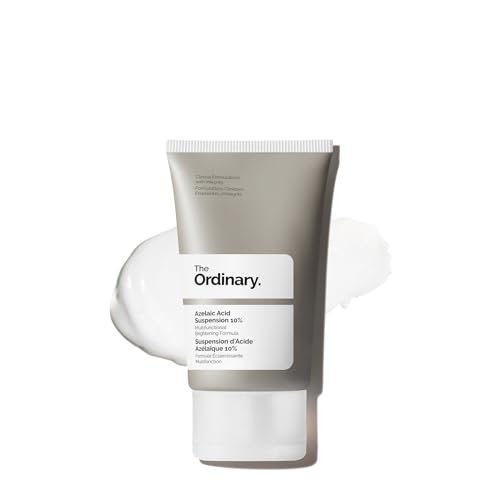 The Ordinary Azelaic Acid Suspension 10% Actual azelaic acid at 10%, fragrance-free, for less than most cleansers cost. | True azelaic acid at the lowest price | Free | |
| 2 | 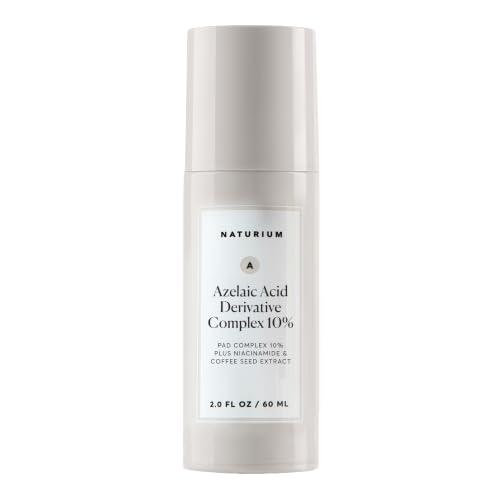 Naturium Azelaic Topical Acid 10% This uses potassium azeloyl diglycinate, a water-soluble azelaic derivative, not azelaic acid itself. | A lightweight azelaic serum with no silicone drag | Free | |
| 3 | 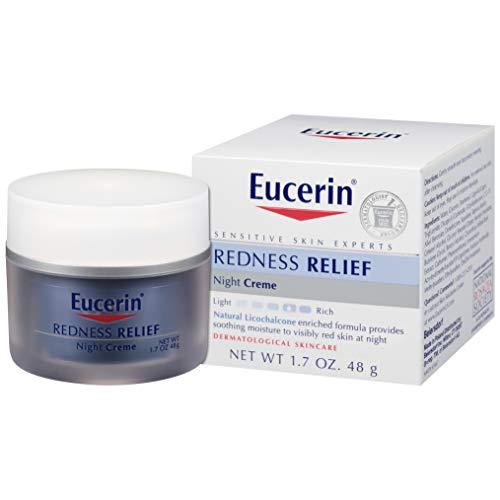 Eucerin Redness Relief Soothing Night Creme Fragrance-free and built around licochalcone A, the licorice-root flavonoid this range is known for. | Targeted redness work overnight | Free | |
| 4 | 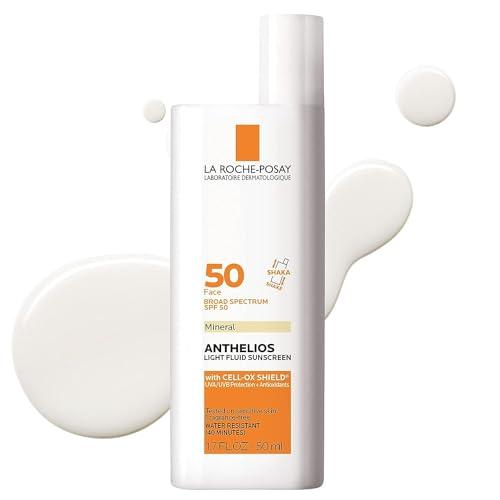 La Roche-Posay Anthelios Mineral Zinc Oxide Sunscreen SPF 50 Mineral-only filters at SPF 50, fragrance-free, in a fluid base that actually spreads instead of dragging. | Mineral-only SPF 50 that still spreads | Free |
#ad - Amazon links are affiliate links. Prices come from the Amazon API, are refreshed daily, and disappear rather than go stale - the button shows the current number or it asks you to check.
The picks, in order
1. True azelaic acid at the lowest price
The Ordinary Azelaic Acid Suspension 10%
Product photo from Amazon.
Actual azelaic acid at 10%, fragrance-free, for less than most cleansers cost. The silicone base gives it a grippy, primer-like feel that people either tolerate or hate - there is no middle.
What is in it
- Azelaic acid 10%
- Dimethicone
- Tocopherol
Best for
True azelaic acid at the lowest price
Strengths
- Real azelaic acid at 10%, not a derivative
- No fragrance or essential oils
- The cheapest way to try azelaic acid
- Works under makeup like a primer
Trade-offs
- The silicone texture pills under some sunscreens
- Can sting for the first week - that is expected and usually settles
Who should skip it: If silicone textures bother you, a derivative-based serum will feel much better on skin.
#ad How we are funded - price as of November 18, 2026
Ingredient list read at INCIDecoder - The Ordinary Azelaic Acid Suspension 10%.
2. A lightweight azelaic serum with no silicone drag
Naturium Azelaic Topical Acid 10%
Product photo from Amazon.
This uses potassium azeloyl diglycinate, a water-soluble azelaic derivative, not azelaic acid itself. The texture is far nicer. It also contains niacinamide, which changes who it suits.
What is in it
- Potassium azeloyl diglycinate
- Niacinamide
- Ethyl ascorbic acid
- Sodium hyaluronate
Best for
A lightweight azelaic serum with no silicone drag
Strengths
- Light, watery texture with none of the silicone grip
- Sodium hyaluronate and glycerin keep it comfortable
- No added fragrance
- Layers under sunscreen cleanly
Trade-offs
- A derivative, not azelaic acid - do not assume equivalence to a 10% acid
- Contains niacinamide and ethyl ascorbic acid, two more variables
Who should skip it: Skip if you are trying to isolate one variable, or if niacinamide flushes you - this has several actives at once.
#ad How we are funded - price as of November 18, 2026
Ingredient list read at INCIDecoder - Naturium Azelaic Topical Acid 10%.
3. Targeted redness work overnight
Eucerin Redness Relief Soothing Night Creme
Product photo from Amazon.
Fragrance-free and built around licochalcone A, the licorice-root flavonoid this range is known for. Two things to weigh: it contains parabens and benzyl alcohol, both of which some people avoid.
What is in it
- Licochalcone A (Glycyrrhiza inflata root extract)
- Panthenol
- Squalane
- Glycerin
Best for
Targeted redness work overnight
Strengths
- Licochalcone A, the actual active behind the range
- No added fragrance
- Panthenol and squalane for comfort
- Fragrance-free, dye-free and non-comedogenic on the label
Trade-offs
- Contains methylparaben and propylparaben
- Contains benzyl alcohol, which a minority find stinging
- Getting hard to find in the US - stock is thin and it is no longer a drugstore-priced cream
Who should skip it: If you avoid parabens or have reacted to benzyl alcohol, pick a different redness cream - this one contains both.
Ingredient list read at INCIDecoder - Eucerin Redness Relief Night Cream.
4. Mineral-only SPF 50 that still spreads
La Roche-Posay Anthelios Mineral Zinc Oxide Sunscreen SPF 50
Product photo from Amazon.
Mineral-only filters at SPF 50, fragrance-free, in a fluid base that actually spreads instead of dragging. The trade is a visible cast on deeper skin tones, which the tinted version solves.
Filters: Titanium dioxide 6%, zinc oxide 5%
What is in it
- Titanium dioxide 6%
- Zinc oxide 5%
- Dimethicone
Best for
Mineral-only SPF 50 that still spreads
Strengths
- 100% mineral - titanium dioxide 6% and zinc oxide 5%, no chemical filters
- SPF 50 with a genuinely light fluid texture
- No added fragrance
- Layers under makeup without pilling
Trade-offs
- Leaves a white cast on medium and deep skin tones
- The fluid finish is matte - dry skin needs moisturizer under it
Who should skip it: If a white cast is a dealbreaker, go straight to a tinted mineral formula - untinted zinc always casts.
#ad How we are funded - price as of November 18, 2026
Ingredient list read at INCIDecoder - La Roche-Posay Anthelios Mineral Zinc Oxide Sunscreen SPF 50.
How long to give the over-the-counter route
- 1Weeks one and two: base routine only. Fragrance-free cleanser, moisturizer, mineral sunscreen. Nothing else, so you can see what the baseline is.
- 2Weeks three to four: add one active. Azelaic acid, every other night at first. One active, introduced alone, so a reaction has one possible cause.
- 3Weeks five to eight: hold steady. Azelaic acid takes four to eight weeks to show its effect, and an initial worsening in the first two weeks is common and expected.
- 4Week eight to twelve: assess honestly. Fewer papules, less background redness, less stinging? Continue. Nothing changed, or worse? That is your answer.
- 5Then book the appointment. Twelve weeks of a correct, consistent routine with no improvement is good information to bring to a clinician, not a failure.
The reason for the twelve-week clock is that it protects you in both directions. It stops you abandoning a product at week three when azelaic acid is still in its worse-before-better phase, and it stops you spending a year cycling through creams for something that needed a prescription in month one. Keep a note of what you added and when - the step-by-step routine is at the rosacea skincare routine.
Two things to raise with a clinician earlier than twelve weeks
Do not run the clock if either of these applies. The first is eye involvement: gritty, burning, watering or persistently red eyes alongside facial rosacea suggests ocular rosacea, which affects a substantial share of people with the condition and is managed medically rather than cosmetically. The second is any thickening or coarsening of the skin on the nose, because phymatous change responds much better to early intervention than to late.
The third, less urgent but worth saying: if your skin is reacting to almost every product you try, that pattern itself is worth a conversation. It may be contact dermatitis layered on top of rosacea rather than the rosacea itself, and that is a different problem with a different fix. The elimination approach in the meantime is at rosacea-safe skincare products, and the flagged list to screen against is at ingredients to avoid with rosacea.
How we chose
The treatment categories above follow published patient guidance from the National Rosacea Society rather than any brand's claims, and we name no prescription product, dose or protocol because that is a clinician's decision and not ours. Product recommendations are limited to cosmetics and over-the-counter sunscreens, with published ingredient lists read on each brand's own site and on INCIDecoder and the source linked on every pick. Prices are pulled from the Amazon API, refreshed daily and stamped with the date they were read. Method at how we choose.
Questions people ask
What can you buy over the counter for rosacea?
Three things that matter: a mineral sunscreen, a fragrance-free cleanser and moisturizer for barrier support, and azelaic acid at 10%, which is the only cosmetic active with real published support against papules and background redness.
Is over-the-counter azelaic acid as good as prescription?
It is the same ingredient at a lower strength. Over-the-counter formulas are 10%; prescription versions are stronger and are prescribed with instructions. The 10% is a legitimate starting point, not a placebo version.
When should I see a dermatologist about rosacea?
Immediately if your eyes are gritty or burning, or if the skin on your nose is thickening - both respond better to early treatment. Otherwise, after about twelve weeks of a correct, consistent routine with no improvement.
Can skincare get rid of rosacea?
No. Rosacea is a chronic condition and no cosmetic cures it. Good product choice reduces flares, calms reactivity and stops you making things worse, which is genuinely valuable and is not the same as treatment.
Does anything over the counter help visible blood vessels?
No. No topical product closes a dilated vessel. Visible telangiectasia is treated with laser or light-based procedures, which is a dermatology conversation.