Routines & Flare Care
A routine for rosacea and acne
The combination where the standard advice for each makes the other worse.
By Michael W. · Last updated
The short answer
Cleanse gently, moisturize properly, and treat breakouts with one leave-on active rather than a harsh wash. Azelaic acid is the one active with real evidence for both. The mistake that costs most is stripping oil to control acne.
Some links on this page are affiliate links. If you buy through one, we may earn a commission at no extra cost to you - it is what funds the site. It does not change what gets recommended or in what order. Full disclosure.
Acne advice says strip the oil, exfoliate, use benzoyl peroxide. Rosacea advice says protect the barrier and touch it as little as possible. Run the first set on skin that is doing both and you get clearer pores on a face that is now permanently red and stinging.
The conflict is less real than it looks, because stripping oil does not actually treat acne - it removes lipids, and skin often responds by producing more.
First: are they both acne?
Papulopustular rosacea produces papules and pustules that look very like acne. The distinguishing feature is comedones - blackheads and whiteheads. Acne has them. Rosacea papules do not.
| Acne | Papulopustular rosacea | |
|---|---|---|
| Comedones (blackheads/whiteheads) | Yes | No |
| Distribution | T-zone, jaw, back, chest | Central face - cheeks, nose, chin, forehead |
| Background skin | Often normal between lesions | Persistently red between lesions |
| Flushing | Not a feature | Common |
| Responds to | Benzoyl peroxide, retinoids, salicylic acid | Azelaic acid, prescription topicals, oral treatment |
If you have bumps and no comedones at all, that is worth raising with a clinician - the treatments genuinely differ, and treating rosacea papules as acne is how people end up with a stripped barrier and no improvement.
The screen
Every product on this page had to clear all of the following before it was considered on its merits. This is the exclusion step, and it runs before any recommendation.
- No added fragrance or parfum anywhere in the ingredient list.
- No essential oils, including ones declared under a botanical name.
- No denatured alcohol, witch hazel, menthol, camphor or peppermint.
- No physical scrub particles.
- Sold in the US right now, from a brand that publishes its full ingredient list.
- Every remaining flagged ingredient is named on the product card rather than quietly left out.
Ingredient lists last checked 2026-09-29. Formulas change - if you spot a discrepancy, the published list on the brand's own site wins and we want to know.
Quick picks
Every product here cleared the screen. Tap a row for the full write-up.
| # | Product | Best for | Fragrance | Price |
|---|---|---|---|---|
| 1 |  CeraVe Hydrating Cream-to-Foam Cleanser A cream that foams lightly on contact, with three ceramides and gentle surfactants. | Combination skin that wants some foam | Free | |
| 2 |  La Roche-Posay Toleriane Double Repair Face Moisturizer Light, fast-absorbing, fragrance-free, with ceramide NP and glycerin doing the barrier work. | Daily moisturizer that disappears under sunscreen | Free | |
| 3 |  The Ordinary Azelaic Acid Suspension 10% Actual azelaic acid at 10%, fragrance-free, for less than most cleansers cost. | True azelaic acid at the lowest price | Free | |
| 4 | 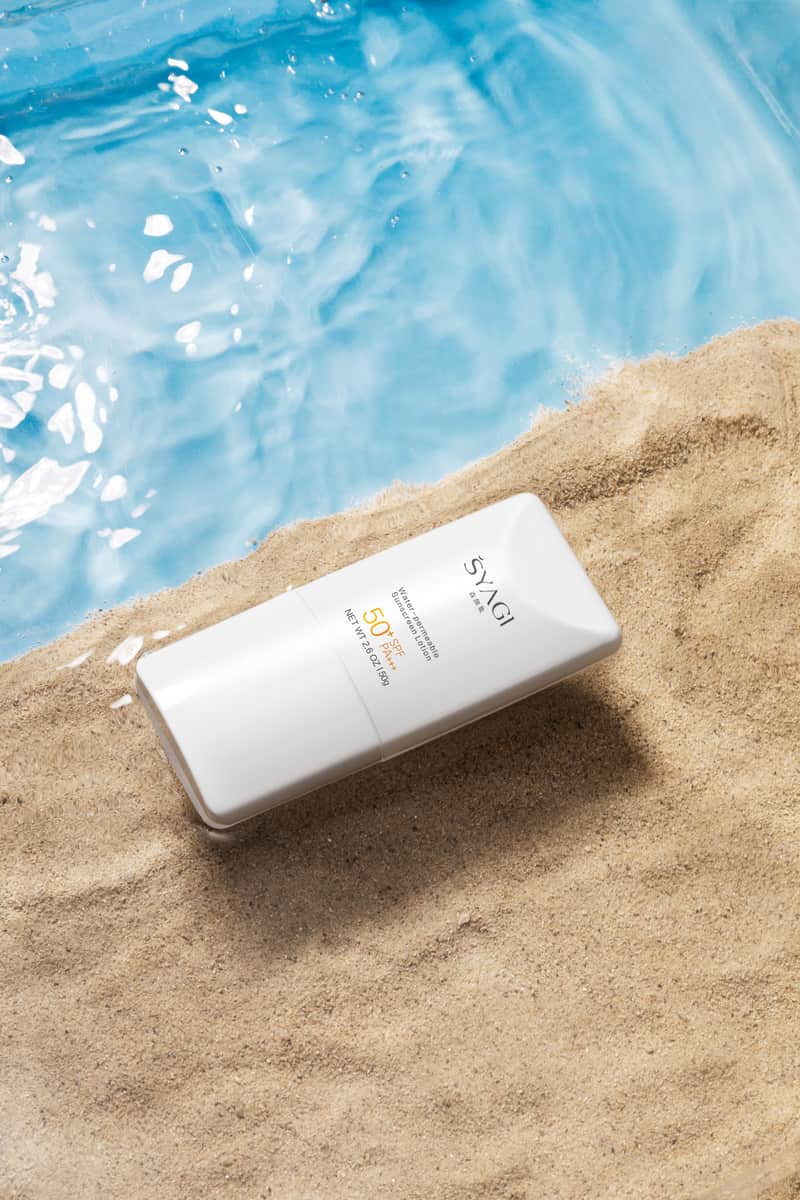 La Roche-Posay Anthelios Mineral Zinc Oxide Sunscreen SPF 50 Mineral-only filters at SPF 50, fragrance-free, in a fluid base that actually spreads instead of dragging. | Mineral-only SPF 50 that still spreads | Free |
#ad - Amazon links are affiliate links. We do not publish prices, because we have no live price feed and will not print a number we cannot verify.
The routine
Morning
- 1Cleanse or rinse. A light-foaming cleanser is reasonable here if your skin is genuinely oily.
- 2Moisturize on damp skin. Lighter texture. Do not skip this to control shine.
- 3Mineral SPF 30+. Non-negotiable, and it does not have to be heavy.
Evening
- 1Cleanse with the same gentle cleanser. Thirty seconds, fingertips, lukewarm water.
- 2Azelaic acid, twice a week to start, over moisturizer for the first fortnight.
- 3Moisturize - lighter than a petrolatum cream if you are congesting, but do not skip it.
The picks, in order
1. Combination skin that wants some foam
CeraVe Hydrating Cream-to-Foam Cleanser
Illustrative photo - not the product.
A cream that foams lightly on contact, with three ceramides and gentle surfactants. The trade against the plainer cleansers here is a much longer ingredient list - it also contains a small amount of salicylic acid.
What is in it
- Ceramide NP, AP and EOP
- Coco-betaine
- Sodium cocoyl isethionate
- Amino acids
Best for
Combination skin that wants some foam
Strengths
- Three ceramides with mild surfactants rather than sulfates
- No added fragrance
- The foam is light, so it cleans without the stripped feeling
- Removes sunscreen more readily than a pure cream cleanser
Trade-offs
- A very long ingredient list - more variables than a minimal cleanser
- Contains a small amount of salicylic acid
Who should skip it: If you are trying to isolate a trigger, this is the wrong cleanser to be using - too many ingredients to rule anything out.
Ingredient list read at INCIDecoder - CeraVe Hydrating Cream-to-Foam Cleanser.
2. Daily moisturizer that disappears under sunscreen
La Roche-Posay Toleriane Double Repair Face Moisturizer
Illustrative photo - not the product.
Light, fast-absorbing, fragrance-free, with ceramide NP and glycerin doing the barrier work. Niacinamide sits fifth on the list, which is the only reason it is not our first pick for everyone.
What is in it
- Niacinamide
- Ceramide NP
- Glycerin
- Prebiotic thermal water
Best for
Daily moisturizer that disappears under sunscreen
Strengths
- Absorbs in seconds - layers cleanly under mineral SPF
- Ceramide NP and glycerin for barrier and water
- No added fragrance
- Works year-round for most skin types
Trade-offs
- Niacinamide is fifth on the ingredient list - a flushing trigger for some
- Not rich enough on its own for very dry skin in winter
Who should skip it: Skip if niacinamide reliably flushes you. Also skip as a standalone if your skin is very dry - layer it over an occlusive.
Ingredient list read at INCIDecoder - La Roche-Posay Toleriane Double Repair Face Moisturizer.
3. True azelaic acid at the lowest price
The Ordinary Azelaic Acid Suspension 10%
Illustrative photo - not the product.
Actual azelaic acid at 10%, fragrance-free, for less than most cleansers cost. The silicone base gives it a grippy, primer-like feel that people either tolerate or hate - there is no middle.
What is in it
- Azelaic acid 10%
- Dimethicone
- Tocopherol
Best for
True azelaic acid at the lowest price
Strengths
- Real azelaic acid at 10%, not a derivative
- No fragrance or essential oils
- The cheapest way to try azelaic acid
- Works under makeup like a primer
Trade-offs
- The silicone texture pills under some sunscreens
- Can sting for the first week - that is expected and usually settles
Who should skip it: If silicone textures bother you, a derivative-based serum will feel much better on skin.
Ingredient list read at INCIDecoder - The Ordinary Azelaic Acid Suspension 10%.
4. Mineral-only SPF 50 that still spreads
La Roche-Posay Anthelios Mineral Zinc Oxide Sunscreen SPF 50
Illustrative photo - not the product.
Mineral-only filters at SPF 50, fragrance-free, in a fluid base that actually spreads instead of dragging. The trade is a visible cast on deeper skin tones, which the tinted version solves.
Filters: Titanium dioxide 6%, zinc oxide 5%
What is in it
- Titanium dioxide 6%
- Zinc oxide 5%
- Dimethicone
Best for
Mineral-only SPF 50 that still spreads
Strengths
- 100% mineral - titanium dioxide 6% and zinc oxide 5%, no chemical filters
- SPF 50 with a genuinely light fluid texture
- No added fragrance
- Layers under makeup without pilling
Trade-offs
- Leaves a white cast on medium and deep skin tones
- The fluid finish is matte - dry skin needs moisturizer under it
Who should skip it: If a white cast is a dealbreaker, go straight to a tinted mineral formula - untinted zinc always casts.
Ingredient list read at INCIDecoder - La Roche-Posay Anthelios Mineral Zinc Oxide Sunscreen SPF 50.
What to treat the breakouts with
| Option | Fits this combination because | The catch |
|---|---|---|
| Azelaic acid 10% | Works on papules, pustules and redness at once - the only common active with a claim on both | Stings for the first week. Usually settles |
| Niacinamide | Oil control plus barrier support at a gentle strength | A flushing trigger for a minority |
| Low-dose salicylic acid, leave-on | Targets comedones with controllable frequency | Genuine acne only. Does nothing for rosacea papules |
| Benzoyl peroxide, spot use | Effective against acne bacteria | Drying and irritating on a compromised barrier. Clinician territory |
What not to do
- Skip moisturizer to control oil. A dry surface often produces more sebum, and a compromised barrier is more inflamed. This is the most common and most self-defeating mistake here.
- Use a scrub. Abrasion helps neither condition and harms one.
- Stack acids. Salicylic in the cleanser, glycolic in a toner, benzoyl peroxide at night - that is three experiments running at once on the worst possible skin for it.
- Use tea tree oil. Real antimicrobial activity, real sensitizing potential, and the second usually wins here.
- Pick at anything. Rosacea papules in particular leave marks that outlast the lesion by months.
When to see a clinician
Sooner than for either condition alone. If you cannot tell which you have, if bumps are not settling on azelaic acid after eight weeks, or if you are cycling between a stripped barrier and active breakouts, that is exactly the situation prescription treatment exists for. It is also the situation where guessing costs the most time.
Questions people ask
Can you have rosacea and acne at the same time?
Yes, and it is common. It is also common for papulopustular rosacea to be mistaken for acne - the distinguishing sign is comedones. Acne has blackheads and whiteheads; rosacea papules do not.
What is the best routine for rosacea and acne?
Gentle cleanser, proper moisturizer, mineral sunscreen, and one leave-on active - azelaic acid for preference. The key move is treating breakouts with a leave-on rather than a harsh wash.
Should I use benzoyl peroxide if I have rosacea?
Cautiously and ideally with a clinician. It is effective against acne and genuinely harsh on a compromised barrier. Some people tolerate low strength on limited areas; it is not a good self-prescribe on this combination.
Will moisturizer make my acne worse?
Unlikely, and skipping it will. A dry surface often produces more sebum and a compromised barrier is more inflamed. Use a lighter texture rather than nothing.
How do I tell rosacea papules from acne?
Comedones. Acne produces blackheads and whiteheads; rosacea papules do not. Rosacea also sits centrally on the face with persistently red skin between lesions, and comes with flushing. If in doubt, that is a clinician question.