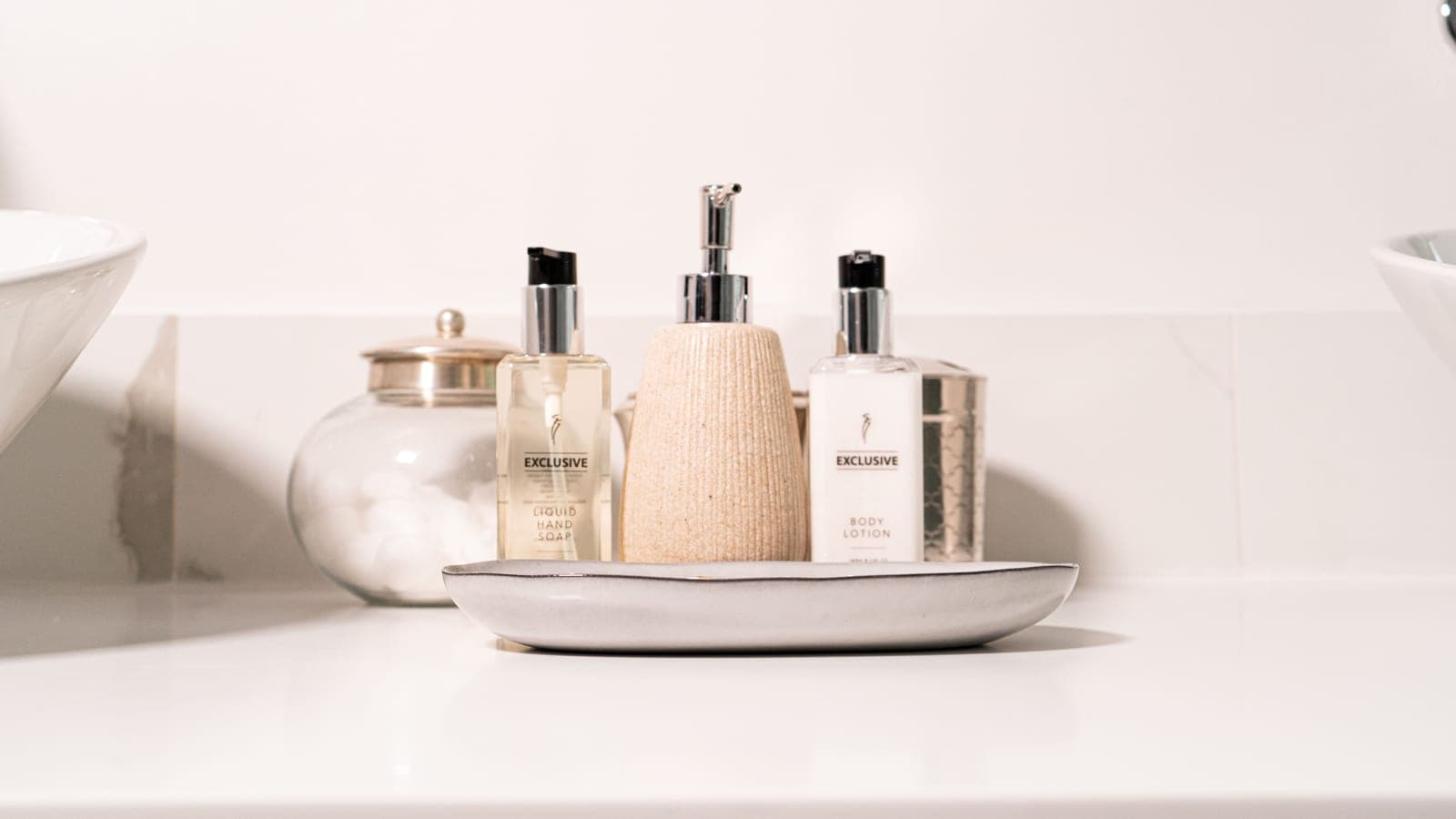
Best cleanser
Best cleansers for rosacea
Fragrance-free cleansers that cleared our ingredient screen, ranked, with the trade-offs named.
Calm & Cream
The step most likely to be causing your problem, and the easiest one to fix.
Last updated
Some links on this page are affiliate links. If you buy through one, we may earn a commission at no extra cost to you - it is what funds the site. It does not change what gets recommended or in what order. Full disclosure.
If one product in your routine is making things worse, it is most often the cleanser. It is the step with the most contact, the most friction and the most surfactant, and it is the step people are most willing to make harsh - because a squeaky-clean face feels like it worked. On rosacea-prone skin, squeaky is the warning sign, not the goal.
A cleanser has one job: lift oil, sweat, sunscreen and pollution off your face and rinse away. It does not need to tingle, it does not need to foam much, and it does not need actives. Anything it does beyond that job is another variable in a routine where you are trying to reduce variables.
Every cleanser on this hub cleared the same screen. The flags that knock a cleanser out most often are the ones below - and the last two are the ones that catch products marketed specifically at sensitive skin.
Flagged
Sodium lauryl sulfate deserves a specific note. It is used in dermatology research as a standard irritant - researchers apply it deliberately to provoke a reaction under controlled conditions. That is a strong hint about what it does in a daily face wash. Sodium laureth sulfate, one letter different, is a different and much milder molecule, and at rinse-off concentrations most people tolerate it without any issue.
Once, at night, for most people with rosacea. In the morning, water alone is enough unless you have oily skin or you slept in a heavy occlusive. This is not a minimalist affectation - it halves the amount of surfactant and friction your face sees, and for a lot of people that single change does more than any product swap.
If you wear mineral sunscreen daily - and you should - then an evening cleanse is genuinely necessary. High-zinc formulas are designed to sit on top of skin and resist water. A cream cleanser and thirty seconds of gentle contact removes them. Scrubbing does not remove them better, it just removes more of your barrier at the same time.
If you have no idea what is triggering you, start with the shortest ingredient list you can find and use nothing else new for two weeks. If your skin is dry and tight, start with a ceramide cream cleanser. If you also get pustules, the answer is still a gentle cleanser - the acne-style face wash is almost always the wrong tool here, and there is a page on exactly that.
Best cleanser
Fragrance-free cleansers that cleared our ingredient screen, ranked, with the trade-offs named.
Best for rosacea with acne
Fragrance-free washes for skin doing both at once, and why acne cleansers usually backfire.
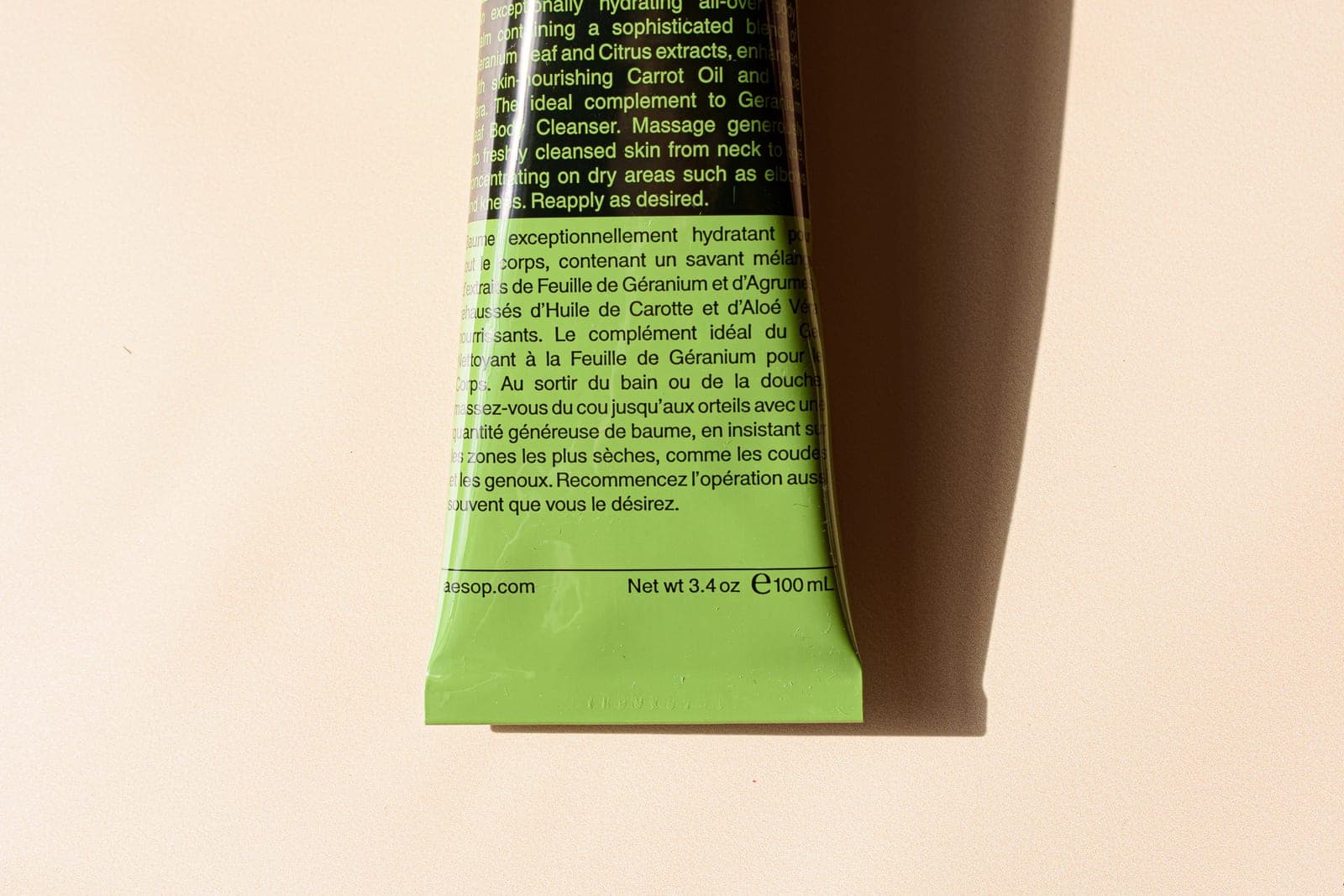
Best fragrance-free cleanser
Cleansers that are fragrance-free on the back of the bottle, not just the front.
Best cleansing balm
Fragrance-free balms for removing mineral SPF without scrubbing, and the popular ones we flag.
Best gentle exfoliant
The gentlest acids for reactive skin, when to use them, and when the answer is not to.
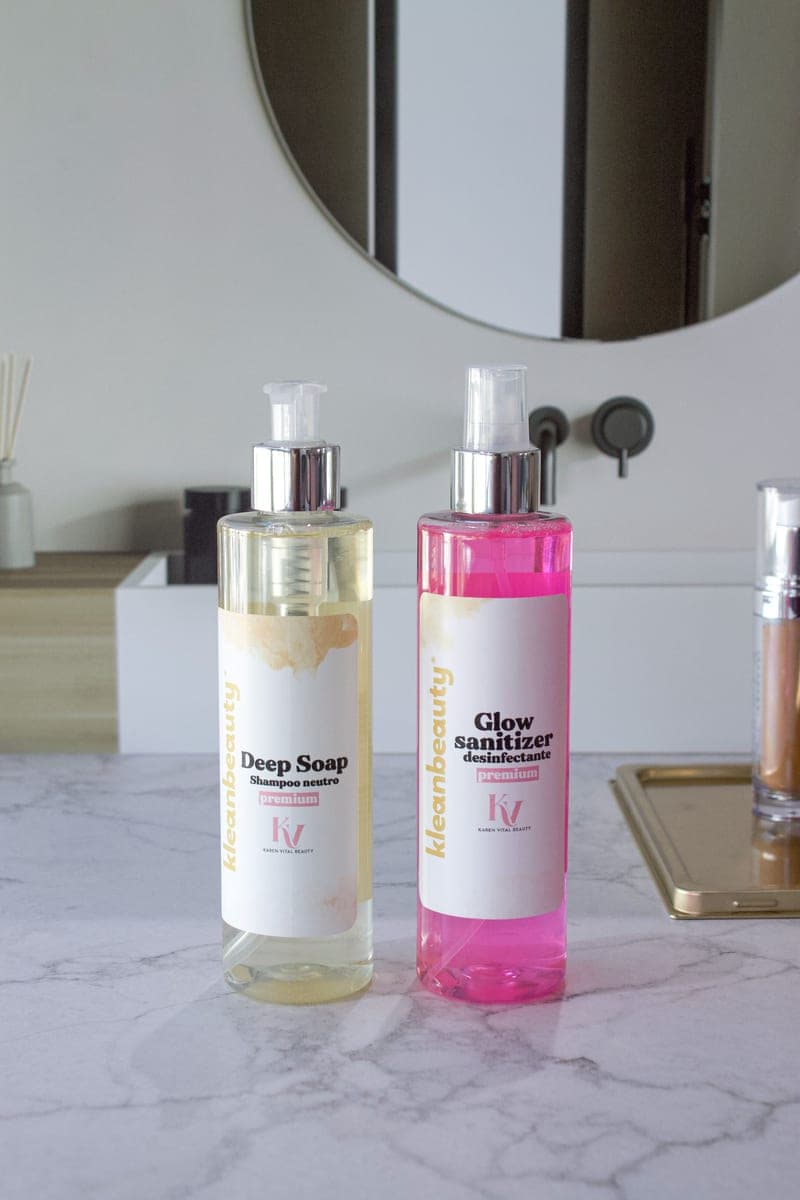
comparison
The two most recommended drugstore cleansers, compared on what is actually in them.
review
A line-by-line review of the Toleriane hydrating cleanser, including the niacinamide question.
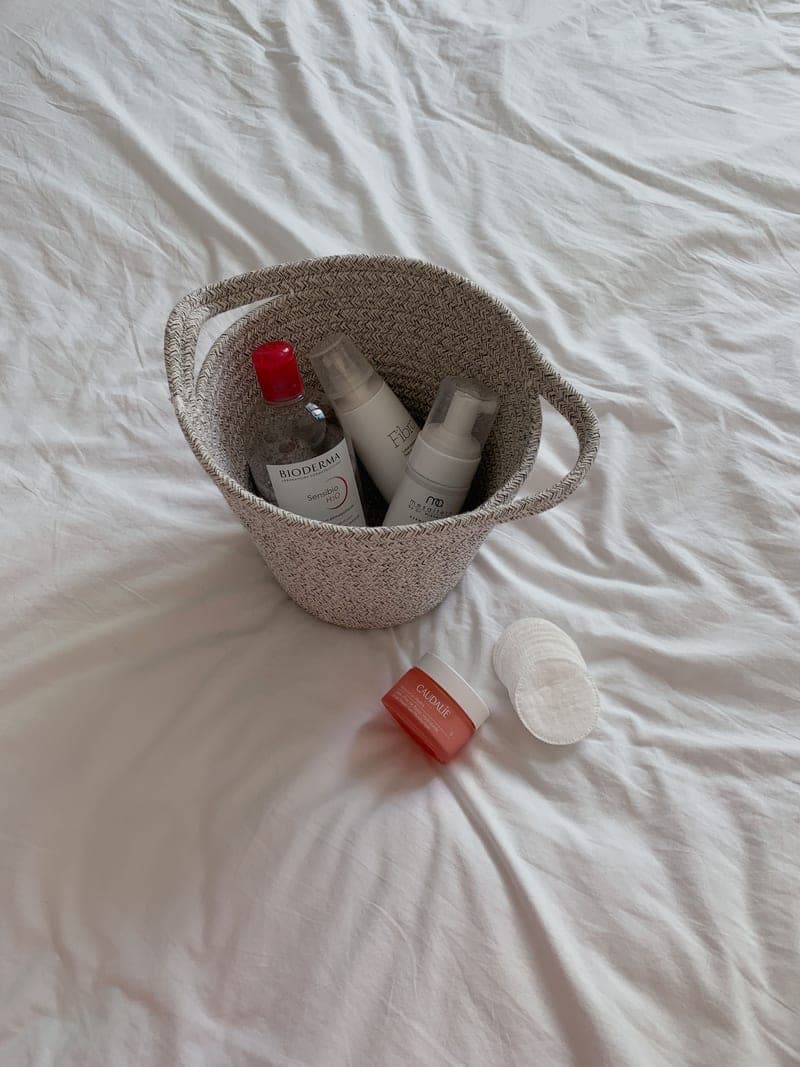
guide
What foam actually indicates, and which texture suits which skin - with the picks for each.
guide
Frequency, temperature, technique - the free half of getting cleansing right.
Non-foaming, in most cases. Foam comes from surfactants, and the surfactants that foam most are generally the ones that strip most. A cream or lotion cleanser cleans adequately and leaves the barrier in better shape. If you strongly prefer a gel, look for one built on coco-betaine or sodium cocoyl isethionate rather than sulfates.
It is not harmful for everyone, but it is more contact than most rosacea-prone skin needs. Cleansing once at night and rinsing with lukewarm water in the morning is the standard starting point. If your skin is oily or you sweat heavily, twice a day with a gentle cleanser is fine.
Only if you wear long-wear makeup or a high-zinc sunscreen and find one cleanse does not remove it. If you do double-cleanse, use a fragrance-free balm or oil first, then your regular cleanser - and do not increase the scrubbing to compensate.
Not directly - it is on your face for under a minute. What it can do is stop making redness worse, which is a bigger effect than most people expect. A cleanser that strips the barrier keeps skin in a permanently reactive state, and switching away from it is often the single change that helps most.
It means no fragrance or parfum was added. It does not automatically mean no essential oils - those are declared under botanical names and can slip past the label claim. That gap is exactly what our screen exists to catch, and it is covered in fragrance-free vs unscented.