Ingredients & Triggers
Is micellar water good for rosacea?
It is a cleanser that most people use as if it were a toner. That is the whole problem.
By Michael W. · Last updated
The short answer
Micellar water is usable on rosacea-prone skin but it is not the gentle option it is sold as. It is a dilute surfactant solution - the micelles are detergent - and leaving it on the face means leaving detergent on the face, which is a slow route to a stripped, stinging barrier. The friction of wiping with a cotton pad is the second problem and the bigger one. If you want what micellar water promises, Cetaphil Gentle Skin Cleanser can be wiped off without rinsing and was designed to be, Vanicream Gentle Facial Cleanser is the twelve-ingredient rinse-off, and a fragrance-free balm is the correct tool for removing mineral sunscreen.
Some links on this page are affiliate links. If you buy through one, we may earn a commission at no extra cost to you - it is what funds the site. It does not change what gets recommended or in what order. Full disclosure.
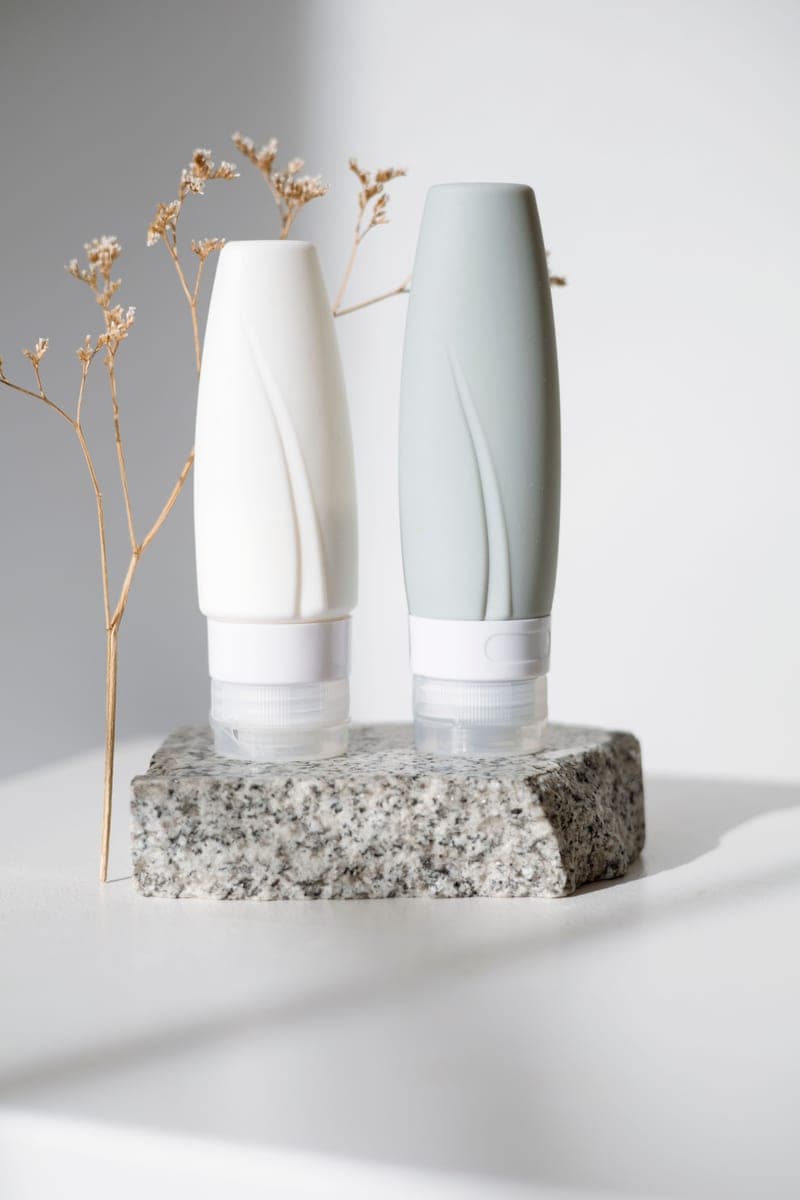
Micellar water looks like water, is sold beside toners, and is used by most people as a no-rinse wipe before bed. All three of those facts work against reactive skin, because micellar water is not water. It is a solution of mild surfactants - usually poloxamers, PEG esters or glucosides - arranged into micelles that trap oil and pigment. That is a cleanser. The question is not whether the ingredients are harsh; it is what happens when you leave a cleanser on your face overnight.
On skin with an intact barrier, not much. On rosacea-prone skin, where transepidermal water loss is already elevated and the barrier is more permeable, a residual surfactant film is a continuous low-grade insult. People describe the result as skin that gets gradually more reactive over months without any single product being blamed - which is exactly the pattern a daily leave-on detergent would produce.
What is actually in a bottle of micellar water
| Component | What it is doing | Relevant to rosacea? |
|---|---|---|
| Poloxamer 184 / 188 | The surfactant forming the micelles | Yes - this is the part you should rinse off |
| PEG-6 caprylic/capric glycerides | Co-surfactant and solubiliser | Mild, but still a cleansing agent |
| Glycerin | Humectant, softens the strip | Helpful, and the reason some versions feel kinder |
| Hexylene glycol | Solvent and penetration aid | Can sting on compromised skin |
| Fragrance / parfum | Scent | Common in the category - a hard fail on this site |
| Preservative system | Required in a high-water formula | Isothiazolinones are a documented sensitiser |
| Cotton pad (not in the bottle) | Friction | The single biggest problem with the method |
The last row is not a joke. Across every cleansing question on this site, mechanical friction does more damage to a rosacea barrier than the chemistry does, and micellar water is a method that requires dragging a dry-ish cotton pad across inflamed skin until the pigment lifts. If you have ever wondered why your cheeks are pinker after removing makeup than they were with it on, that is the answer, and no reformulation of the liquid fixes it.
When micellar water is a reasonable choice
- Travel, when you have no access to running water. This is the use case it is genuinely good for.
- Removing eye makeup, pressed rather than wiped. Hold a soaked pad still for twenty seconds, then lift. No dragging.
- As a first step before a real cleanse, on a heavy makeup day. Useful, but a balm does this better and with less friction.
- On days your face is too sore to touch water at all. Although a rinse-free lotion cleanser is the better-designed product for that exact situation.
- As a spot clean - around the nose, along the jaw. Small areas, pressed not wiped.
What it is not good for is removing mineral sunscreen, which is the job most people with rosacea actually need done every evening. A high-zinc, water-resistant SPF is a suspension of solid particles in wax, and a micellar solution will not lift it without a great deal of wiping. That is a balm's job, and the two balms that clear our fragrance screen are ranked at best cleansing balms for sensitive skin.
The screen
Every product on this page had to clear all of the following before it was considered on its merits. This is the exclusion step, and it runs before any recommendation.
- No added fragrance or parfum anywhere in the ingredient list.
- No essential oils, including ones declared under a botanical name.
- No denatured alcohol, witch hazel, menthol, camphor or peppermint.
- No physical scrub particles.
- Sold in the US right now, from a brand that publishes its full ingredient list.
- Every remaining flagged ingredient is named on the product card rather than quietly left out.
Ingredient lists last checked 2026-09-29. Formulas change - if you spot a discrepancy, the published list on the brand's own site wins and we want to know.
Quick picks
Every product here cleared the screen. Tap a row for the full write-up.
| # | Product | Best for | Fragrance | Price |
|---|---|---|---|---|
| 1 | 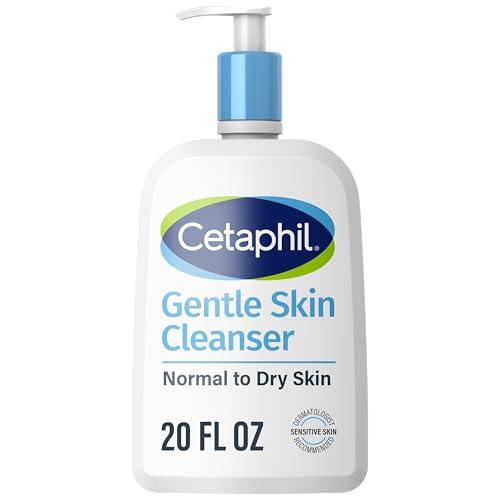 Cetaphil Gentle Skin Cleanser Ten ingredients, no fragrance, and it can be wiped off without water - genuinely useful when your face is too sore to touch a washcloth. | Rinse-free cleansing on a bad flare day | Free | |
| 2 | 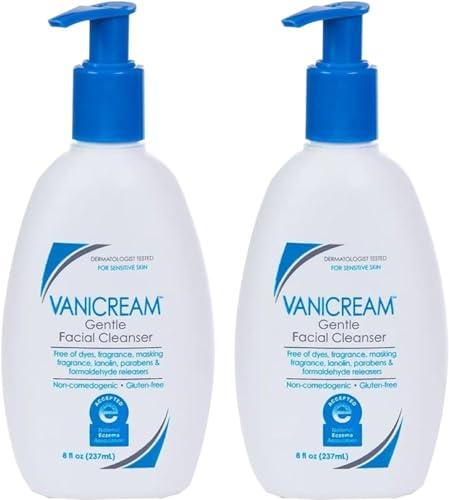 Vanicream Gentle Facial Cleanser Twelve ingredients, no fragrance, no essential oils, no botanical extracts. | The shortest ingredient list on the shelf | Free | |
| 3 | 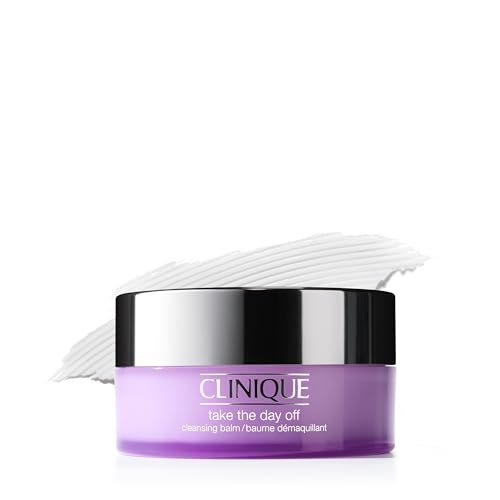 Clinique Take The Day Off Cleansing Balm Nine ingredients, no fragrance, no essential oils. | Removing mineral sunscreen without scrubbing | Free |
#ad - Amazon links are affiliate links. Prices come from the Amazon API, are refreshed daily, and disappear rather than go stale - the button shows the current number or it asks you to check.
The picks, in order
1. Rinse-free cleansing on a bad flare day
Cetaphil Gentle Skin Cleanser
Product photo from Amazon.
Ten ingredients, no fragrance, and it can be wiped off without water - genuinely useful when your face is too sore to touch a washcloth. The current formula does contain niacinamide.
What is in it
- Glycerin
- Panthenol
- Niacinamide
- Pantolactone
Best for
Rinse-free cleansing on a bad flare day
Strengths
- Ten ingredients, no added fragrance, no parabens
- Can be used without rinsing on days when water makes things worse
- Panthenol and pantolactone for soothing and moisture
- Cheap and stocked by every pharmacy
Trade-offs
- The current formula contains niacinamide - check if that is a trigger for you
- Leaves a faint residue if you do not rinse
Who should skip it: If niacinamide flushes you, this is now the wrong cleanser - the reformulated version lists it fifth.
#ad How we are funded - price as of November 18, 2026
Ingredient list read at INCIDecoder - Cetaphil Gentle Skin Cleanser.
2. The shortest ingredient list on the shelf
Vanicream Gentle Facial Cleanser
Product photo from Amazon.
Twelve ingredients, no fragrance, no essential oils, no botanical extracts. When skin is reacting and you cannot work out to what, this is the cleanser that removes the most variables at once.
What is in it
- Glycerin
- Coco-Glucoside
- Sodium Cocoyl Glycinate
Best for
The shortest ingredient list on the shelf
Strengths
- Twelve ingredients total - the shortest list of any cleanser here
- No fragrance, masking fragrance, essential oils or botanical extracts
- Non-foaming, gentle surfactants (coco-glucoside, sodium cocoyl glycinate)
- Widely stocked and inexpensive for the size
Trade-offs
- Does very little beyond cleaning - no ceramides, no soothing actives
- The lotion texture feels slippery to people used to a foaming wash
Who should skip it: If you wear heavy sunscreen or makeup and want one-step removal, this will not cut through it - double-cleanse or pick a balm.
#ad How we are funded - price as of November 18, 2026
Ingredient list read at INCIDecoder - Vanicream Gentle Facial Cleanser.
3. Removing mineral sunscreen without scrubbing
Clinique Take The Day Off Cleansing Balm
Product photo from Amazon.
Nine ingredients, no fragrance, no essential oils. A cleansing balm is usually where fragrance hides, and this one simply does not have any - which makes it the obvious first step for removing high-zinc SPF.
What is in it
- Ethylhexyl palmitate
- Safflower seed oil
- Caprylic/capric triglyceride
- Tocopherol
Best for
Removing mineral sunscreen without scrubbing
Strengths
- Nine ingredients - remarkable for a balm
- No fragrance, no essential oils, no botanical perfuming agents
- Melts high-zinc mineral sunscreen without friction
- A jar lasts months
Trade-offs
- Needs a second cleanse - it emulsifies but leaves a faint film
- Costs more per ounce than a drugstore balm
Who should skip it: If you do not wear sunscreen or makeup, you do not need a balm at all - a single gentle cleanse is enough.
#ad How we are funded - price as of November 18, 2026
Ingredient list read at INCIDecoder - Clinique Take The Day Off Cleansing Balm.
The three alternatives, and which problem each solves
- 1You want a genuine no-rinse cleanse. Cetaphil Gentle Skin Cleanser. Ten ingredients, no added fragrance, and designed from the outset to be wiped off without water - which is the thing micellar water claims and this product was actually built for. The current formula contains niacinamide.
- 2You want the shortest ingredient list, rinsed. Vanicream Gentle Facial Cleanser. Twelve ingredients, no fragrance, no botanicals. The right choice when you are trying to work out what your skin is reacting to.
- 3You need to remove mineral sunscreen or foundation. Clinique Take The Day Off Cleansing Balm. Nine ingredients, no fragrance, and it dissolves what micellar water can only smear.
If what attracted you to micellar water was avoiding water on your face entirely - a reasonable instinct, since hot water is a flushing trigger and hard water is a reported irritant - the answer is lukewarm water and a rinse-free lotion, not a leave-on detergent. The full cleansing method for reactive skin, including the water-temperature question, is at how to cleanse rosacea-prone skin.
What to check if you are keeping your micellar water
- Fragrance or parfum anywhere on the list. Extremely common in this category. It is a fail here regardless of how mild the surfactant is.
- Alcohol denat in the first five ingredients. Some formulas use it for a fast-drying finish. The argument against is at alcohol in skincare and rosacea.
- Methylisothiazolinone or methylchloroisothiazolinone. A preservative family with a well-documented contact-allergy record.
- Menthol, mint or cooling claims. These act on the receptors implicated in flushing. The worst possible addition.
- Whether you are rinsing. The most important line on this page, and it is about your habit rather than the label.
- What you are wiping with. A soaked pad pressed and held does far less damage than a damp one dragged.
Worth saying clearly, because this page reads as a negative verdict and it is not quite one: micellar water is not on our flagged ingredient list and nobody needs to throw theirs away. It is a mild cleanser used in a way that undercuts it. Rinse it, press rather than wipe, and keep a balm for sunscreen nights, and it becomes an unremarkable, serviceable product. The full list of what does get flagged, and why, is at ingredients to avoid with rosacea.
How we chose
Published ingredient lists read on each brand's own site and on INCIDecoder, with the source linked on every pick, screened for added fragrance, masking fragrance, essential oils and the flagged ingredients on our avoid list. Statements about micellar chemistry describe what the declared surfactants do; we make no claim about clinical outcomes from micellar water, because we found no rosacea-specific trial of it. Prices are pulled from the Amazon API, refreshed daily and stamped with the date they were read. Method at how we choose.
Questions people ask
Is micellar water good for rosacea?
It is usable but not the gentle option it is marketed as. Micellar water is a dilute surfactant solution, so leaving it on the face leaves detergent on the face. Rinse it off and press rather than wipe, and it becomes a reasonable mild cleanser.
Do you have to rinse micellar water off?
On rosacea-prone skin, yes. The no-rinse label means the surfactant level is low enough that most skin tolerates the residue, not that the residue helps. Rinsing takes ten seconds and removes the whole objection.
Can micellar water cause irritation?
Two ways. The residual surfactant film if you do not rinse, and the friction of a cotton pad dragged across inflamed skin - the second is usually the bigger problem. Fragrance and isothiazolinone preservatives in some formulas are a third.
Does micellar water remove sunscreen?
Not well, and mineral sunscreen least of all. A high-zinc water-resistant formula is solid particles in a wax base; micellar water smears it rather than dissolving it. Use a fragrance-free balm for that job.
What should I use instead of micellar water with rosacea?
Cetaphil Gentle Skin Cleanser if you want a genuine no-rinse option, Vanicream Gentle Facial Cleanser for the shortest rinse-off ingredient list, or a fragrance-free cleansing balm if you are removing mineral SPF or makeup.