Actives & Treatments
Can you use vitamin C with rosacea?
Sometimes. The form on the label decides it, not the percentage.
By Michael W. · Last updated
The short answer
Sometimes, and the form matters more than the strength. L-ascorbic acid at 10 to 20 percent is formulated at a low pH and is the version that most reliably stings rosacea-prone skin. The stable derivatives - magnesium ascorbyl phosphate, sodium ascorbyl phosphate, tetrahexyldecyl ascorbate - sit at near-neutral pH and are tolerated far more often, though they do less. If vitamin C keeps failing, azelaic acid is the better-evidenced option for the same complaints.
Some links on this page are affiliate links. If you buy through one, we may earn a commission at no extra cost to you - it is what funds the site. It does not change what gets recommended or in what order. Full disclosure.
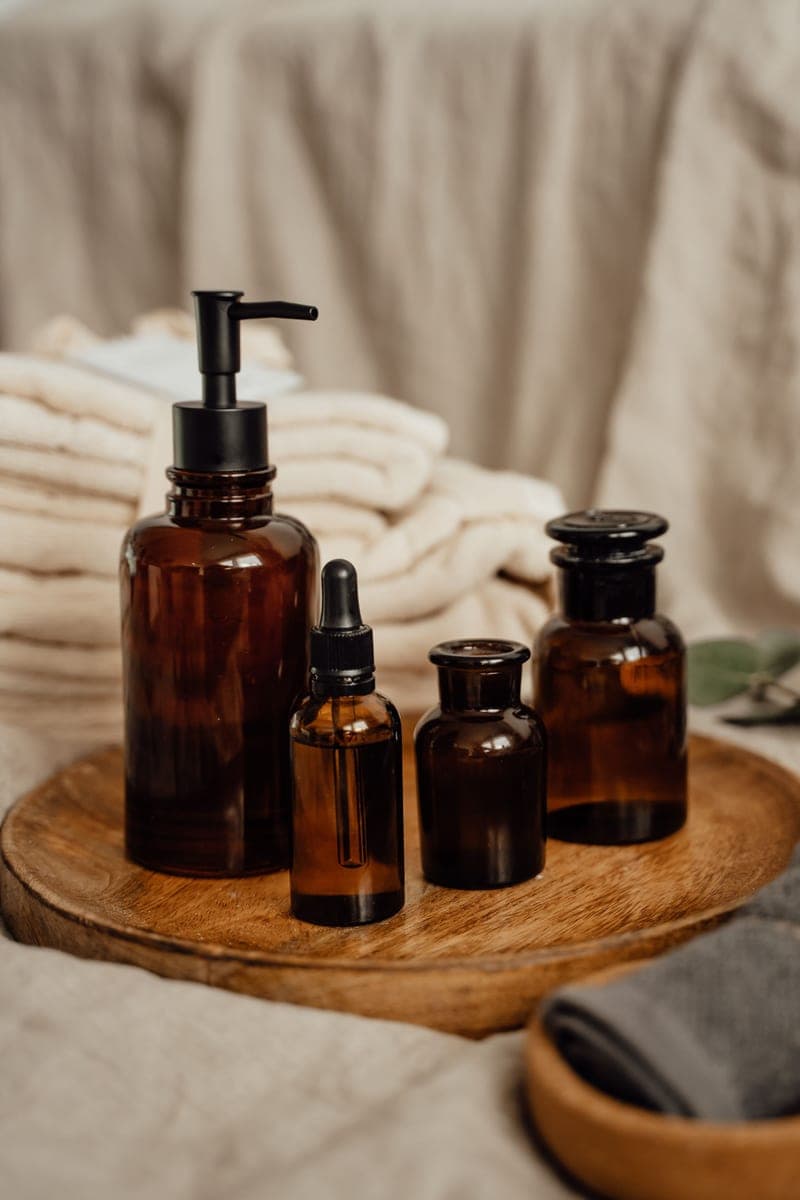
Sometimes - and the thing that decides it is which vitamin C you are holding, not how much of it is in there. Vitamin C is not one ingredient. It is a family, and the members behave so differently on reactive skin that treating them as interchangeable is the main reason people conclude vitamin C and rosacea do not mix.
The version in almost every serum sold on its potency is L-ascorbic acid, the pure form. It is also the least stable, which is why formulas have to hold it at a pH around 3 to 3.5 to keep it working. That acidity is the problem: a pH-3 serum on skin with a compromised barrier stings, and on rosacea-prone skin a stinging product is frequently a flaring product.
The forms, and which ones are worth trying
| On the label | Formulated pH | Tolerance on rosacea-prone skin | Potency |
|---|---|---|---|
| Ascorbic acid (L-ascorbic acid) | 3.0 to 3.5 | Poor - the one that stings | Highest, best evidenced |
| Magnesium ascorbyl phosphate | Near neutral | Good | Lower, less evidenced |
| Sodium ascorbyl phosphate | Near neutral | Good | Lower, less evidenced |
| Tetrahexyldecyl ascorbate | Near neutral, oil-soluble | Good | Moderate, in an oily base |
| Ascorbyl glucoside | Near neutral | Good | Lower, needs conversion in skin |
| 3-O-ethyl ascorbic acid | Mildly acidic | Mixed | Moderate |
Read that table as a trade rather than a ranking. The forms that are kind to a reactive face are the ones with weaker evidence behind them, because the research was largely done on L-ascorbic acid. Nobody can honestly tell you that a magnesium ascorbyl phosphate serum delivers what a well-formulated 15 percent L-ascorbic acid serum delivers - only that you are much more likely to be able to wear it.
What people actually want vitamin C for
Three things, in practice: brightening the brown post-inflammatory marks left behind by papules, some antioxidant protection alongside sunscreen, and a general anti-ageing effect through collagen support. Those are reasonable goals, and for the first two there are better-tolerated routes.
- Post-inflammatory marks. Azelaic acid is the better answer. It addresses pigment and the papules that caused it, and it is well tolerated by a lot of rosacea-prone skin - the products are at best azelaic acid products for rosacea.
- Antioxidant support. Useful, and smaller than sunscreen by a wide margin. If you are choosing one, choose the sunscreen - best mineral sunscreens for rosacea.
- Collagen and ageing. The evidence here is for L-ascorbic acid, which is the form you probably cannot wear. The realistic rosacea-and-ageing plan is at a skincare routine for rosacea and aging.
The picks, in order
1. True azelaic acid at the lowest price
The Ordinary Azelaic Acid Suspension 10%
Illustrative photo - not the product.
Actual azelaic acid at 10%, fragrance-free, for less than most cleansers cost. The silicone base gives it a grippy, primer-like feel that people either tolerate or hate - there is no middle.
What is in it
- Azelaic acid 10%
- Dimethicone
- Tocopherol
Best for
True azelaic acid at the lowest price
Strengths
- Real azelaic acid at 10%, not a derivative
- No fragrance or essential oils
- The cheapest way to try azelaic acid
- Works under makeup like a primer
Trade-offs
- The silicone texture pills under some sunscreens
- Can sting for the first week - that is expected and usually settles
Who should skip it: If silicone textures bother you, a derivative-based serum will feel much better on skin.
Ingredient list read at INCIDecoder - The Ordinary Azelaic Acid Suspension 10%.
2. Testing whether niacinamide suits you, cheaply
The Ordinary Niacinamide 10% + Zinc 1%
Illustrative photo - not the product.
Twelve ingredients, no fragrance, niacinamide at 10%. Ten percent is a high starting dose for reactive skin - if you are testing tolerance, a 4-5% product is the smarter first try.
What is in it
- Niacinamide 10%
- Zinc PCA 1%
Best for
Testing whether niacinamide suits you, cheaply
Strengths
- Twelve ingredients, no fragrance or essential oils
- Very low cost for a 30ml bottle
- Zinc PCA for oil control alongside
Trade-offs
- 10% is a high dose to start on if you have never used niacinamide
- The gum base can pill under some sunscreens
Who should skip it: If you have flushed from niacinamide before, skip it entirely - a high-percentage product is the worst place to retest.
Ingredient list read at INCIDecoder - The Ordinary Niacinamide 10% + Zinc 1%.
3. Centella at a concentration that is actually doing something
Purito Centella Unscented Serum
Illustrative photo - not the product.
Centella asiatica extract at 49%, plus the three isolated centella actives, in a fragrance-free base. Most centella products use a trace amount; this one does not. It also contains niacinamide.
What is in it
- Centella asiatica extract 49%
- Asiaticoside, asiatic acid, madecassic acid
- Ceramide NP
- Niacinamide
Best for
Centella at a concentration that is actually doing something
Strengths
- 49% centella extract plus asiaticoside, asiatic acid and madecassic acid
- Ceramide NP and sodium hyaluronate in the base
- No added fragrance - the 'unscented' in the name is accurate
- Light serum texture
Trade-offs
- Contains niacinamide
- A long ingredient list with several peptides and plant extracts
Who should skip it: If you are in the middle of a flare and stripping back to essentials, a 30-ingredient serum is the wrong move - come back to it when things are calm.
Ingredient list read at INCIDecoder - Purito Centella Unscented Serum.
If you want to try it anyway
- 1Pick a derivative, not L-ascorbic acid. Magnesium ascorbyl phosphate or tetrahexyldecyl ascorbate, at a near-neutral pH.
- 2Patch test for five days on one spot before it goes near your whole face - the method is at how to patch test.
- 3Start twice a week, on calm skin, never during a flare.
- 4Apply it over a moisturizer, not under one. Buffering reduces how much gets in and how fast, which is exactly what you want here.
- 5Stop at a burn that lasts more than a few minutes. A brief tingle is common. A sustained burn is your skin telling you the answer.
The one thing not to do is assume a low percentage makes L-ascorbic acid safe. A 5 percent L-ascorbic acid serum still has to be held at a low pH to stay stable, and the pH is what stings - the concentration is close to irrelevant to that part. The wider principle, and the full list of actives worth avoiding, is at active ingredients to avoid with rosacea.
Vitamin C and niacinamide in the same routine
The old warning that these two cancel each other out came from studies on raw ingredients at high temperature, not finished cosmetic formulas, and it does not hold up for products as sold. There is no good reason to keep them apart on that basis.
There is a different reason to be careful on rosacea-prone skin, though: niacinamide is itself a flushing trigger for a minority, so stacking two uncertain actives means you will not know which one caused a reaction. Introduce one at a time. The niacinamide picture is at is niacinamide good for rosacea.
The short version
- L-ascorbic acid: usually no. The low pH it needs to stay stable is the thing that stings.
- Stable derivatives: often yes, with a patch test and a slow start.
- For post-inflammatory marks, azelaic acid is better evidenced on this skin type.
- For antioxidant protection, sunscreen matters far more.
- Never during a flare, and never two new actives in the same fortnight.
How we chose
The pH and stability positions come from the published formulation literature on ascorbic acid and its derivatives; the trigger guidance from the National Rosacea Society. Product ingredient lists were read on each brand's own site and on INCIDecoder, with the source linked on every card. We do not rank a vitamin C serum because no form that clears our screen has evidence we are willing to stand behind. Method at how we choose.
Questions people ask
Can you use vitamin C with rosacea?
Sometimes, and the form decides it. L-ascorbic acid has to be formulated at a pH around 3 to stay stable, and that acidity stings rosacea-prone skin. Stable derivatives like magnesium ascorbyl phosphate sit near neutral pH and are tolerated far more often.
Which vitamin C is best for rosacea?
A near-neutral derivative - magnesium ascorbyl phosphate, sodium ascorbyl phosphate or tetrahexyldecyl ascorbate. They do less than L-ascorbic acid, which is the honest trade: lower potency in exchange for being wearable.
Why does vitamin C serum burn my face?
Almost always the pH rather than the vitamin C. L-ascorbic acid serums are held at pH 3 to 3.5 for stability, and that acidity is enough to burn skin with a compromised barrier. Lowering the percentage does not fix it, because the pH stays the same.
What can I use instead of vitamin C for rosacea?
Azelaic acid for post-inflammatory marks and papules, mineral sunscreen for the antioxidant and photoprotection goal, and centella or niacinamide for general calming - with the caveat that niacinamide flushes a minority of people.
Can I use vitamin C and niacinamide together?
Yes. The idea that they neutralise each other came from raw-ingredient studies at high temperature, not from finished products. The real caution on rosacea-prone skin is introducing two new actives at once, which leaves you unable to tell which caused a reaction.