Moisturizers & Barrier Repair
Best night creams for sensitive skin
Overnight is when a reactive face has the fewest excuses to react. Five creams that use the window properly.
By Michael W. · Last updated
The short answer
Eucerin Redness Relief Soothing Night Creme is the best night cream for sensitive skin that is also red: it is fragrance-free and built around licochalcone A, the one named redness active on this site, with parabens and benzyl alcohol as the trade-off. If you want the fewest variables instead of an active, Vanicream Moisturizing Skin Cream is eleven ingredients and nothing else, and Avene Tolerance Control is the fifteen-ingredient, preservative-free option for skin that reacts to almost everything.
Some links on this page are affiliate links. If you buy through one, we may earn a commission at no extra cost to you - it is what funds the site. It does not change what gets recommended or in what order. Full disclosure.
A night cream has one real advantage over a day cream, and it is not the ingredients. It is that nothing else is happening. No sunscreen on top, no makeup, no wind, no reapplication, no sweat. For skin that reacts to things, that is the calmest eight hours of the day, and the right product is the one that uses that window to seal water in and stay out of the way.
That is why the picks on this page are not elaborate. Three of the five are the same creams we would recommend in the morning, used in a thicker layer. The two that are specifically night products are here for a named active - licochalcone A - and for repair on the worst days of a flare. Nothing here is a different cream because the clock says it should be.
The screen
Every product on this page had to clear all of the following before it was considered on its merits. This is the exclusion step, and it runs before any recommendation.
- No added fragrance or parfum anywhere in the ingredient list.
- No essential oils, including ones declared under a botanical name.
- No denatured alcohol, witch hazel, menthol, camphor or peppermint.
- No physical scrub particles.
- Sold in the US right now, from a brand that publishes its full ingredient list.
- Every remaining flagged ingredient is named on the product card rather than quietly left out.
Ingredient lists last checked 2026-09-29. Formulas change - if you spot a discrepancy, the published list on the brand's own site wins and we want to know.
Quick picks
Every product here cleared the screen. Tap a row for the full write-up.
| # | Product | Best for | Fragrance | Price |
|---|---|---|---|---|
| 1 | 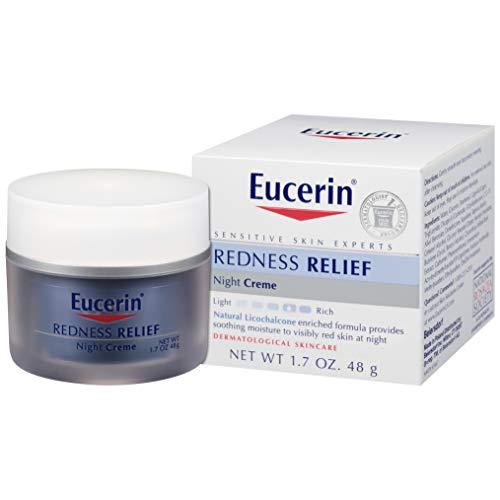 Eucerin Redness Relief Soothing Night Creme Fragrance-free and built around licochalcone A, the licorice-root flavonoid this range is known for. | Targeted redness work overnight | Free | |
| 2 | 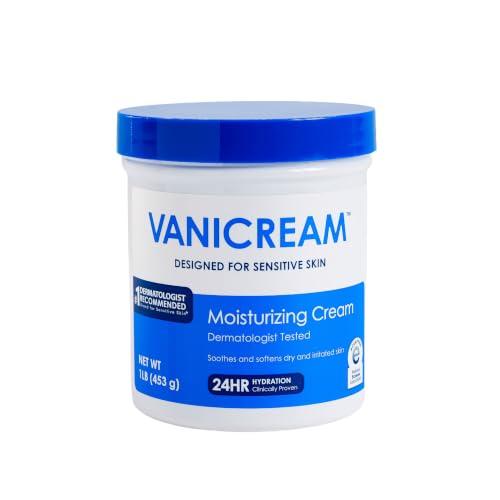 Vanicream Moisturizing Skin Cream Eleven ingredients, petrolatum second on the list, and no fragrance, essential oils or botanicals anywhere. | A barrier rebuild with nothing else in the way | Free | |
| 3 | 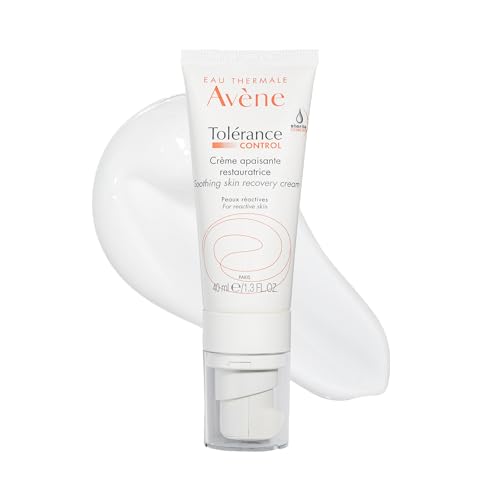 Avene Tolerance Control Soothing Skin Recovery Cream Fifteen ingredients, no fragrance, and no preservative in the ingredient declaration - it ships in a sterile pump instead. | Skin that reacts to almost everything, including preservatives | Free | |
| 4 | 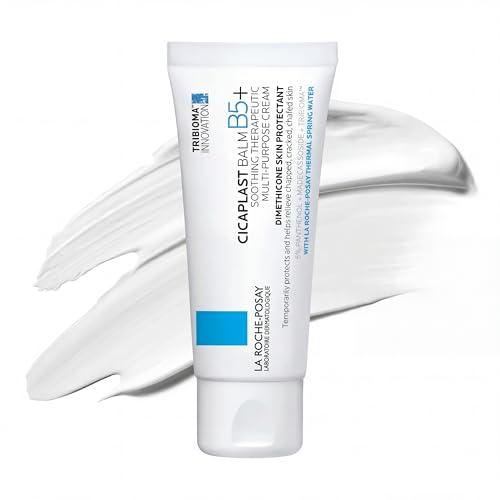 La Roche-Posay Cicaplast Baume B5 A thick fragrance-free balm with panthenol, madecassoside and shea butter. | A rescue balm for the worst two days of a flare | Free | |
| 5 | 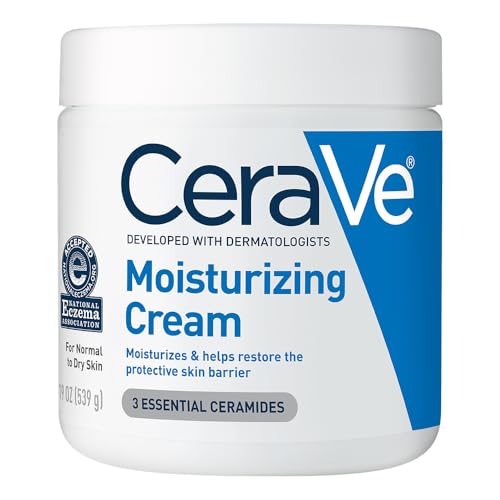 CeraVe Moisturizing Cream Three ceramides plus cholesterol and petrolatum, no fragrance, in a tub big enough to use on your body too. | Barrier repair on a budget | Free |
#ad - Amazon links are affiliate links. Prices come from the Amazon API, are refreshed daily, and disappear rather than go stale - the button shows the current number or it asks you to check.
What a night cream can and cannot do while you sleep
| Claim | What is actually happening | Worth paying for? |
|---|---|---|
| Seals water in overnight | Real - occlusives slow water loss through the skin | Yes |
| Repairs the barrier | Partly - ceramides, cholesterol and fatty acids are the raw materials; the skin does the work | Yes |
| Reduces visible redness | Only with a named active. Licochalcone A and azelaic acid have evidence; most night creams have neither | Only if the active is on the label |
| Works because skin repairs at night | Overstated. Barrier recovery is continuous; what changes overnight is that you stop interfering with it | No |
| Richer formula needed after dark | A format choice, not a biological one. Rich creams simply feel wrong under daytime sunscreen | No |
| Anti-ageing while you sleep | Depends entirely on the active - retinoids and peptides, not the night-cream label | Not from the label alone |
The fourth row is where the marketing does most of its work. The claim that skin repairs itself at night is true in the trivial sense that repair never stops, and the useful version of it is much more mundane: overnight is simply the longest stretch when you are not washing, rubbing, heating or layering anything onto your face. A plain occlusive gets most of the available benefit.
The picks, in order
1. Targeted redness work overnight
Eucerin Redness Relief Soothing Night Creme
Product photo from Amazon.
Fragrance-free and built around licochalcone A, the licorice-root flavonoid this range is known for. Two things to weigh: it contains parabens and benzyl alcohol, both of which some people avoid.
What is in it
- Licochalcone A (Glycyrrhiza inflata root extract)
- Panthenol
- Squalane
- Glycerin
Best for
Targeted redness work overnight
Strengths
- Licochalcone A, the actual active behind the range
- No added fragrance
- Panthenol and squalane for comfort
- Fragrance-free, dye-free and non-comedogenic on the label
Trade-offs
- Contains methylparaben and propylparaben
- Contains benzyl alcohol, which a minority find stinging
- Getting hard to find in the US - stock is thin and it is no longer a drugstore-priced cream
Who should skip it: If you avoid parabens or have reacted to benzyl alcohol, pick a different redness cream - this one contains both.
Ingredient list read at INCIDecoder - Eucerin Redness Relief Night Cream.
2. A barrier rebuild with nothing else in the way
Vanicream Moisturizing Skin Cream
Product photo from Amazon.
Eleven ingredients, petrolatum second on the list, and no fragrance, essential oils or botanicals anywhere. It is an occlusive that seals water in. It is not elegant and it is not trying to be.
What is in it
- Petrolatum
- Sorbitol
- Glyceryl Stearate
- Simethicone
Best for
A barrier rebuild with nothing else in the way
Strengths
- Eleven ingredients total
- Petrolatum-led - the most reliable occlusive there is
- No fragrance, essential oils or botanical extracts
- Sold in a large tub; cost per ounce is very low
Trade-offs
- Heavy and slightly waxy - it sits on skin rather than sinking in
- No soothing or barrier actives beyond the occlusion itself
Who should skip it: If you wear makeup daily or your skin is oily, this will feel like too much - use it at night only, or pick a lighter cream.
#ad How we are funded - price as of November 18, 2026
Ingredient list read at INCIDecoder - Vanicream Moisturizing Skin Cream.
3. Skin that reacts to almost everything, including preservatives
Avene Tolerance Control Soothing Skin Recovery Cream
Product photo from Amazon.
Fifteen ingredients, no fragrance, and no preservative in the ingredient declaration - it ships in a sterile pump instead. If you have reacted to preserved products, this is the one to try.
What is in it
- Avene thermal spring water
- Squalane
- Aquaphilus dolomiae extract filtrate
- Glycerin
Best for
Skin that reacts to almost everything, including preservatives
Strengths
- No preservative listed - sterile packaging does that job
- Fifteen ingredients, no fragrance, no essential oils
- Squalane and glycerin for comfort without heaviness
- The shortest list of any cream here after Vanicream
Trade-offs
- The most expensive per ounce of any pick on this page
- The sterile pump means you cannot scrape out the last of it
Who should skip it: If cost matters more than ingredient minimalism, the CeraVe or Vanicream creams do the barrier job for a fraction of the price.
#ad How we are funded - price as of November 18, 2026
Ingredient list read at INCIDecoder - Avene Tolerance Control Soothing Skin Recovery Cream.
4. A rescue balm for the worst two days of a flare
La Roche-Posay Cicaplast Baume B5
Product photo from Amazon.
A thick fragrance-free balm with panthenol, madecassoside and shea butter. This is a short-term repair layer for raw, stinging patches, not a daily moisturizer for the whole face.
What is in it
- Panthenol
- Madecassoside
- Shea butter
- Glycerin
Best for
A rescue balm for the worst two days of a flare
Strengths
- Panthenol and madecassoside - both well studied for irritated skin
- No added fragrance
- Thick enough to act as an overnight occlusive layer
- A small tube lasts a long time in spot use
Trade-offs
- Heavy and slightly tacky - not a daily all-over cream
- Contains chlorhexidine digluconate, which a small number of people react to
Who should skip it: If you want one cream for everyday use, this is not it - it is a targeted repair layer.
#ad How we are funded - price as of November 18, 2026
Ingredient list read at INCIDecoder - La Roche-Posay Cicaplast Baume B5.
5. Barrier repair on a budget
CeraVe Moisturizing Cream
Product photo from Amazon.
Three ceramides plus cholesterol and petrolatum, no fragrance, in a tub big enough to use on your body too. This is the cream most dermatology offices hand out, and the formula earns it.
What is in it
- Ceramide NP, AP and EOP
- Petrolatum
- Sodium Hyaluronate
- Cholesterol
Best for
Barrier repair on a budget
Strengths
- Ceramides NP, AP and EOP with cholesterol - a complete lipid set
- Petrolatum for occlusion plus hyaluronic acid for water
- No added fragrance
- Very low cost per ounce in the large tub
Trade-offs
- Thick - it needs warming between your palms in winter
- The tub invites fingers into the product; the pump version is more hygienic
Who should skip it: Oily or acne-prone skin may find the richness too much for daytime; use the lotion version instead.
#ad How we are funded - price as of November 18, 2026
Ingredient list read at INCIDecoder - CeraVe Moisturizing Cream.
What we screened out, and why
These are products you will find recommended elsewhere for this exact search. Each one is excluded here for a specific, checkable reason - not because it is a bad product, but because it does not clear the screen above.
Anything sold as a night cream with added fragrance
Fragrance is the most common contact allergen in cosmetics, and a night cream sits on skin for eight hours with no rinse step. If a product earns its place by being on your face longer, the case for a fragranced one gets weaker rather than stronger.
Retinol night creams marketed to sensitive skin
Retinol is the most common active in the night-cream aisle and the one most likely to set reactive skin off. It is not forbidden here, but it belongs in a deliberate, slow introduction rather than bundled into the cream you use every night - the method is on the retinol page.
Essential-oil-led night balms
Lavender, geranium and rose oils appear in night products specifically because of how they smell. An essential oil is fragrance declared under a botanical name, and the whole point of this screen is to keep it off an overnight layer.
Overnight masks with high alcohol content
Denatured alcohol high in the list gives a fast, light finish and a drying one. On a barrier that is already compromised, eight hours is a long time to be stripping it.
The full list of what we flag, what each ingredient is and where the evidence is genuinely mixed lives on ingredients to avoid with rosacea.
How to choose between these five
- 1Your main complaint is redness, and you accept parabens. Eucerin Redness Relief Soothing Night Creme. Licochalcone A is the only named redness active among these five. Read the full review at Eucerin Redness Relief review.
- 2You want the fewest possible variables. Vanicream Moisturizing Skin Cream. Eleven ingredients, petrolatum second, no botanicals and no actives to react to.
- 3You have reacted to preserved products before. Avene Tolerance Control. Fifteen ingredients and no preservative in the declaration, because the sterile pump does that job.
- 4Two patches are raw and stinging right now. La Roche-Posay Cicaplast Baume B5, used on those patches only rather than over the whole face.
- 5You want one tub for face and body at the lowest cost. CeraVe Moisturizing Cream. Three ceramides plus cholesterol and petrolatum, in a size that lasts months.
If more than one of those lines describes you, start with the plainest option. Eliminating variables is easier than adding them back, and a night cream is the single easiest product in a routine to test in isolation - you are not layering anything over it. The full ranking of fragrance-free creams for daytime use is at best fragrance-free moisturizers, and the ceramide-specific ranking is at best ceramide creams for rosacea.
How thick is thick enough?
- A pea-sized amount for the whole face is a day-cream dose. At night you can comfortably use two to three times that without it mattering how it looks.
- Apply to slightly damp skin. Straight after cleansing, before the water has fully gone. An occlusive works on the water that is already there; it does not add any.
- Pat, do not rub. Friction on inflamed skin is a trigger in itself. This is the one application rule that matters more than the product choice.
- Add a spot occlusive, not a thicker whole-face layer. If one area is raw, put the balm there and keep the ordinary cream everywhere else.
- Skip the eye-specific product. The skin around the eye takes the same cream as the rest of the face for most people - the case against buying a separate one is at do you need an eye cream with rosacea.
One more practical point about the night slot: it is the only place in a routine where a genuinely heavy, slightly waxy cream is no inconvenience at all. Nothing has to go on top of it, nobody sees it, and it does not need to behave under sunscreen. If you have been avoiding Vanicream or the CeraVe tub because they sit on the skin rather than sinking in, that objection disappears after dark - which is why the plainest creams on this site do their best work overnight. The format question, cream against lotion against ointment, is settled at cream vs lotion vs ointment for sensitive skin.
How we chose
Published ingredient lists read on each brand's own site and on INCIDecoder, with the source linked on every pick. Every product here is fragrance-free on its published INCI - no parfum, no masking fragrance and no essential oils - and every caveat we found is printed on the card rather than left out, including the parabens and benzyl alcohol in the Eucerin and the chlorhexidine digluconate in the Cicaplast. Prices are pulled from the Amazon API, refreshed daily and stamped with the date they were read - nothing on this page is a price we typed ourselves. Method at how we choose.
Questions people ask
What is the best night cream for sensitive skin?
Eucerin Redness Relief Soothing Night Creme, if your sensitive skin is also red - it is fragrance-free and built around licochalcone A, which is the only named redness active among our picks. If you want the fewest variables instead of an active, Vanicream Moisturizing Skin Cream is eleven ingredients with no botanicals at all.
Do you actually need a separate night cream?
No. For most people the right night product is the same fragrance-free cream they use in the morning, applied more generously. A separate purchase is only worth it for a named active you do not want in daylight, or for a richer texture that would not sit under sunscreen.
Can I use a night cream with rosacea?
Yes, as long as it is fragrance-free and does not contain an active you react to. The two ingredients to check for in this aisle are retinol and high-percentage niacinamide; both appear in creams marketed to sensitive skin and both flush some people with rosacea.
Should a night cream be thicker than a day cream?
It can be, and that is a convenience rather than a requirement. Nothing goes over a night cream, so a heavy, waxy occlusive that would ruin a daytime routine is perfectly comfortable after dark.
Is it better to apply night cream to damp skin?
Yes. Apply within a minute of cleansing while skin is still slightly damp. An occlusive slows water leaving the skin rather than adding any, so it works best over water that is already there.