Cleansers & Face Wash
Foaming vs cream cleansers for rosacea
Foam tells you about the surfactant, not about how clean your face is.
By Michael W. · Last updated
The short answer
Cream, for most rosacea-prone skin. Foam is produced by surfactants, and the surfactants that foam most are generally the ones that strip most. If you want some foam, look for coco-betaine or sodium cocoyl isethionate rather than sulfates.
Some links on this page are affiliate links. If you buy through one, we may earn a commission at no extra cost to you - it is what funds the site. It does not change what gets recommended or in what order. Full disclosure.
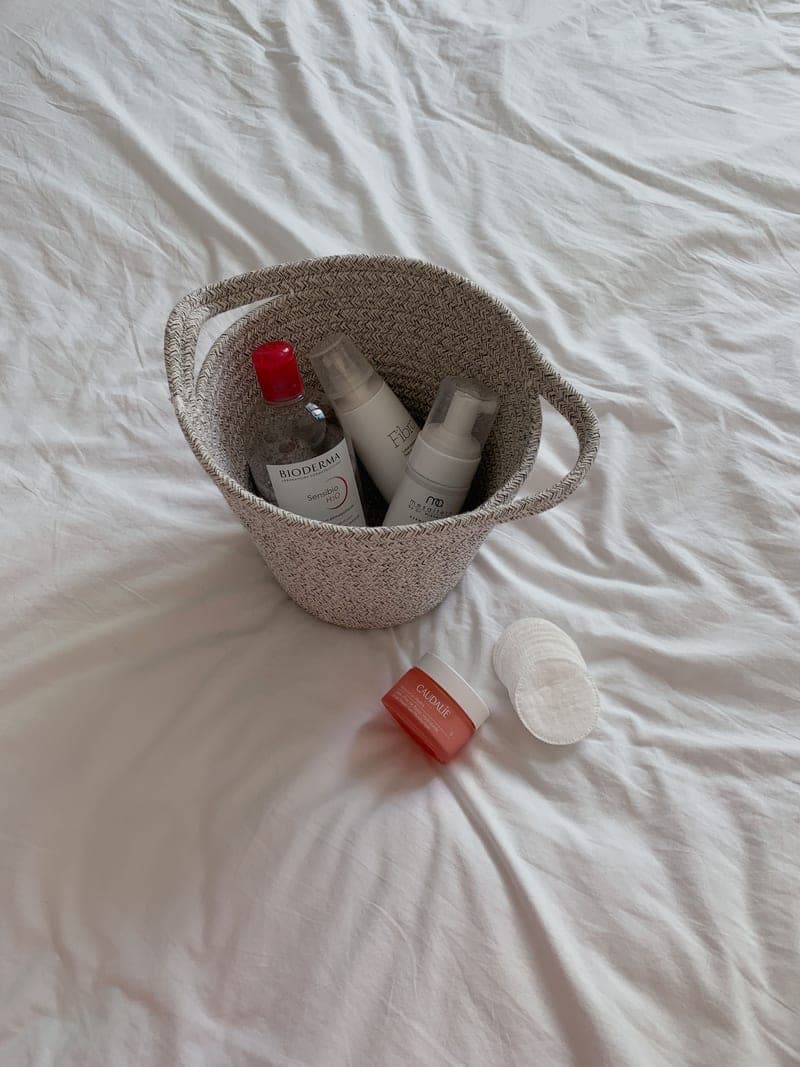
Foam is the most misleading signal in skincare. It feels like evidence that cleaning is happening, and it is not - it is a property of the surfactant, and the ones that foam most enthusiastically are usually the ones that remove the most lipid along with the dirt.
That does not make all foam bad. It makes foam a thing to interpret rather than a thing to want.
What each texture actually is
| Texture | How it cleans | Typical surfactants | Barrier cost |
|---|---|---|---|
| Cream / lotion | Emollients lift oil, then rinse | Coco-glucoside, sodium cocoyl glycinate, or none at all | Lowest |
| Cream-to-foam | Mild surfactants that aerate on contact | Coco-betaine, sodium cocoyl isethionate | Low to moderate |
| Gel / foaming | Surfactants emulsify oil | Often sulfates, sometimes milder amphoterics | Moderate to high |
| Bar soap | High-pH saponified fats | Sodium tallowate, sodium palmate | Highest - and the pH is the bigger problem |
The pH part, which matters more than the texture
Healthy skin surface sits mildly acidic. That acidity is not incidental - it supports the enzymes that assemble barrier lipids and it keeps the surface hostile to the wrong microbes. Traditional bar soap is strongly alkaline, and it takes hours for skin to recover its normal pH after it.
Syndet bars and modern liquid cleansers are usually pH-adjusted to be much closer to skin. So the actual hierarchy is not foam versus cream - it is alkaline soap at the bottom, and then everything else sorted by how aggressive its surfactants are.
When a little foam is the right answer
- You wear high-zinc mineral sunscreen daily and a pure cream cleanser is not removing it.
- Your skin runs oily through the T-zone and cream cleansers leave a film you dislike.
- You have rosacea alongside genuine acne and need sebum properly removed.
- You simply will not stick with a non-foaming cleanser. A cleanser you use beats one you abandon.
How to tell if your cleanser is too harsh
- 1Wash, pat dry, and then do nothing for five minutes. No moisturizer, no toner.
- 2Notice how your face feels at minute three. Tight, taut or itchy is the signal.
- 3If it stings before you have applied anything, the cleanser removed too much.
- 4Compare across a week. One bad day is weather; five is the product.
Comfortable and slightly damp is the target. Squeaky is not a clean face - it is a face with its surface lipids removed, and on rosacea-prone skin that is the state you spend the rest of the day recovering from.
The picks, in order
1. Dry, tight, over-washed skin
CeraVe Hydrating Facial Cleanser
Illustrative photo - not the product.
A non-foaming cream cleanser carrying three ceramides plus cholesterol - the lipid set your barrier actually uses. It leaves skin feeling comfortable rather than squeaky, which is the point.
What is in it
- Ceramide NP, AP and EOP
- Sodium Hyaluronate
- Cholesterol
- Phytosphingosine
Best for
Dry, tight, over-washed skin
Strengths
- Three ceramides (NP, AP, EOP) plus cholesterol and phytosphingosine
- No added fragrance
- Cleans without stripping - skin does not feel tight afterwards
- Available almost everywhere, in large sizes
Trade-offs
- Can leave a slight film on oilier skin
- Not a makeup remover on its own
Who should skip it: If your skin runs oily through the T-zone and you dislike any residue, a low-foam gel will suit you better.
Ingredient list read at CeraVe - Hydrating Facial Cleanser ingredients.
2. Combination skin that wants some foam
CeraVe Hydrating Cream-to-Foam Cleanser
Illustrative photo - not the product.
A cream that foams lightly on contact, with three ceramides and gentle surfactants. The trade against the plainer cleansers here is a much longer ingredient list - it also contains a small amount of salicylic acid.
What is in it
- Ceramide NP, AP and EOP
- Coco-betaine
- Sodium cocoyl isethionate
- Amino acids
Best for
Combination skin that wants some foam
Strengths
- Three ceramides with mild surfactants rather than sulfates
- No added fragrance
- The foam is light, so it cleans without the stripped feeling
- Removes sunscreen more readily than a pure cream cleanser
Trade-offs
- A very long ingredient list - more variables than a minimal cleanser
- Contains a small amount of salicylic acid
Who should skip it: If you are trying to isolate a trigger, this is the wrong cleanser to be using - too many ingredients to rule anything out.
Ingredient list read at INCIDecoder - CeraVe Hydrating Cream-to-Foam Cleanser.
3. The shortest ingredient list on the shelf
Vanicream Gentle Facial Cleanser
Illustrative photo - not the product.
Twelve ingredients, no fragrance, no essential oils, no botanical extracts. When skin is reacting and you cannot work out to what, this is the cleanser that removes the most variables at once.
What is in it
- Glycerin
- Coco-Glucoside
- Sodium Cocoyl Glycinate
Best for
The shortest ingredient list on the shelf
Strengths
- Twelve ingredients total - the shortest list of any cleanser here
- No fragrance, masking fragrance, essential oils or botanical extracts
- Non-foaming, gentle surfactants (coco-glucoside, sodium cocoyl glycinate)
- Widely stocked and inexpensive for the size
Trade-offs
- Does very little beyond cleaning - no ceramides, no soothing actives
- The lotion texture feels slippery to people used to a foaming wash
Who should skip it: If you wear heavy sunscreen or makeup and want one-step removal, this will not cut through it - double-cleanse or pick a balm.
Ingredient list read at INCIDecoder - Vanicream Gentle Facial Cleanser.
What about double-cleansing?
Two gentle passes are not harsher than one aggressive one. If a fragrance-free balm followed by a cream cleanser removes your sunscreen without scrubbing, that is a better evening than one round of a foaming wash and a washcloth. The cleansing balm page covers which balms clear the screen - most do not.
Questions people ask
Is foaming cleanser bad for rosacea?
Not automatically, but foam comes from surfactants and high-foam formulas usually use more aggressive ones. A cream cleanser is the safer default. A cream-to-foam built on coco-betaine or sodium cocoyl isethionate is a reasonable middle ground.
Does cleanser pH matter for rosacea?
Yes, and possibly more than texture. Skin's surface is mildly acidic, and that acidity supports barrier lipid production. Traditional alkaline bar soap disrupts it for hours. Most modern liquid cleansers are pH-adjusted closer to skin.
Is a cream cleanser enough to remove sunscreen?
Usually, but not always with a high-zinc mineral formula. If yours is not coming off, add a fragrance-free balm as a first step rather than scrubbing harder with the cleanser you have.
What does it mean if my face feels tight after cleansing?
Your cleanser removed more lipid than your skin could spare. That tight feeling is a barrier signal, not a cleanliness one. It is the most reliable everyday indicator that a cleanser is too harsh for you.
Can I use bar soap on my face with rosacea?
Traditional bar soap is strongly alkaline and best avoided. Modern syndet bars are pH-adjusted and much gentler - if you prefer a bar format, that is the type to look for.