Actives & Treatments
Do you need a serum with rosacea?
A serum is a texture, not a benefit. Buy one for the active in it or do not buy one.
By Michael W. · Last updated
The short answer
No, unless there is an active you specifically want to deliver. A serum is a thin, fast-absorbing carrier designed to put a high concentration of something onto skin before a moisturizer - it is a format, not a step with its own benefit, and a hydrating serum under a moisturizer is largely doing the moisturizer's job twice. With rosacea there are exactly three actives worth adding one for: azelaic acid, which has the best evidence; centella at a real concentration; and niacinamide, if it suits you. The Ordinary Azelaic Acid Suspension 10% is where to start, with Purito Centella Unscented Serum and The Ordinary Niacinamide 10% + Zinc 1% as the alternatives.
Some links on this page are affiliate links. If you buy through one, we may earn a commission at no extra cost to you - it is what funds the site. It does not change what gets recommended or in what order. Full disclosure.
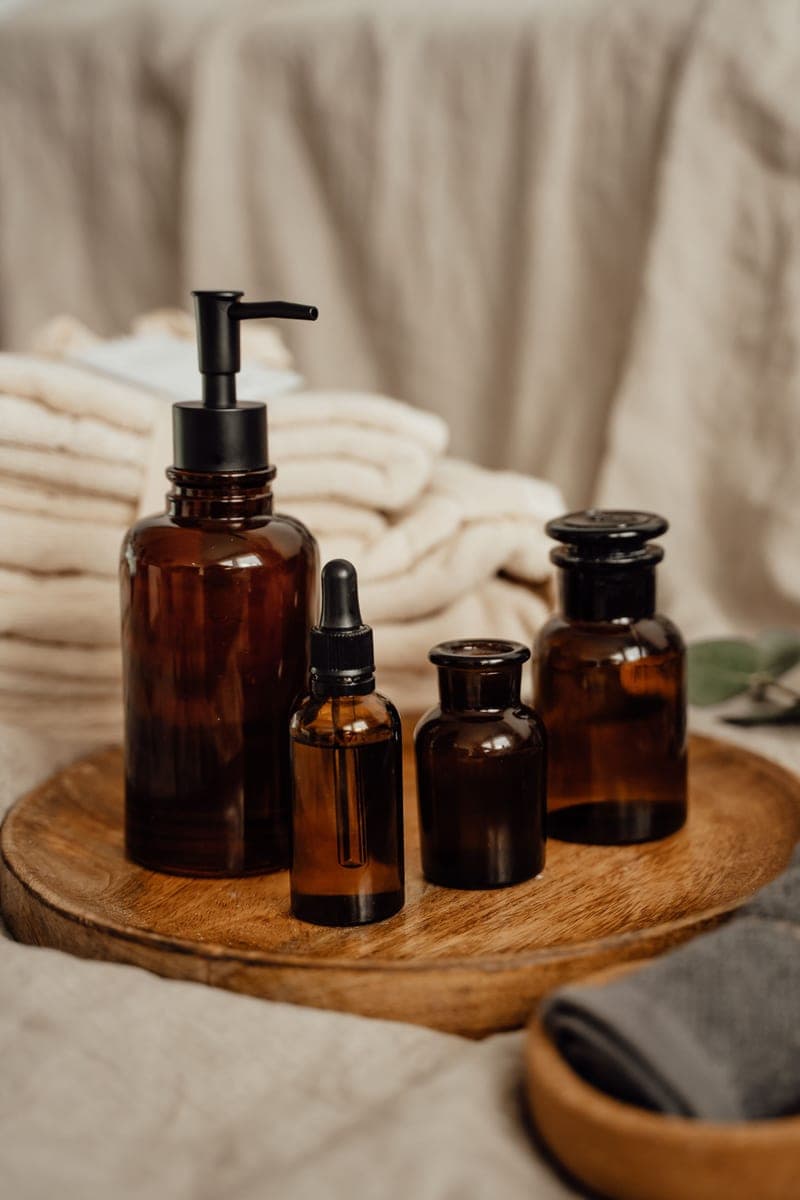
The serum step entered mainstream routines through marketing rather than through dermatology, and the word does not describe a function. It describes a texture: a low-viscosity, usually water-based or silicone-based carrier, applied before a moisturizer, formulated to hold a higher concentration of an active than a cream comfortably can. That is the whole definition. There is no biological requirement for a routine to contain one.
Which means the question is not whether you need a serum. It is whether there is an active you want on your face that is not already in your moisturizer. If the answer is no, adding a serum adds a variable, a cost and a layer that can pill under sunscreen, and gives you nothing. If the answer is yes, a serum is the right way to deliver it.
Which actives justify a serum, with rosacea
| Active | Evidence for rosacea | Serum worth it? |
|---|---|---|
| Azelaic acid 10% | The best-supported over-the-counter option for papules and redness | Yes - this is the main reason to own one |
| Centella asiatica at high concentration | Supportive literature for irritated skin; most products underdose it | Yes, if the concentration is real |
| Niacinamide | Barrier support, and a flushing trigger for a minority | Maybe - a two-way bet, start low |
| Hyaluronic acid | Humectant. Your moisturizer already contains it | No - this is the serum step at its most redundant |
| Vitamin C | Antioxidant, but low-pH L-ascorbic acid stings reactive skin | Rarely, and only a gentle derivative |
| Retinol | Real anti-ageing evidence, high irritation risk here | Only with a very slow introduction |
| Peptides, growth factors, exosomes | Thin evidence, high prices | No |
Row four is where most money in this category goes. Hyaluronic acid serums are the single most-bought product in the format, and on skin that is already using a moisturizer containing glycerin and sodium hyaluronate they are close to pure duplication - and on a dry day in a dry room, a bare humectant layer with nothing occlusive over it can leave skin feeling tighter than before. If you like the way one feels, that is a reason; needing it is not.
What a serum does to the rest of your routine
- It adds a layer, and layers pill. Silicone-based serums under mineral sunscreen are the most common pilling combination there is.
- It adds a variable. If your face stings on Thursday, a four-product routine gives you four suspects and a three-product routine gives you three.
- It extends the morning. Every layer needs sixty seconds before the next, which in practice is where routines break down.
- It can carry its own irritants. Denatured alcohol, low pH and high fragrance are all more common in serums than in plain moisturizers.
- It does not replace moisturizer. A serum is not occlusive. Applying one and stopping leaves water free to evaporate - the format differences are at cream vs lotion vs ointment for sensitive skin.
None of that is an argument against serums as such - it is an argument for having a reason. The one serum this site would put in most rosacea routines is azelaic acid, and it earns the slot because it is the only cosmetic active with meaningful published support against the actual symptoms. The full ranking is at best azelaic acid products for rosacea, and the broader category page is at best serums for rosacea.
The screen
Every product on this page had to clear all of the following before it was considered on its merits. This is the exclusion step, and it runs before any recommendation.
- No added fragrance or parfum anywhere in the ingredient list.
- No essential oils, including ones declared under a botanical name.
- No denatured alcohol, witch hazel, menthol, camphor or peppermint.
- No physical scrub particles.
- Sold in the US right now, from a brand that publishes its full ingredient list.
- Every remaining flagged ingredient is named on the product card rather than quietly left out.
Ingredient lists last checked 2026-09-29. Formulas change - if you spot a discrepancy, the published list on the brand's own site wins and we want to know.
Quick picks
Every product here cleared the screen. Tap a row for the full write-up.
| # | Product | Best for | Fragrance | Price |
|---|---|---|---|---|
| 1 | 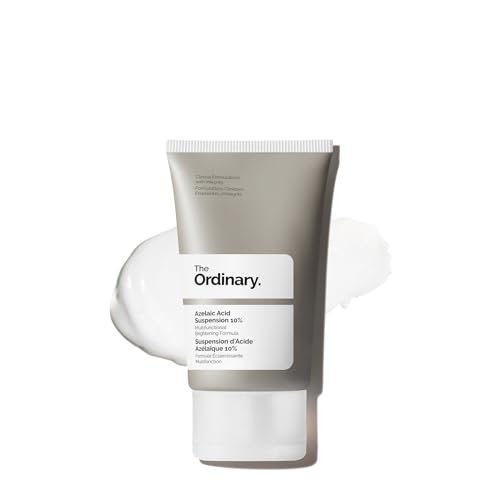 The Ordinary Azelaic Acid Suspension 10% Actual azelaic acid at 10%, fragrance-free, for less than most cleansers cost. | True azelaic acid at the lowest price | Free | |
| 2 | 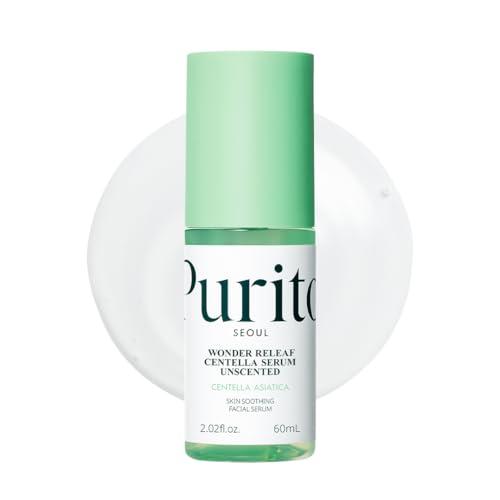 Purito Centella Unscented Serum Centella asiatica extract at 49%, plus the three isolated centella actives, in a fragrance-free base. | Centella at a concentration that is actually doing something | Free | |
| 3 | 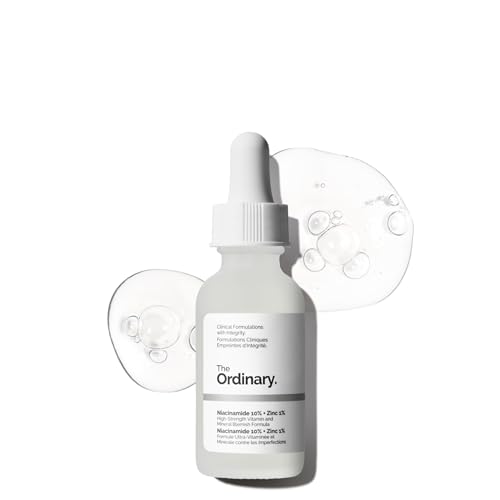 The Ordinary Niacinamide 10% + Zinc 1% Twelve ingredients, no fragrance, niacinamide at 10%. | Testing whether niacinamide suits you, cheaply | Free |
#ad - Amazon links are affiliate links. Prices come from the Amazon API, are refreshed daily, and disappear rather than go stale - the button shows the current number or it asks you to check.
The picks, in order
1. True azelaic acid at the lowest price
The Ordinary Azelaic Acid Suspension 10%
Product photo from Amazon.
Actual azelaic acid at 10%, fragrance-free, for less than most cleansers cost. The silicone base gives it a grippy, primer-like feel that people either tolerate or hate - there is no middle.
What is in it
- Azelaic acid 10%
- Dimethicone
- Tocopherol
Best for
True azelaic acid at the lowest price
Strengths
- Real azelaic acid at 10%, not a derivative
- No fragrance or essential oils
- The cheapest way to try azelaic acid
- Works under makeup like a primer
Trade-offs
- The silicone texture pills under some sunscreens
- Can sting for the first week - that is expected and usually settles
Who should skip it: If silicone textures bother you, a derivative-based serum will feel much better on skin.
#ad How we are funded - price as of November 18, 2026
Ingredient list read at INCIDecoder - The Ordinary Azelaic Acid Suspension 10%.
2. Centella at a concentration that is actually doing something
Purito Centella Unscented Serum
Product photo from Amazon.
Centella asiatica extract at 49%, plus the three isolated centella actives, in a fragrance-free base. Most centella products use a trace amount; this one does not. It also contains niacinamide.
What is in it
- Centella asiatica extract 49%
- Asiaticoside, asiatic acid, madecassic acid
- Ceramide NP
- Niacinamide
Best for
Centella at a concentration that is actually doing something
Strengths
- 49% centella extract plus asiaticoside, asiatic acid and madecassic acid
- Ceramide NP and sodium hyaluronate in the base
- No added fragrance - the 'unscented' in the name is accurate
- Light serum texture
Trade-offs
- Contains niacinamide
- A long ingredient list with several peptides and plant extracts
Who should skip it: If you are in the middle of a flare and stripping back to essentials, a 30-ingredient serum is the wrong move - come back to it when things are calm.
#ad How we are funded - price as of November 18, 2026
Ingredient list read at INCIDecoder - Purito Centella Unscented Serum.
3. Testing whether niacinamide suits you, cheaply
The Ordinary Niacinamide 10% + Zinc 1%
Product photo from Amazon.
Twelve ingredients, no fragrance, niacinamide at 10%. Ten percent is a high starting dose for reactive skin - if you are testing tolerance, a 4-5% product is the smarter first try.
What is in it
- Niacinamide 10%
- Zinc PCA 1%
Best for
Testing whether niacinamide suits you, cheaply
Strengths
- Twelve ingredients, no fragrance or essential oils
- Very low cost for a 30ml bottle
- Zinc PCA for oil control alongside
Trade-offs
- 10% is a high dose to start on if you have never used niacinamide
- The gum base can pill under some sunscreens
Who should skip it: If you have flushed from niacinamide before, skip it entirely - a high-percentage product is the worst place to retest.
#ad How we are funded - price as of November 18, 2026
Ingredient list read at INCIDecoder - The Ordinary Niacinamide 10% + Zinc 1%.
How to add one without regretting it
- 1Have a stable base routine first. Cleanser, moisturizer, sunscreen, calm for two weeks. A serum added to an unstable routine tells you nothing.
- 2Pick the one active you have a reason for. For papules and background redness, azelaic acid. Do not buy the other two at the same time.
- 3Patch test for two days, then use it every other night for two weeks before going daily. The method is at how to patch test.
- 4Apply to dry skin, after cleansing, before moisturizer. Thin layer, pat rather than rub, and wait a full minute before the next step.
- 5Keep sunscreen non-negotiable. Acids and actives raise photosensitivity, and UV is already the most reported trigger - dose guidance at how much sunscreen to use on your face.
- 6Give it eight weeks before judging it. Four weeks is too early for azelaic acid and two weeks is the phase where it may look worse.
If after all of that the honest answer is that there is no active you want, then the correct routine has three products in it and you have saved yourself a step and the cost of a bottle. That is a legitimate outcome rather than a failure to optimise, and it is the outcome for a lot of people with rosacea whose skin is calm on a plain fragrance-free base. The minimal version is at beginner rosacea routine.
What about the hydrating serum your skin seems to like?
Keep using it if you want to. Nothing here says a hyaluronic acid or glycerin serum is harmful, and a thin watery layer under a cream is pleasant on skin that feels tight. The point of this page is narrower than that: it is that the hydrating serum is not doing anything your moisturizer could not do with a slightly richer formula, so it should not be treated as a required step or priced as a treatment.
The one caveat worth knowing is the dry-climate one. A humectant pulls water towards the surface, and in very low humidity with no occlusive layer over it, that water leaves - which is the mechanism behind the common complaint that a hyaluronic acid serum made someone's skin drier. Always put a moisturizer over it, never instead of it. The verdict on hyaluronic acid specifically is at can you use hyaluronic acid with rosacea. The step above the serum in most routines is even more skippable, and the case for deleting it is at do you need a toner with rosacea.
How we chose
Published ingredient lists read on each brand's own site and on INCIDecoder, with the source linked on every pick, screened for added fragrance, masking fragrance, essential oils and the flagged ingredients on our avoid list. Evidence claims are limited to actives with published support and we say so where the evidence is thin rather than filling the gap - the peptide and exosome row above is an example, and the peptide serums that clear our screen are ranked at best peptide serums for sensitive skin. Prices are pulled from the Amazon API, refreshed daily and stamped with the date they were read. Method at how we choose.
Questions people ask
Do you need a serum if you have rosacea?
Only if there is an active you want to deliver. A serum is a thin carrier format rather than a routine step with its own benefit, and the only three actives worth adding one for here are azelaic acid, high-concentration centella and - if it suits you - niacinamide.
Which serum is best for rosacea?
An azelaic acid serum. The Ordinary Azelaic Acid Suspension 10% is the cheapest way to get the real acid, and azelaic acid is the only over-the-counter active with meaningful published support against papules and background redness.
Is a hyaluronic acid serum necessary?
No. Your moisturizer almost certainly already contains glycerin and sodium hyaluronate. A bare humectant layer with nothing occlusive over it can even leave skin feeling tighter in dry conditions.
Can a serum replace moisturizer?
No. Serums are not occlusive, so they do not slow water leaving the skin. Always apply a moisturizer over a serum rather than instead of one.
Can I use two serums at once with rosacea?
Not when you are introducing them. Add one active, wait four to eight weeks, then consider another - otherwise a reaction or an improvement cannot be attributed to anything.