Routines & Flare Care
Eczema and sensitive skin
One is a condition, the other is a description. The routine they share is shorter than either aisle suggests.
By Michael W. · Last updated
The short answer
Eczema and sensitive skin are not the same thing - eczema is a diagnosed inflammatory condition, sensitive skin is how skin behaves - but they want almost the same routine: lukewarm short washes with a non-foaming fragrance-free cleanser, a lipid-rich cream applied within four minutes of getting out of the water, and an occlusive on the worst patches. CeraVe Moisturizing Cream is the everyday choice, Vanicream Moisturizing Skin Cream is the fewest-variables option, and La Roche-Posay Cicaplast Baume B5 is for the raw spots.
Some links on this page are affiliate links. If you buy through one, we may earn a commission at no extra cost to you - it is what funds the site. It does not change what gets recommended or in what order. Full disclosure.
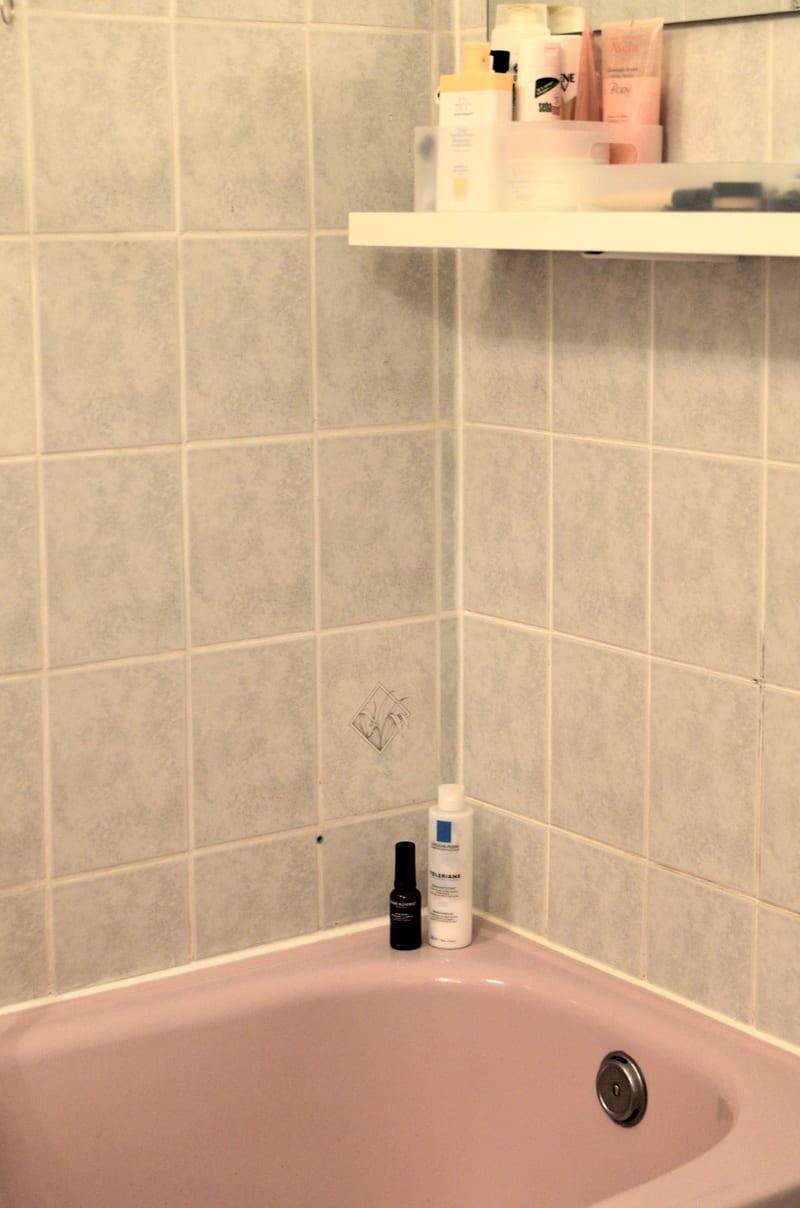
Eczema and sensitive skin get used as one phrase so often that the difference has largely dissolved, and it is worth putting back. Eczema - atopic dermatitis in its commonest form - is a diagnosed inflammatory condition with a genetic component, a characteristic distribution and real treatments. Sensitive skin is not a diagnosis at all. It is a description of how skin behaves: it stings, it reddens, it reacts to products other people use without incident.
People end up searching for both at once because the two overlap heavily in practice. Eczema-prone skin is almost always reactive, the barrier is compromised in both cases, and the products that help are substantially the same. So this page does two things: it draws the line where it matters clinically, and then gets on with the routine, because the routine is the part you can act on tonight. If what you want is the shortlist rather than the routine, it is at best creams for red, itchy skin.
Where they overlap, and where they do not
| Eczema (atopic dermatitis) | Sensitive skin | |
|---|---|---|
| What it is | A diagnosed inflammatory skin condition | A description of how skin reacts, not a condition |
| Leading symptom | Itch, often intense, with dry scaly patches | Stinging, burning or tightness on contact |
| Where it appears | Flexures, hands, face, often widespread on the body | Wherever a product was applied |
| Barrier status | Impaired, with a genetic component in atopic eczema | Usually impaired, cause varies |
| Prescription treatment | Yes - topical steroids and non-steroid options exist | No - there is nothing to prescribe for a description |
| Responds to a bland routine | Yes, as the foundation alongside treatment | Yes, and often that is the whole answer |
| What makes it worse | Dryness, heat, sweat, allergens, soap, scratching | Fragrance, alcohol, actives, friction, over-washing |
There is a third possibility worth naming, because this site exists for it: facial redness that burns rather than itches and stays in the center of the face is more likely rosacea than eczema, and the two want different treatment. The distinguishing questions are set out at rosacea vs eczema, and the earlier question - whether you have anything at all beyond reactive skin - is at sensitive skin vs rosacea.
The one thing that matters most: soak and seal
If you take a single practice from this page, take this one. The National Eczema Association's standing advice for dry, eczema-prone skin is soak and seal: a short lukewarm bath or shower, any prescribed topical applied to the affected areas, and moisturizer over the rest while the skin is still slightly damp. The NEA puts the moisturizing window at within four minutes of getting out of the water.
The reason it works is unglamorous. A moisturizer with an occlusive in it does not add water to skin, it slows the water already there from leaving. Applied to dry skin it has very little to seal. Applied to damp skin it traps a layer that would otherwise evaporate over the following hour. The difference between those two timings is larger than the difference between most of the creams you could choose.
The routine
- 1Shower or bathe once a day, lukewarm, and keep it short. Heat feels good on an itch and makes the dryness worse afterwards. Five to ten minutes is plenty.
- 2Wash with a non-foaming, fragrance-free cleanser and only where you actually need to. Arms, legs and torso rarely need a surfactant daily; armpits, groin and feet do.
- 3Pat dry, do not rub. Leave the skin slightly damp rather than bone dry. Friction on a flare is its own trigger.
- 4Apply any prescribed topical to the affected patches first, if a clinician has given you one, and follow their instructions on amount and frequency.
- 5Then moisturize everything else within four minutes, while skin is still damp. Use more than feels reasonable - most people under-apply a body cream by a wide margin.
- 6Put an occlusive over the worst patches at night. This is where a petrolatum-led cream or a repair balm earns its place.
- 7Re-moisturize hands after every wash, and anywhere else that starts to feel tight during the day. Moisturizing is not a twice-daily ritual, it is a response to a signal.
- 8Keep nails short. Scratching damages the barrier faster than any product repairs it, and the itch-scratch cycle is the thing most worth interrupting.
That is the whole routine. There is no toner step, no serum step and no active. If your skin is both eczema-prone and reactive, every additional product is another variable and the barrier is the only thing you are trying to fix.
The picks, in order
1. Barrier repair on a budget
CeraVe Moisturizing Cream
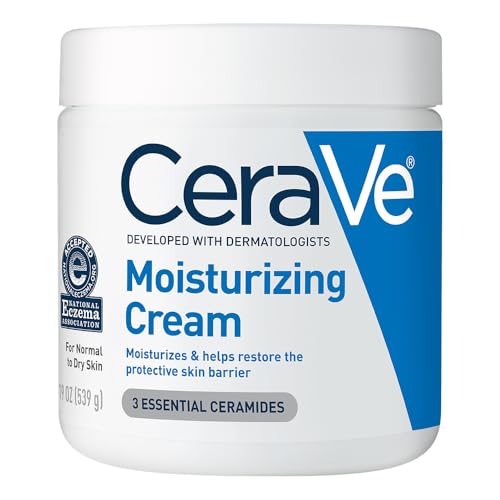
Product photo from Amazon.
Three ceramides plus cholesterol and petrolatum, no fragrance, in a tub big enough to use on your body too. This is the cream most dermatology offices hand out, and the formula earns it.
What is in it
- Ceramide NP, AP and EOP
- Petrolatum
- Sodium Hyaluronate
- Cholesterol
Best for
Barrier repair on a budget
Strengths
- Ceramides NP, AP and EOP with cholesterol - a complete lipid set
- Petrolatum for occlusion plus hyaluronic acid for water
- No added fragrance
- Very low cost per ounce in the large tub
Trade-offs
- Thick - it needs warming between your palms in winter
- The tub invites fingers into the product; the pump version is more hygienic
Who should skip it: Oily or acne-prone skin may find the richness too much for daytime; use the lotion version instead.
#ad How we are funded - price as of November 18, 2026
Ingredient list read at INCIDecoder - CeraVe Moisturizing Cream.
2. A barrier rebuild with nothing else in the way
Vanicream Moisturizing Skin Cream
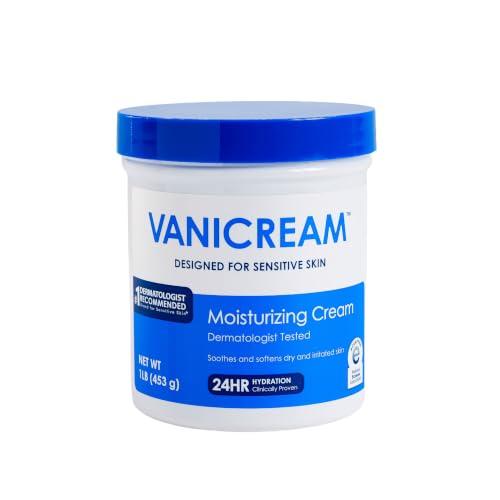
Product photo from Amazon.
Eleven ingredients, petrolatum second on the list, and no fragrance, essential oils or botanicals anywhere. It is an occlusive that seals water in. It is not elegant and it is not trying to be.
What is in it
- Petrolatum
- Sorbitol
- Glyceryl Stearate
- Simethicone
Best for
A barrier rebuild with nothing else in the way
Strengths
- Eleven ingredients total
- Petrolatum-led - the most reliable occlusive there is
- No fragrance, essential oils or botanical extracts
- Sold in a large tub; cost per ounce is very low
Trade-offs
- Heavy and slightly waxy - it sits on skin rather than sinking in
- No soothing or barrier actives beyond the occlusion itself
Who should skip it: If you wear makeup daily or your skin is oily, this will feel like too much - use it at night only, or pick a lighter cream.
#ad How we are funded - price as of November 18, 2026
Ingredient list read at INCIDecoder - Vanicream Moisturizing Skin Cream.
3. A rescue balm for the worst two days of a flare
La Roche-Posay Cicaplast Baume B5
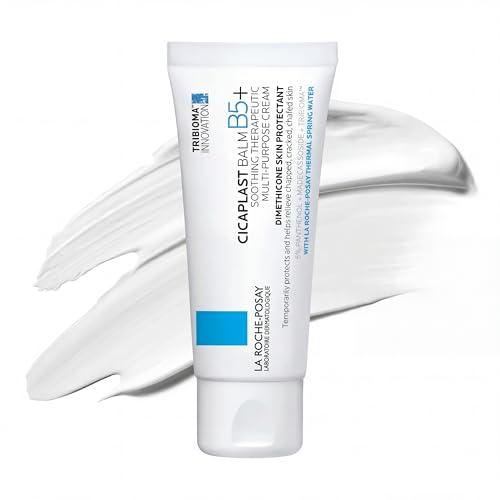
Product photo from Amazon.
A thick fragrance-free balm with panthenol, madecassoside and shea butter. This is a short-term repair layer for raw, stinging patches, not a daily moisturizer for the whole face.
What is in it
- Panthenol
- Madecassoside
- Shea butter
- Glycerin
Best for
A rescue balm for the worst two days of a flare
Strengths
- Panthenol and madecassoside - both well studied for irritated skin
- No added fragrance
- Thick enough to act as an overnight occlusive layer
- A small tube lasts a long time in spot use
Trade-offs
- Heavy and slightly tacky - not a daily all-over cream
- Contains chlorhexidine digluconate, which a small number of people react to
Who should skip it: If you want one cream for everyday use, this is not it - it is a targeted repair layer.
#ad How we are funded - price as of November 18, 2026
Ingredient list read at INCIDecoder - La Roche-Posay Cicaplast Baume B5.
4. Very dry, eczema-prone body skin
La Roche-Posay Lipikar AP+ Gentle Moisturizing Body Wash
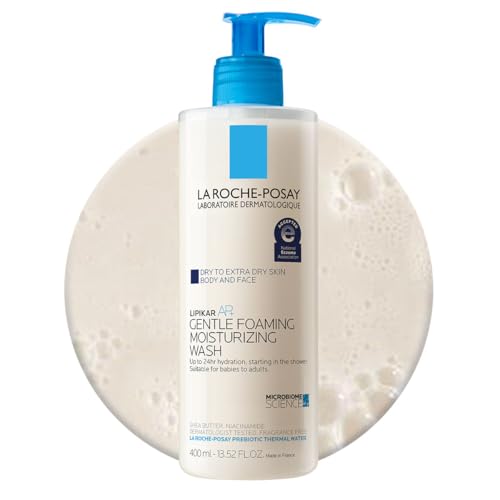
Product photo from Amazon.
Twenty ingredients, no fragrance and no essential oils, with shea butter and glycerin carrying the comfort. One thing to know before you buy: it contains niacinamide, which helps most people and flushes a minority.
What is in it
- Glycerin
- Shea butter
- Niacinamide
- Vitreoscilla ferment
Best for
Very dry, eczema-prone body skin
Strengths
- No fragrance, masking fragrance or essential oils on the published list
- Shea butter and glycerin, so it cleans without stripping
- The brand states it is accepted by the National Eczema Association
- Foams properly, which makes it easy to use on a whole body
Trade-offs
- Sodium laureth sulfate is third on the list - the harshest surfactant in this lineup
- Contains niacinamide, a genuine flushing trigger for a minority of people with rosacea
- Costs noticeably more per ounce than the drugstore picks
Who should skip it: Anyone who has flushed from niacinamide before. Your own history beats any general recommendation, and there are four niacinamide-free options on this page.
#ad How we are funded - price as of November 18, 2026
Ingredient list read at INCIDecoder - La Roche-Posay Lipikar Wash AP+.
5. Elimination mode - the shortest list on this page
Vanicream Liquid Cleanser (formerly Free & Clear)
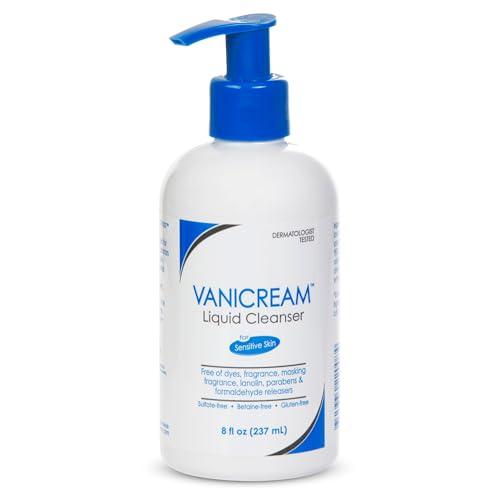
Product photo from Amazon.
Eleven ingredients. No fragrance, no masking fragrance, no lanolin, no dye and no sulfates. When you are trying to work out what your skin is reacting to, nothing sold for face or body removes more variables at once.
What is in it
- Glycerin
- Sodium lauroamphoacetate
- Sodium lauroyl sarcosinate
- Potassium sorbate
Best for
Elimination mode - the shortest list on this page
Strengths
- Eleven ingredients total - the shortest list in this roundup
- Free of fragrance, masking fragrance, lanolin, dyes and sulfates
- Works on face and body, so it replaces two products during an elimination period
- Sold in a large refill size
Trade-offs
- A thin liquid rather than a shower gel - a whole body gets through a lot of it
- No emollients at all, so dry skin needs a body moisturizer immediately after
- Harder to find on a supermarket shelf than the drugstore picks
Who should skip it: If your skin is calm and you simply want something pleasant to shower with, this is more austerity than the situation calls for.
Ingredient list read at INCIDecoder - Free & Clear Liquid Cleanser for Sensitive Skin.
What to screen out of the bathroom
Passes the screen
Flagged
The flagged column is not a list of poisons, it is a list of things that are reliably unhelpful on a compromised barrier. Fragrance leads it because it is the most common contact allergen in cosmetics and because it is the one ingredient added purely for how a product seems rather than what it does. The full reasoning is at ingredients to avoid with rosacea, which applies almost unchanged to eczema-prone skin, and the labeling trap is at fragrance-free vs unscented.
The steroid caveat, which matters if there is any chance it is rosacea
Topical steroids are a standard eczema treatment and they work. They also appear on the National Rosacea Society's trigger list under drugs: they can appear to help facial redness in the short term and worsen it over time, with a rebound pattern when you stop. That asymmetry is the practical reason the eczema-or-rosacea question is worth settling before anyone puts a steroid on a red face.
Nothing on this site is a reason to stop a prescription. If a clinician has prescribed a topical steroid, the person to raise this with is that clinician - not an article. What we would avoid is reaching for a leftover tube, or an over-the-counter hydrocortisone, on facial redness that has never been looked at. Where the over-the-counter line sits is at over-the-counter vs prescription rosacea treatment.
The NEA Seal, and how to use it
The National Eczema Association runs a Seal of Acceptance program with a searchable directory of accepted products, filterable by category, ingredient preference and age group. It is a useful shortlist and it works the same way the rosacea equivalent does: a brand applies and participates, so the absence of a product from the list means a brand did not submit it rather than that a product failed.
We have deliberately not labeled any product on this page as NEA-accepted. Seal status is checked per product and per formulation, it changes, and the authoritative answer is the NEA's own directory rather than ours - the link is in the sources below. The same logic applied to the rosacea seal is at the NRS Seal of Acceptance, explained.
What each product in the routine is for
| Slot | What it has to do | Our pick |
|---|---|---|
| Face cleanser | Remove the day without foaming or stripping | Vanicream Liquid Cleanser |
| Body wash | Clean the places that need it, nowhere else | La Roche-Posay Lipikar AP+ Body Wash |
| Everyday cream | Replace lipids - ceramides, cholesterol, fatty acids | CeraVe Moisturizing Cream |
| Fewest variables | Seal water in with almost nothing else in the formula | Vanicream Moisturizing Skin Cream |
| Raw patches | Repair a specific damaged area, not the whole face | La Roche-Posay Cicaplast Baume B5 |
| Daily SPF | Mineral filters, no fragrance, no sting | See the eczema sunscreen shortlist |
Sunscreen is the one slot this page does not try to fill, because the requirements are narrow enough to deserve their own screen - mineral filters, no fragrance, and a base that does not sting on broken skin. The shortlist is at best sunscreens for eczema-prone skin.
What to do when it flares anyway
- 1Stop everything optional. Actives, exfoliants, masks, anything new in the last fortnight. Cleanser, cream, SPF, nothing else.
- 2Drop to one wash a day, lukewarm, and skip the surfactant anywhere that is not visibly dirty.
- 3Moisturize more often rather than more heavily - four light applications beat one thick one, because the barrier is losing water continuously.
- 4Put the occlusive on at night over the worst areas, and leave it alone.
- 5Do not patch test anything new until it has settled. A patch test on inflamed skin tells you nothing - the method is at how to patch test.
- 6Book the appointment if it is not improving in a week, or sooner if it is weeping, crusting or spreading.
If the flare is on your face and burns rather than itches, treat the flare-calming sequence for redness as the better fit: it is at how to calm a rosacea flare-up.
How we built this
The routine follows the published bathing and moisturizing guidance from the National Eczema Association, including the four-minute moisturizing window, and the trigger caution on topical steroids comes from the National Rosacea Society's own trigger list. Product selection is our own, made by reading each published ingredient list and screening for added fragrance, masking fragrance, essential oils and the ingredients on our avoid list. We have no testing lab, we ran no trial, and we make no first-hand-use claim. The method is at how we choose.
Questions people ask
Is eczema the same as sensitive skin?
No. Eczema is a diagnosed inflammatory condition with real treatments; sensitive skin is a description of how skin behaves and is not a diagnosis. They overlap because eczema-prone skin is nearly always reactive, and the basic bland fragrance-free routine suits both - but only one of them has a prescription pathway.
What is the soak and seal method?
A short lukewarm bath or shower, any prescribed topical applied to the affected patches, then moisturizer over everything else while the skin is still slightly damp. The National Eczema Association puts the moisturizing window at within four minutes of getting out of the water, because an occlusive seals in the water that is already there rather than adding any.
Can you have eczema and rosacea at the same time?
Yes, and a fair number of people do. It matters because the treatments diverge: topical steroids are standard for eczema and appear on the National Rosacea Society's trigger list, so the same tube can help one condition and worsen the other. That is a conversation for a clinician who can see both.
What should I wash with if I have eczema and sensitive skin?
A non-foaming, fragrance-free cleanser, used lukewarm and briefly, and only on the areas that actually need a surfactant. Foaming sulfate body washes and antibacterial soaps are the two things most worth removing from the shower.
How often should I moisturize?
At minimum right after bathing and after every hand wash, and then whenever skin starts to feel tight or itchy. Treat it as a response to a signal rather than a twice-daily ritual - more frequent light applications work better than one heavy one.
Is colloidal oatmeal worth looking for?
It is a reasonable soothing ingredient with a long history in eczema care and it appears in plenty of fragrance-free formulas, so if a product you like contains it, good. It is not a reason to choose a fragranced product over a plain one, and it is not doing the lipid-replacement work that ceramides and petrolatum do.
Should I avoid all actives?
While skin is flaring, yes - the whole point of the routine is to reduce variables. Between flares, a single gentle active introduced slowly is possible, but eczema-prone skin has less tolerance for it than most, and nothing on an actives shelf treats eczema.
Do I need products with the National Eczema Association seal?
Not necessarily. The seal is a voluntary program a brand applies to participate in, so a product's absence means it was not submitted rather than that it failed. Use the NEA's searchable directory as a shortlist, then read the ingredient list yourself.